



Category
Lifestyle
Assisted Choices
Artisan and high-end foods are being created with leftovers.


Trend
Luxe Leftover: Brands that offer artisan packaged foods, as well as higher-end dishes, are incorporating leftover ingredients into their products in order to reduce the amount of waste in the food industry. This shift caters to eco-conscious consumers, and offers an easily identifiable selling point for brands to leverage when marketing such products.
Trend themes
Brands are using leftover ingredients and food scraps to create high-end foods, and specialty dishes.
Brands are making products that incorporate food byproducts such as juice pulp or soybean fiber, that typically go to waste.
Consumers and brands are actively seeking ways to increase awareness and conversation about food waste and repurposing of discarded food materials.
Industry implications
Brands can focus on using sustainable ingredients and reducing food waste in their products and packaging.
Hotels, restaurants, and stadiums can adopt a food waste policy and donate excess food to the less fortunate.
Brands can create functional foods by incorporating nutrient-dense food scraps or byproducts into their products.
Workshop question
Trend signals
Trend score 4.5 out of 10, from popularity 69%, activity 58%, freshness 9%.
Evidence
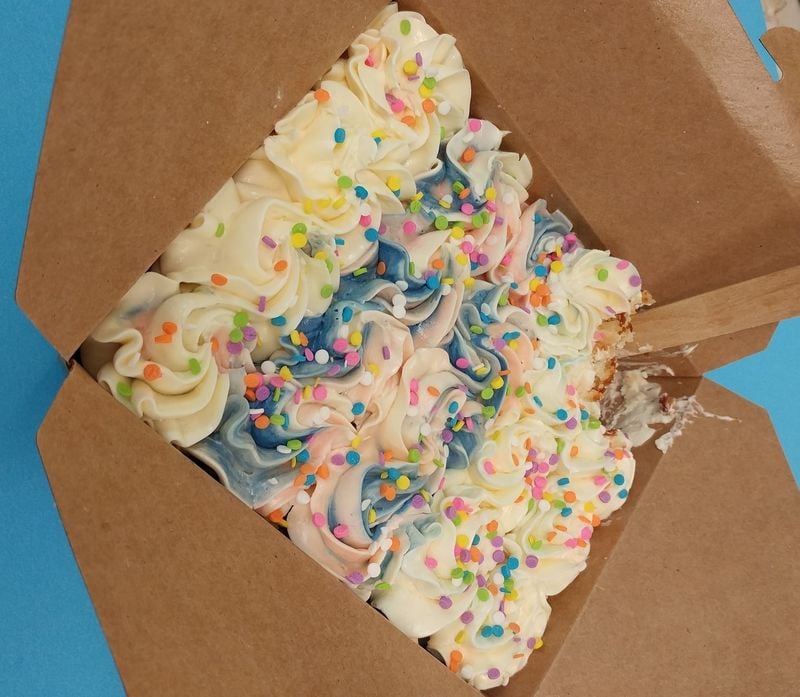
Milk & Cookies Bakeshop Sells 'Cake Scraps in a Sad Box'
Bakeries can explore innovative ways to reduce food waste while still creating delicious treats
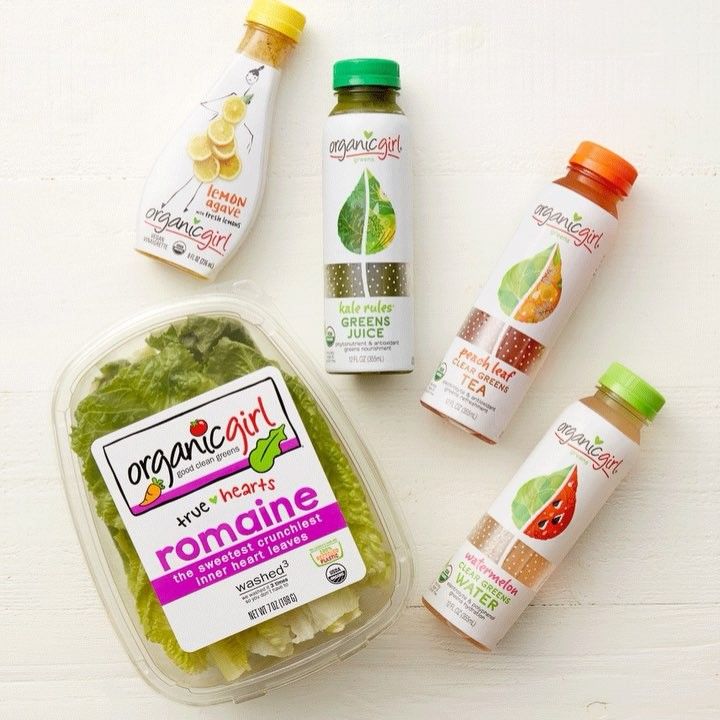
Packaged Salad Producer Organicgirl's Drinks Include Leftover Lettuce
The food and beverage industry has several opportunities to incorporate healthy and sustainable ingredients in their products and promote environmental sustainability.
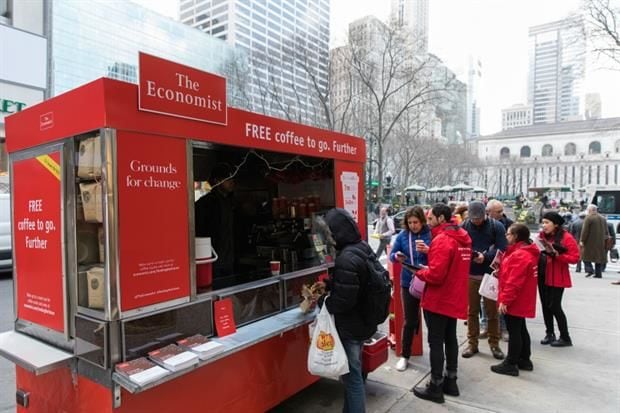
For #FeedingTheFuture, The Economist Shared Coffee Made with Used Grounds
Coffee industry can explore new uses for coffee grounds and implement sustainable practices to reduce waste.
Hellmann's Diverted Grocery Store Food Waste to Feed an Entire Stadium
The food and beverage industry can find opportunities in repurposing ingredients to create sustainable and zero-waste products.
Pressed Juicery and Mendocino Farms Make Vegetable Patties from Juice Pulp
Innovative companies can capitalize on the rising interest in upcycled food and plant-based options to cater to conscious consumer preferences.
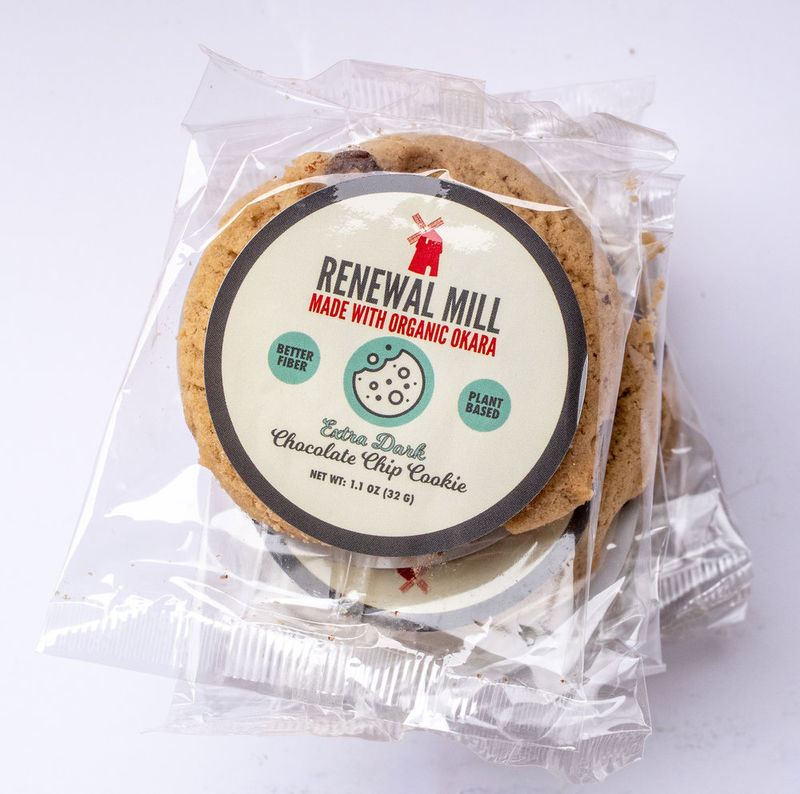
Renewal Mill's Chocolate Chip Cookies Use Okara Flour Made with Soybean Pulp
Companies within the food and snack industry have the opportunity to integrate sustainable and eco-friendly practices and ingredients into their products while tackling the issue…
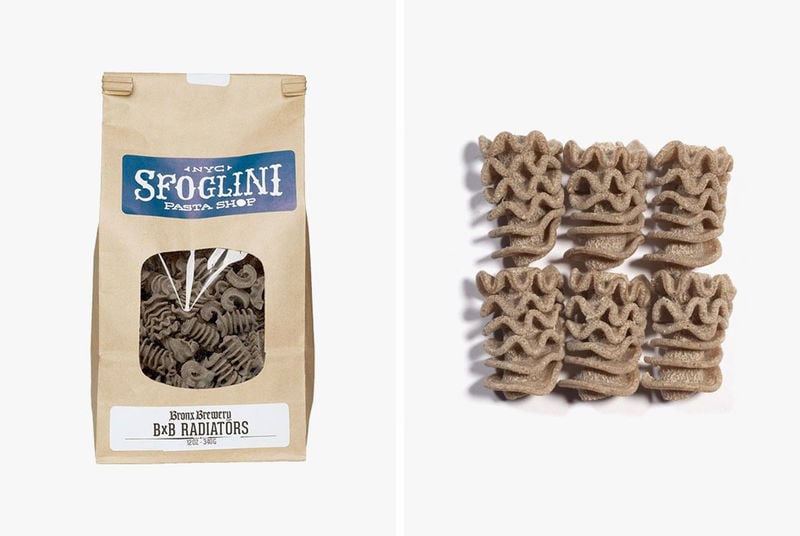
The Sfoglini BxB Radiators Flavored Pasta is Nutty and Hearty
The food and beverage industry can embrace specialty pastas and collaborate with other brands to create unique products that cater to the evolving tastes of consumers.

The Thin Mints Cake is Made Using Pre-Packaged Girl Scout Biscuits
Incorporating new flavors and textures into desserts.






