Category
Business
Category Mashups
Stores leverage technology to help consumers find and learn about products.
Trend
Retail Tech Directory: To improve brick-and-mortar retail, brands are implementing advanced technologies like store map apps and navigation tablets. Giving shoppers the power to browse and direct themselves through a store using technology satisfies the consumer desire for quick and easy in-store shopping experiences. Simplifying the consumer’s path to purchase improves omnichannel retail by reinforcing the seamlessness of today's retail landscape.
Trend themes
Advanced technologies like store map apps and navigation tablets help shoppers quickly and easily navigate through a store, thus improving their overall in-store shopping experience.
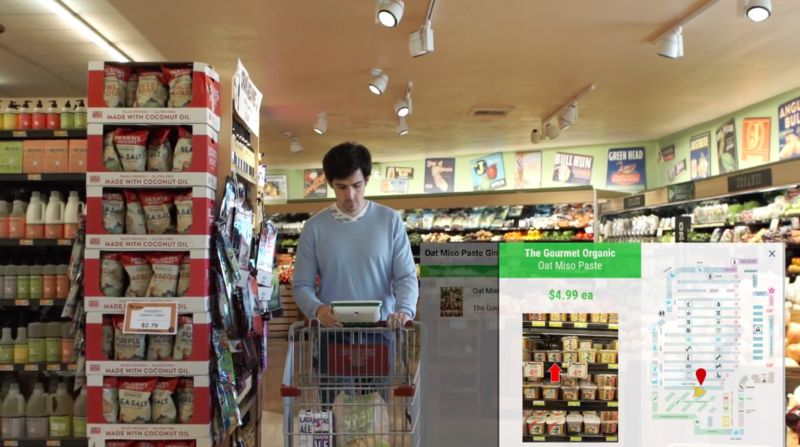
Innovative shopping carts and personal shopping assistants powered by AI and facial recognition technology help consumers find products more efficiently, increase basket size, and create an authentic connection with shoppers.
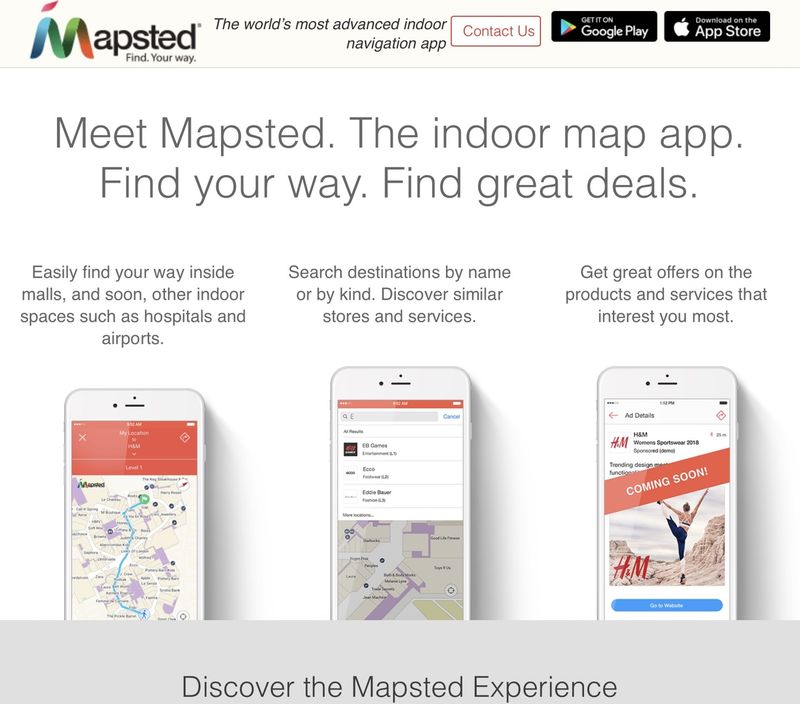
Indoor mapping technology like 'Mapsted' has become the norm for many users, helping them navigate through indoor spaces like malls and stores--providing a faster and more positive shopping experience.
Industry implications
Smart navigation solutions and personal shopping assistants will be a game-changer for retailers looking to create a more seamless and customer-friendly in-store shopping experience.
The development of advanced AI and facial recognition technology for retail environments opens up new opportunities for technological innovation within the industry.
Personalized deals delivered via digital navigation technology create disruptive innovation opportunities for consumer goods companies looking to drive sales and optimize the in-store shopping experience.
Workshop question
Trend signals
Trend score 2.4 out of 10, from popularity 45%, activity 19%, freshness 8%.
Evidence
Focal Systems' Grocery Cart Tech Assists Consumers with AI
Retailers can leverage smart shopping cart technology to enhance the shopping experience and optimize sales.
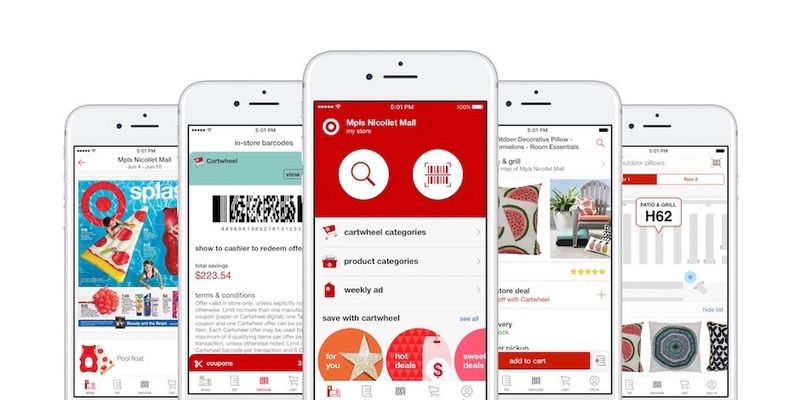
Target's App Will Direct a Shopper to a Product Via an Indoor Map
The retail industry can benefit from adopting in-store navigation apps to provide a more convenient and efficient shopping experience for customers.
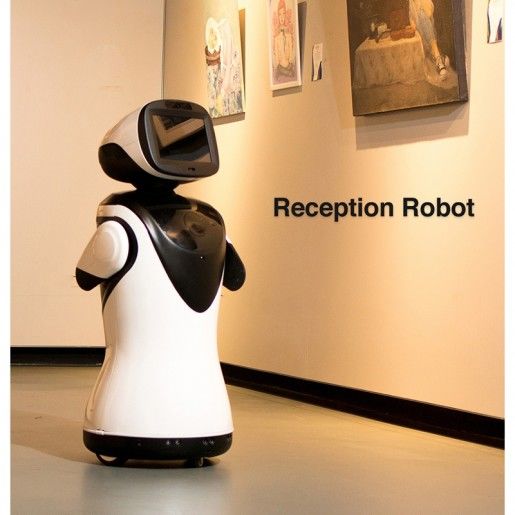
The 'PadBot P3' Greets Customers and Provides Specialized Offers
Retail businesses can use interactive robots to engage with their customers and improve the shopping experience while gathering data.
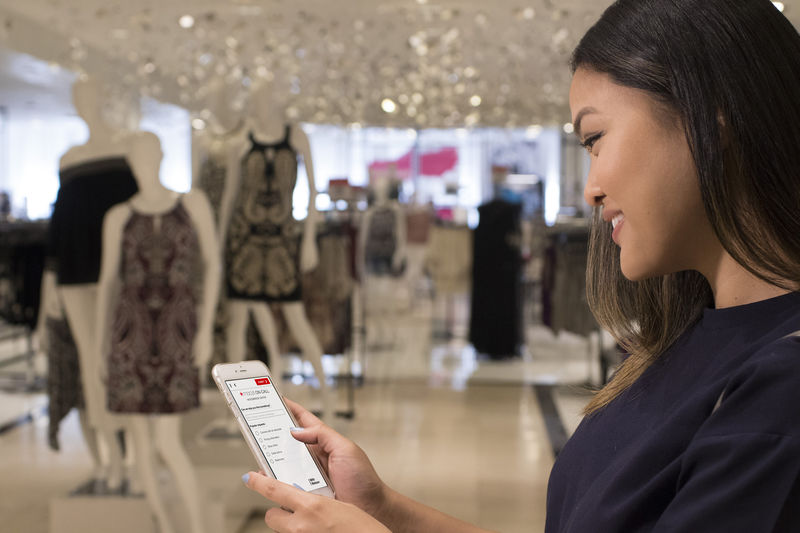
'Macy's on Call' Helps Shoppers Navigate Their Local Stores
Retails businesses can utilize AI technology such as voice assistants and smart search tools to offer a personalized shopping experience for their customers
'Mapsted' Offers Advanced Navigation in Malls, Stores and Beyond
Retail industry can leverage indoor navigational solutions to improve customer experience, drive sales, and deliver personalized offers.