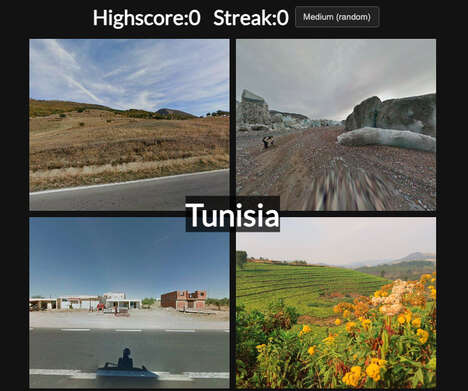
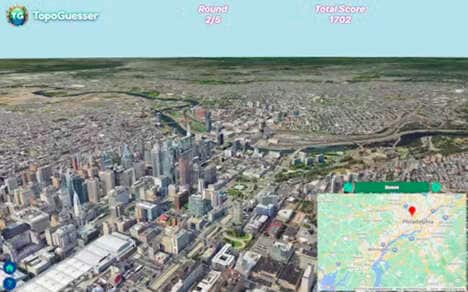
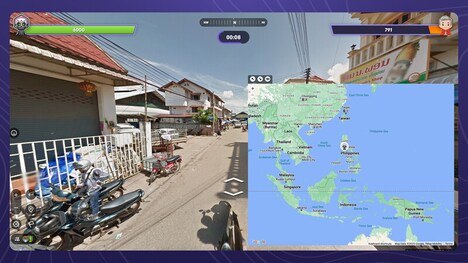
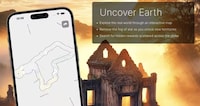
Now that most people have smartphones, GPS and mapping apps make it unlikely to find oneself in an unfamiliar city without any bearings, but 'Wayward Wanderer' is a game that makes use of that selfsame mapping technology to bring back some of that lost thrill. The app uses Google Maps Street View to virtually place users in a random city, and it tasks them with finding their way to a destination using nothing but intuition.
Wayward Wanderer has varying levels of difficulty. First, users can pick whether their destination point is a famous landmark or a completely random address. Then, they can select easy, medium, or hard, with each level representing an increased radius from that final point.https://waywardwanderergame.com/?ref=producthunt
Key Themes Behind This Trend
- Location-based Gaming
- Wayward Wanderer demonstrates the potential for location-based games that utilize mapping technology to create immersive experiences.
- Intuitive Navigation
- The game highlights the opportunity to develop innovative navigation systems that rely on users' intuition rather than traditional GPS directions.
- Randomized Exploration
- The app taps into the trend of embracing randomness and serendipity in gaming by placing users in unfamiliar cities and challenging them to find their way.
Where This Applies
- Gaming
- The gaming industry can explore new opportunities for location-based, intuitive gameplay experiences like Wayward Wanderer.
- Navigation Technology
- The navigation technology industry can take inspiration from Wayward Wanderer to develop more intuitive and immersive solutions for users to navigate cities and destinations.
- Travel and Tourism
- The travel and tourism industry can leverage the idea behind Wayward Wanderer to offer unique and interactive ways for tourists to explore unfamiliar cities and landmarks.