Category
Lifestyle
Assisted Choices
Companies show transparency in their failures to humanize their brand.


Trend
Brand Deprecation: In the social media age, consumers have become more skeptical of big brands than ever. What they respond best to is transparency, an extreme form of which is self-deprecation and acknowledgement of failures. This speaks to the value of failure and the humanization that directly battles mistrust of brands.
Trend themes
As consumers become increasingly skeptical of big brands, companies are responding through transparency and acknowledgement of mistakes and failures.
Brands are using self-mocking humor in their advertising as a way to humanize themselves and build credibility.
Direct-to-consumer business models allow for increased transparency in pricing and offer customers honest and fair prices.
Industry implications
The trend of brand transparency and self-mocking humor is disrupting traditional advertising techniques and requiring new creative approaches.
Direct-to-consumer business models are disrupting traditional retail models and allowing for increased transparency and honesty in pricing.
Lingerie and jewelry brands are using transparency in pricing and messaging to build trust and credibility with their customers.
Workshop question
Trend signals
Trend score 4.6 out of 10, from popularity 73%, activity 57%, freshness 8%.
Evidence
Pillowbook Aims to Empower Women While Embracing Openness
Disruptive innovation opportunity in the lingerie industry by embracing new design aesthetics and empowering messaging.
Starling Jewelry Uses a Direct-to-Consumer Model for Transparent Pricing
The jewelry industry can benefit from adopting a direct-to-consumer model and offering transparent pricing, disrupting traditional business practices and gaining consumer trust.
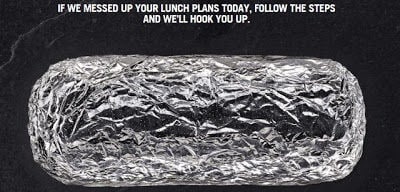
This Chain is Giving Out Free Burritos in Lieu of Restaurant Closures
Finding innovative ways to address food safety concerns and rebuild customer loyalty in the fast casual dining industry.
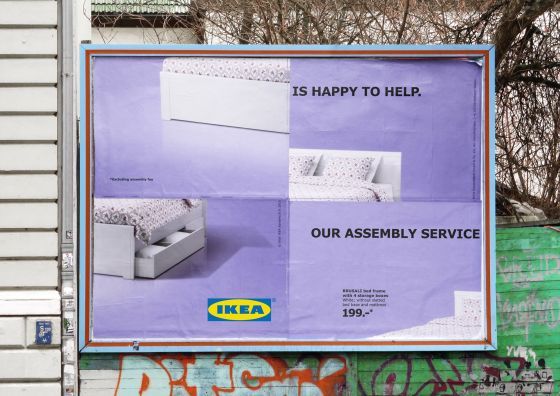
The IKEA Assembly Fail Billboards Riff on Its Own Reputation
Furniture companies can use self-deprecating ads to showcase their brand identity and showcase a humor side while providing assembly service options and solutions for customers.
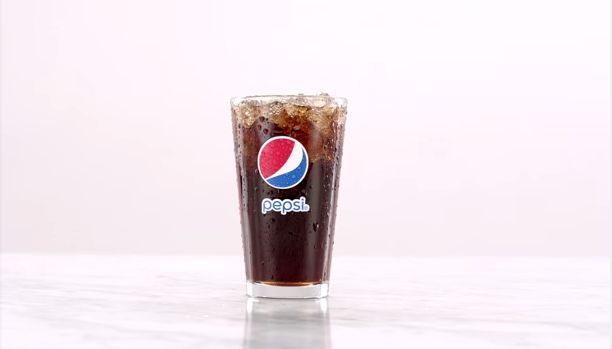
The Arby's We Have Pepsi Campaign Admits the Company Messed Up
Fast food chains can take note of Arby's campaign and use similar tactics to build brand loyalty and engage with customers on social media platforms.
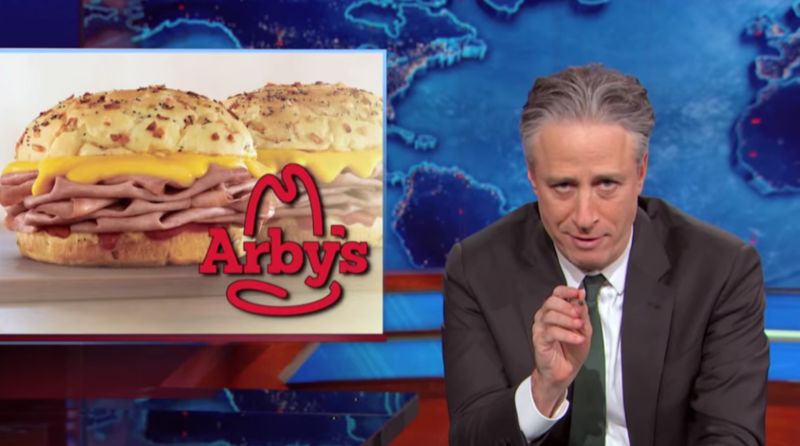
Arby's Pays Tribute to Jon Stewart's Last Daily Show with a Fun Video
Fast food chains can take advantage of tribute videos and humor to engage with customers and strengthen brand loyalty.

IKEA Malaysia Promotes Its Upcoming Sale with Various IKEA Puns
Disruptive innovation opportunities in creating unique and memorable advertisements.
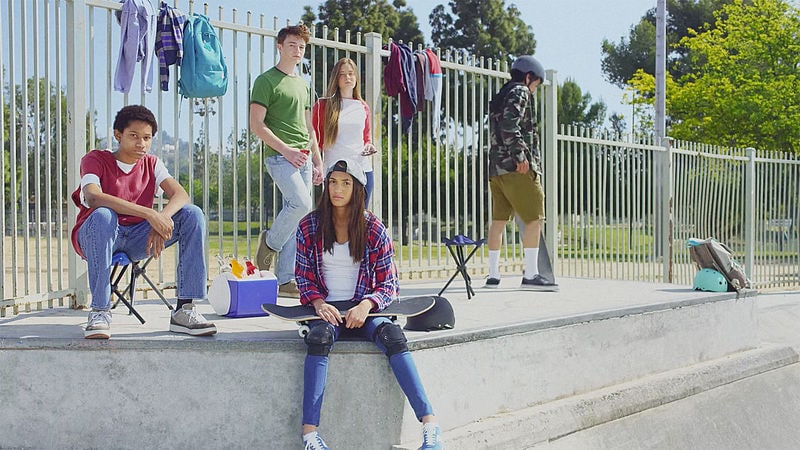
Clearasil Creates an Ad that Admits "We Know Acne, We Don't Know Teens"
Skincare brands can disrupt the market by creating honest advertisements and emphasizing product efficacy.