Category
Lifestyle
Assisted Choices
Brand events leverage VR as an alternative to traditional entertainment.



Trend
Virtual Event: Replacing traditional forms of event entertainment, brands have begun incorporating virtual and augmented reality experiences into consumer-facing soirees in order to offer singular, personal experiences. Such experiences provide a means for brands to engage consumers in a way that is grounded in play. This progression speaks to the power of digitally enriched experiences and the role of exclusivity marketing, given that the experience is hard to replicate for those not there.
Trend themes
Brands are incorporating virtual and augmented reality experiences into their events for more personalized and exclusive experiences.
Virtual reality technology is becoming an effective way for brands to interact with customers and build their brand presence.
Virtual reality technology is transforming auditory and visual experiences of music and theatre into immersive experiences.
Industry implications
The event planning and entertainment industry can benefit from incorporating virtual and augmented reality experiences into their events.
The use of virtual reality in interactive experiential marketing can provide more thorough and engaging insights on consumer behavior.
Virtual reality technology can transform the audience experience in music, theatre, and gaming industries.
Workshop question
Trend signals
Trend score 4.4 out of 10, from popularity 65%, activity 59%, freshness 8%.
Evidence
SlotsMillion is Creating Virtual Gambling Experiences with Oculus Rift
The online gambling industry can embrace virtual reality technologies to enhance user experiences and attract a new generation of players, leading to increased market competitiven…
YouVisit's VR Tours Bring Russia's Mercedez Benz Fashion Week to the World
Disruptive innovation opportunity: Adopting virtual fashion shows as a way to showcase collections and reach a wider audience, transcending physical limitations.
The Lion King is Now Available for Viewing Through Virtual Reality
Theater industry can leverage VR technology to capture and share immersive experiences of their shows, attracting a wider audience and creating additional revenue streams.
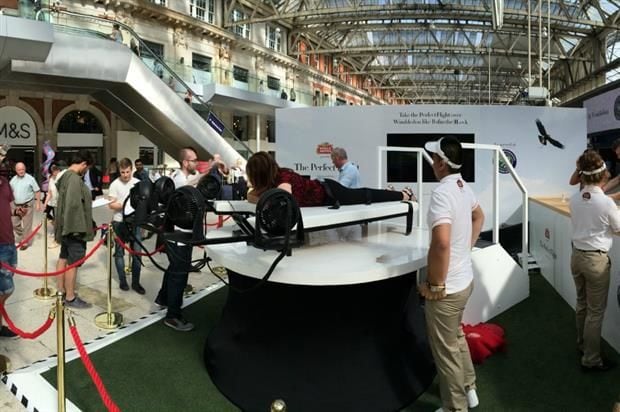
Stella Artois Presented a VR-Powered Bird's Eye View of Wimbledon
The marketing and advertising industry can leverage virtual reality to create innovative and engaging campaigns that leave a lasting impression on consumers.
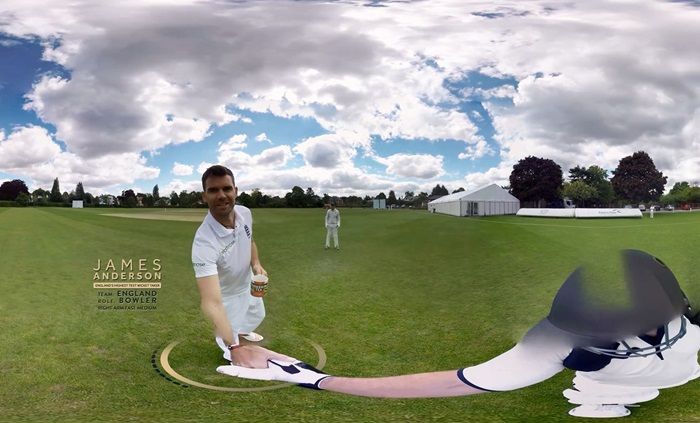
'A Proper Ball' is a VR Event from Yorkshire Tea and the ECB
Virtual reality technology can revolutionize the way consumers engage with live sports and entertainment events, providing new revenue streams and increased fan engagement.
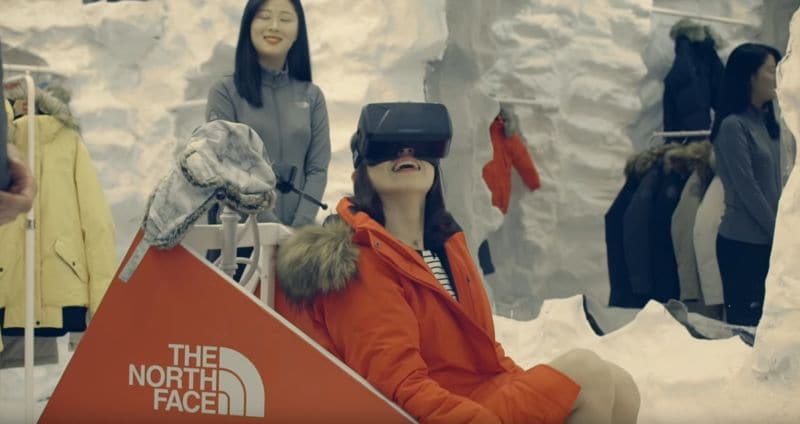
North Face's Dog Sledding VR Experience Launches a Real-Life Race
The outdoor apparel industry can utilize experiential marketing and virtual reality to showcase their products in action, inspiring consumers to make purchases and fueling brand l…
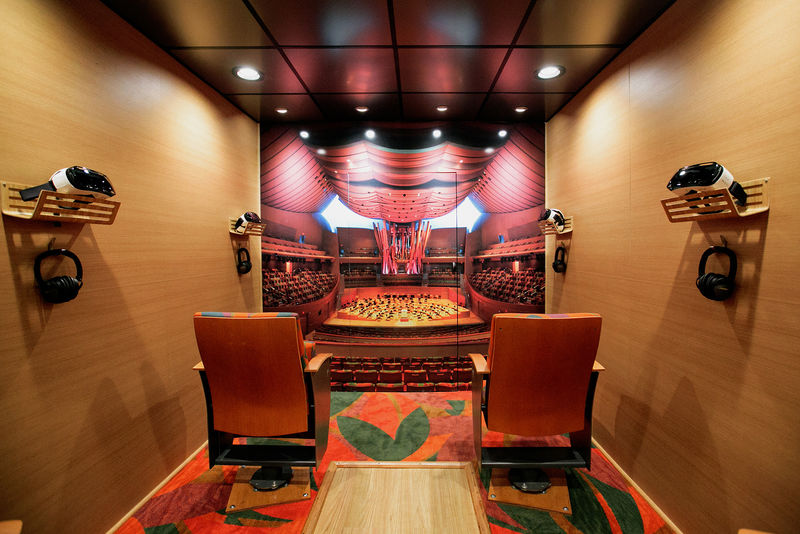
LA Phil's 'VAN Beethoven' Experience Visualizes Classical Music
The entertainment industry can use virtual reality technology to create immersive experiences and draw audiences in unique and engaging ways.