Category
Business
Meal Junction
Fast, convenient spa services target the busy self-care seeker.

What's Happening
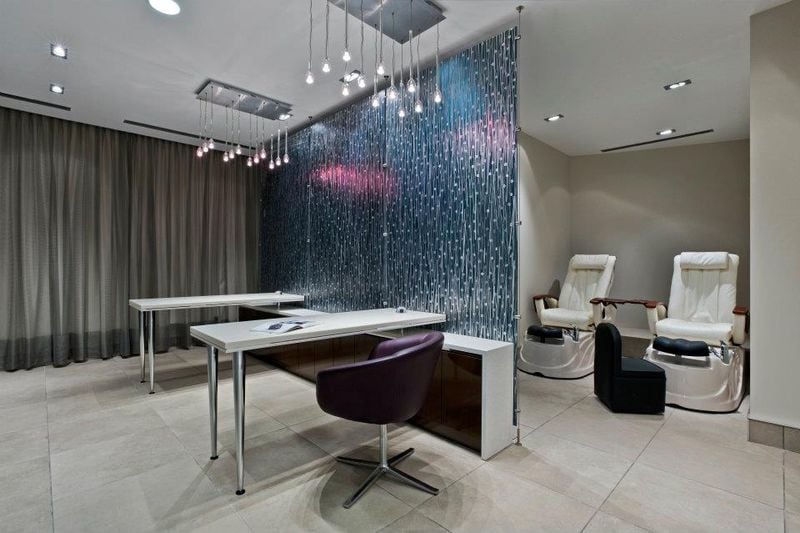
Accessible Self-Care: As busy working consumers look to cram in time for self-care, many brands are making spa services especially accessible by offering them in-store, in-suite or via pop-up on a schedule that works around the standard nine-to-five. Linked to the desire for transformative experiences, this progression highlights the opportunity to connect with consumers by embedding services into regular parts of their day, such as lunch hour or the commute.
Evidence
The Mercedes-Benz Burlington Location Boasts a Spa and Cafe
Car dealerships are introducing luxury amenities as a way to differentiate and provide added value to customers.
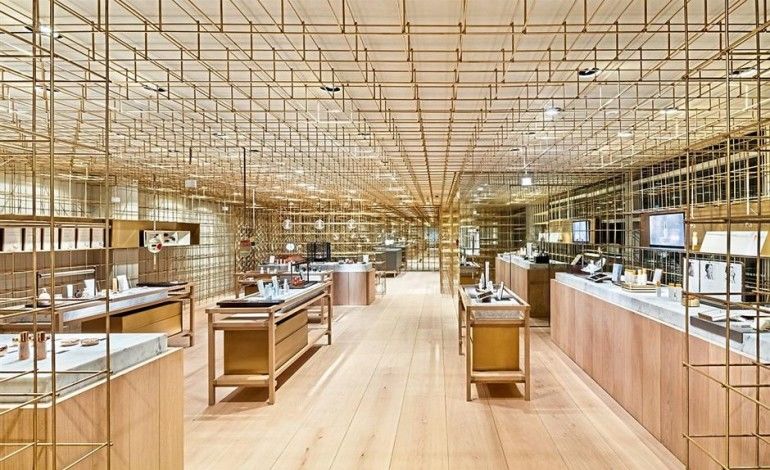
The Sulwhasoo Flagship Store Features an In-House Spa
Skincare brands can take advantage of the rising interest in Korean beauty products by creating innovative and experiential flagship stores.
The Aman Spa Holds Meditation Classes for Stressed-Out Professionals
The Aman Spa's lunchtime meditation sessions demonstrate an opportunity for the spa industry to cater to stressed-out professionals seeking relaxation and mindfulness experiences.
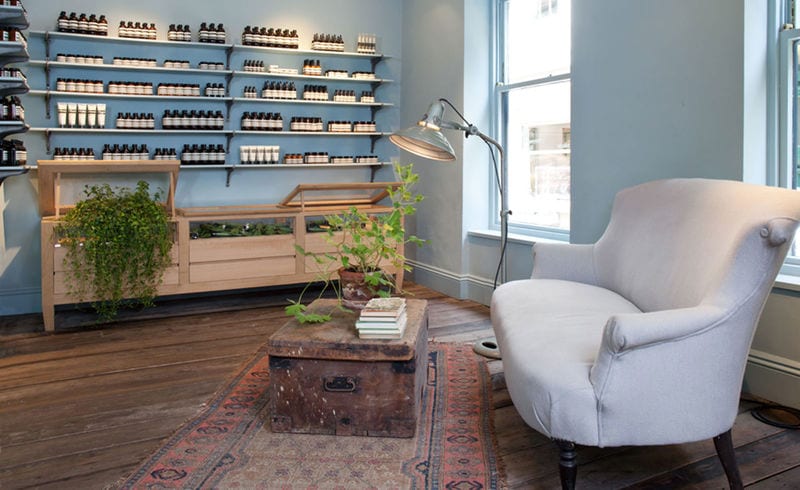
The Aesop Richmond Boutique Will Now Offer In-store Spa Facials
The skincare industry can capitalize on the trend of in-store facial treatments by integrating them into their retail spaces, providing value-added services to customers.
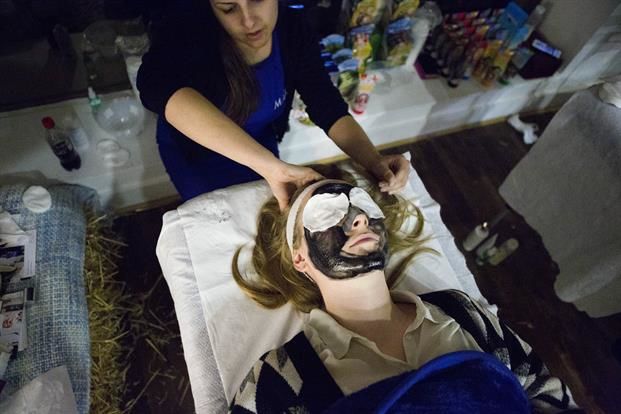
Beauty Brand 7th Heaven Hosted a Bunny Spa at Covent Garden
Beauty brands can leverage immersive pop-up events and animal adoption integrations to create unique and memorable experiences for customers.
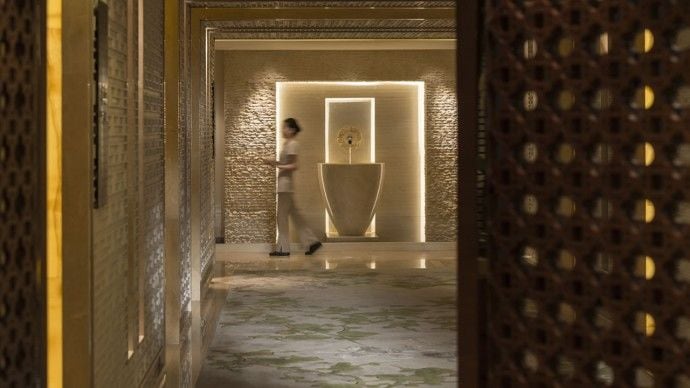
The Four Seasons Hotel Beijing Has Launched a In-Hotel Nail Salon
Hotels and resorts can increase revenue and guest satisfaction by offering specialized services and packages.
Workshop question
What role does your brand play in improving consumers' quality of life? How flexible are you in terms of making those products or services accessible?
Trend signals
Trend score 2.6 out of 10, from popularity 34%, activity 36%, freshness 8%.
Trend themes
Brands are making spa services more accessible by offering them in-store, in-suite or via pop-up on a schedule that works around the standard nine-to-five, creating an opportunity to connect with busy consumers by embedding services into regular parts of their day.
Offering sensory and immersive experiences such as in-store facial treatments or manicure hotel suites, brands can cater to niche tastes of their guests and tap into the trend of experiential retail.
Providing short meditation classes or other wellness-focused workshops for busy professionals, businesses can tap into consumer demand for activities that help deal with the pressures of the modern workplace.
Industry implications
Beauty brands are creating innovative pop-up experiences and in-store rituals to offer personalized and immersive experiences for customers, potentially disrupting traditional department store beauty counters.
Car dealerships are adding spa services to give their customers experiences beyond just purchasing a vehicle, potentially disrupting the typical dealership model.
Hotels are increasingly catering to guests' niche tastes by offering unique experiences, such as dedicated nail salons or flagship stores that showcase local beauty products, potentially disrupting the traditional hotel experience.