

Category
Lifestyle
Baseline Support
3D printing materials are revolutionized to fit various industries.


What's Happening
Divergent Manufacturing: Additive manufacturing has gone beyond its original purpose, and continues to grow as new materials are applied to the process, making it applicable to many industries. This radical approach to material used in the 3D printing process signifies a need to further develop the technology as it transitions to a commonplace tool.
Evidence
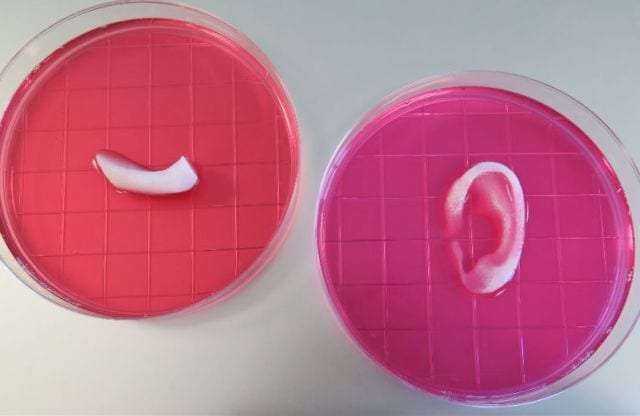
This Innovative Printer Can Make Full-Sized Body Parts
Opportunity for medical professionals to utilize 3D bio-printing to produce custom-made body parts.
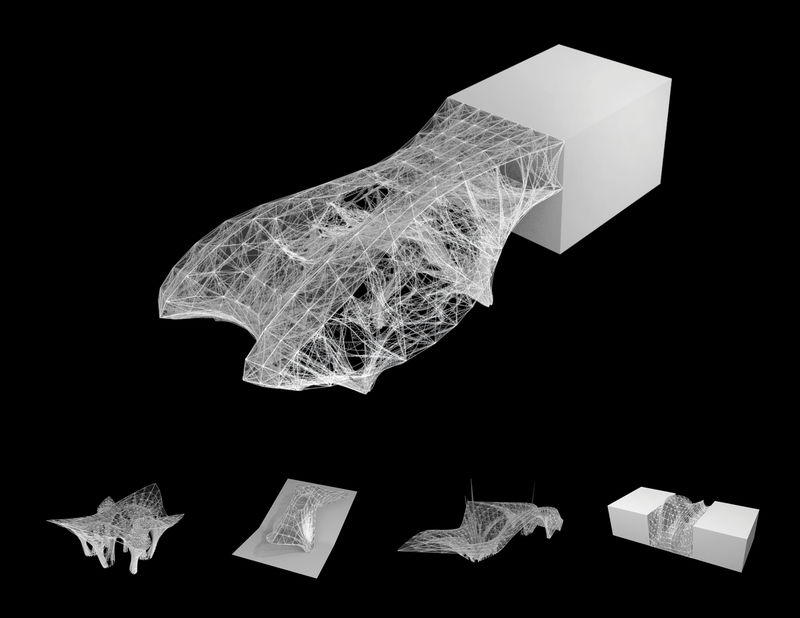
Weave.X Was Built Through the Use of Computational Design
The architecture industry can leverage the use of computational design and robot fabrication to disrupt traditional building methods and create innovative structures.
'Growing Systems' Uses 3D Printing to Build Unique Structures
The construction industry can leverage 3D printing technology and generative design concepts to innovate and create eco-friendly and flexible building materials.
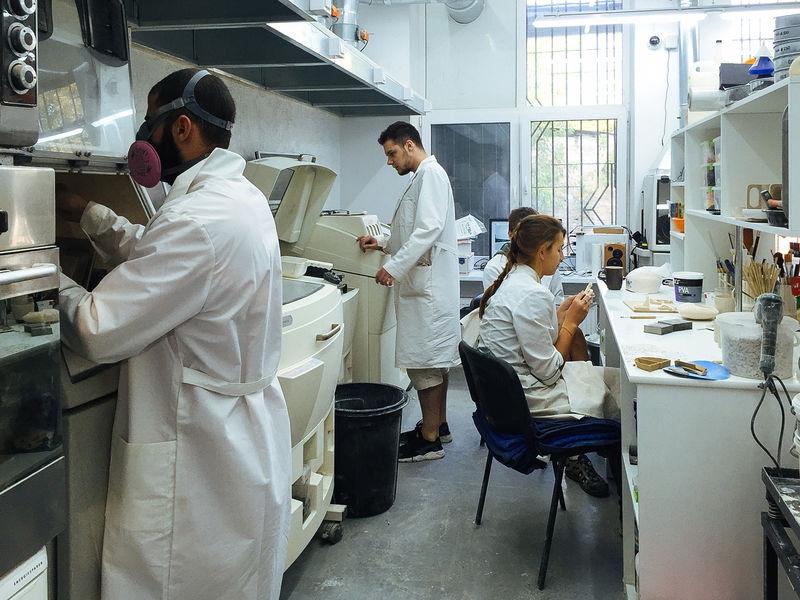
Kwambio's Eco-Friendly Facility Makes 3D-Printed Ceramics
The use of 3D printing technology presents opportunities for ceramics companies to create unique and customizable products that meet the needs of their customers in a more efficie…
This Eco Pot is Made from Kelp and a Biodegradable Polymer
Disruptive innovation opportunity: Innovating packaging techniques and materials to meet the demand for sustainable and biodegradable options.
Workshop question
Consider your brand's use of technology, whether internally, or a part of your product; what is one small tweak you could make to this technology to expand its use?
Trend signals
Trend score 4.5 out of 10, from popularity 58%, activity 69%, freshness 8%.
Trend themes
The development and application of new materials in 3D printing demonstrates a need to advance the technology beyond its original purpose.
Research into bio-printing not only revolutionizes the medical field, but also represents a major advancement in 3D printing technology and its capabilities.
The use of computational design in 3D printing allows for the creation of intricate and non-traditional structures.
Industry implications
Bio-printing can potentially lead to the creation of replacement tissue for medical purposes.
The use of biodegradable materials and the ability to print structures with greater adaptability has potential implications for sustainable packaging and construction solutions.
Computational design combined with 3D printing has opened up new possibilities for designing and building structural projects, allowing for greater creativity and innovation.