Category
Life-Stages
Constructible Franchises
Kids can learn to code using tangible toys to ease transition.
Trend
Transitional Coding: As the world becomes increasingly digitized, parents recognize the value of teaching children coding at an early age. Recently, more tangible playthings can be observed in this space that allow children to approach coding in phases, beginning with spatial understanding and basic problem solving. This tactical approach to digital training eases the transition from traditional toys to those of the future.
Trend themes
Coding toys that allow children to learn using physical blocks or sensors are gaining popularity.
Toys that teach coding using storytelling and physical movement without the use of screens are becoming more prevalent.
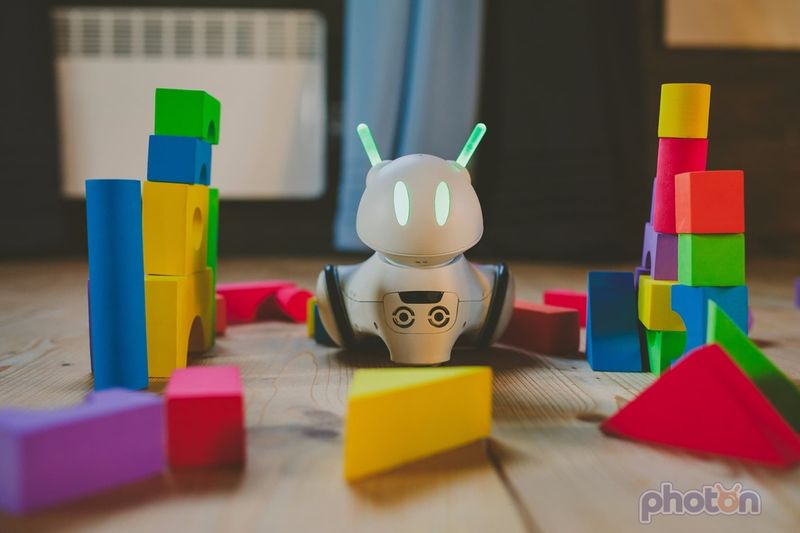
Toys such as the 'Photon' robot allow children to learn code through visual programming interfaces and gamification.
Industry implications
Edtech companies can explore the market of coding toys to create innovative educational products for young learners.
Toy manufacturers can incorporate coding-focused features into traditional physical toys to keep up with the trend.
Game developers and gamification experts can explore the use of game mechanics to introduce coding concepts to children.
Workshop question
Trend signals
Trend score 5.1 out of 10, from popularity 79%, activity 65%, freshness 8%.
Evidence
The 'Photon' Toy Robot Makes Learning Code Fun and Interactive
The 'Photon' toy robot represents an opportunity for toy manufacturers to tap into the growing demand for interactive educational toys.
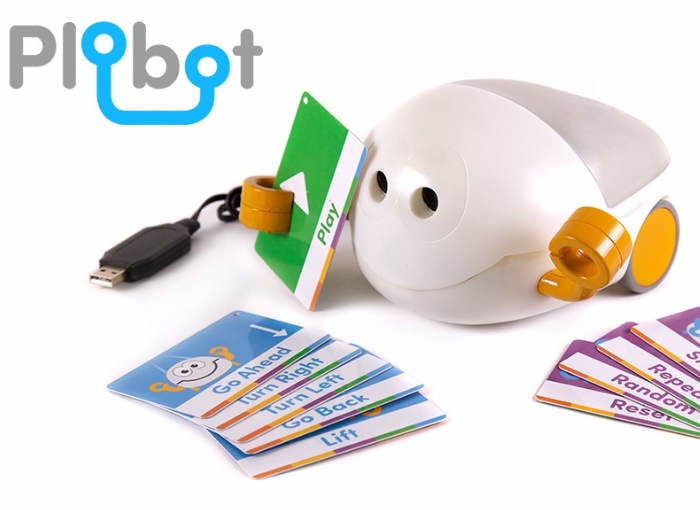
The 'Plobot' Play Robot Lets Children Learn to Code without Screens
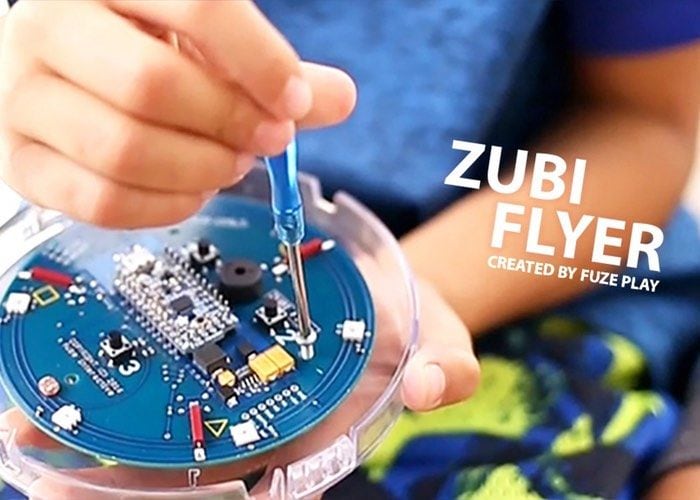
The Fuze Play 'Zubi Flyer' Lets Kids Build, Hack and Play
The toy industry could explore new markets by creating more interactive and educational toys that are user-friendly and easy to build like the Fuze Play 'Zubi Flyer'.
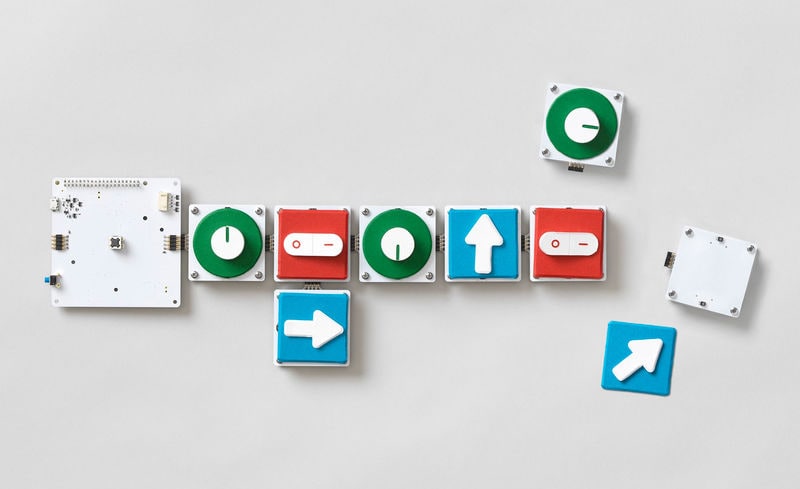
Google's 'Project Bloks' Uses Toys to Teach Kids How to Code
The development and production of coding toys like 'Project Bloks' require innovative approaches to combine physical and digital elements in engaging ways.