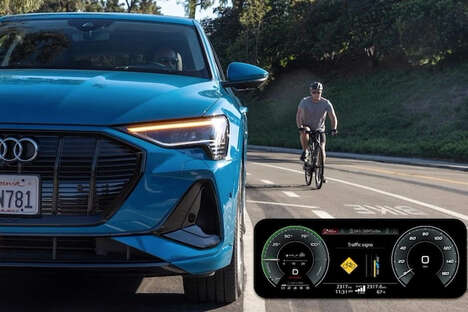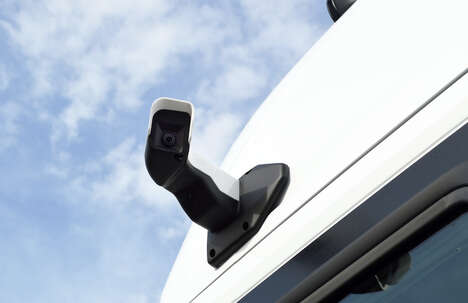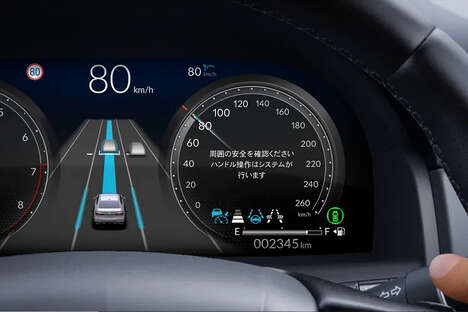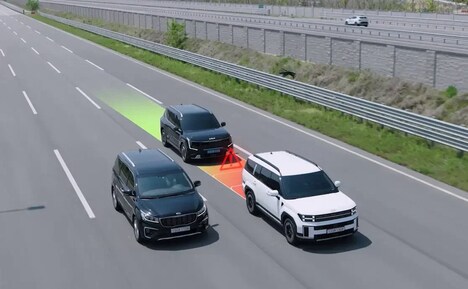
The University of Michigan and the US Department of Transportation have teamed up to make driving sensor technology a requirement for most cars. The university aims to change the future of safe driving with the help of road-side sensors and in-car equipment that keeps drivers attentive and protected from the risk of accidents.
In the case of harsh weather conditions like ice, a sensor would be embedded in pavement, warning drivers of the risk and signalling them to slow down. This driving sensor technology would also inform drivers of speed warnings, letting them know if they were moving too fast for the curb.
"The National Highway Traffic Safety Administration estimates that vehicle-to-vehicle transmitters will add about $350 to the total cost of a vehicle by 2020". According to traffic stats, over 5 million road accidents occur in the US each year, making this technology a small price to pay for safety.
Key Themes Behind This Trend
- Driving Sensor Technology
- Embedding sensors in pavement and in-car equipment to enhance safe driving and prevent accidents.
- Vehicle-to-vehicle Transmitters
- The addition of V2V transmitters in vehicles to increase communication between cars and prevent accidents.
- Weather-sensing Technology
- Using weather sensors in pavement to warn drivers of risks like ice and alerting them to slow down.
Where This Applies
- Automotive Industry
- Developing and implementing driving sensor technology in new and existing vehicles to improve safety standards.
- Technology Industry
- Creating, developing and marketing the sensors and transmitters needed to implement these new safety features.
- Construction Industry
- The construction of highways and roads that can have these sensors embedded in pavement to enhance safe driving and decrease the risk of accidents.