

Category
Lifestyle
Assisted Choices
The use of pets in ads evolves to convey familiarity, humor and youthfulness.
Trend
Animalized Marketing: While the original perception of animals in advertising pertained to conveying a cute and emotional aesthetic, the tactic is evolving to humanize brands and place them in a more youth-focused light. This approach disassociates brands with formality to better appeal to mom, dad and children for cohesive adaptation in a market where purchases are influenced by all family members and not just breadwinners. Striking a balance between familial orientation and personification, the marketing endeavors push in a more ambiguous direction to target all generations and not just one.
Trend themes
Incorporating animals in marketing to appeal to diverse audiences.
Using popular pet content from social media to drive brand awareness and marketing.
Creating marketing that appeals to families and de-formalizes the brand.
Industry implications
Leveraging market trends to create innovative pet-centric marketing campaigns.
Producing and promoting organic agriculture by highlighting the dangers of pesticide use.
Creating marketing campaigns that reimagine and visually represent an adventurous lifestyle.
Trend signals
Trend score 4.2 out of 10, from popularity 72%, activity 46%, freshness 8%.
Evidence
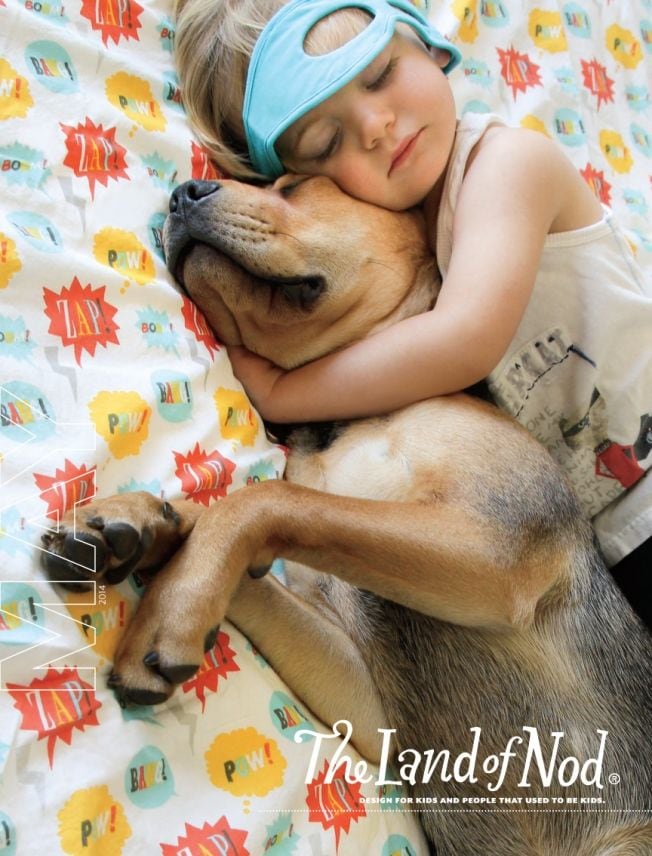
The Land of Nod's May Cover Stars the Adorable and Viral Theo and Beau
Retail companies can capitalize on the trend of social media-sourced ads to create authentic and compelling visual campaigns that resonate with their target audience.
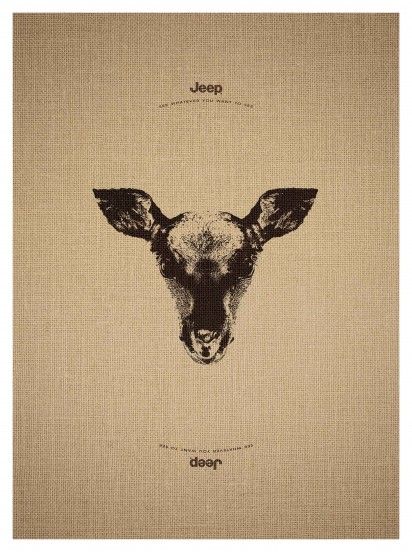
Jeep Launches a New Set of Ads That Lets You 'See Whatever You Want To See'
Incorporating interactive and visually engaging advertising campaigns to create a strong brand presence and attract customers.
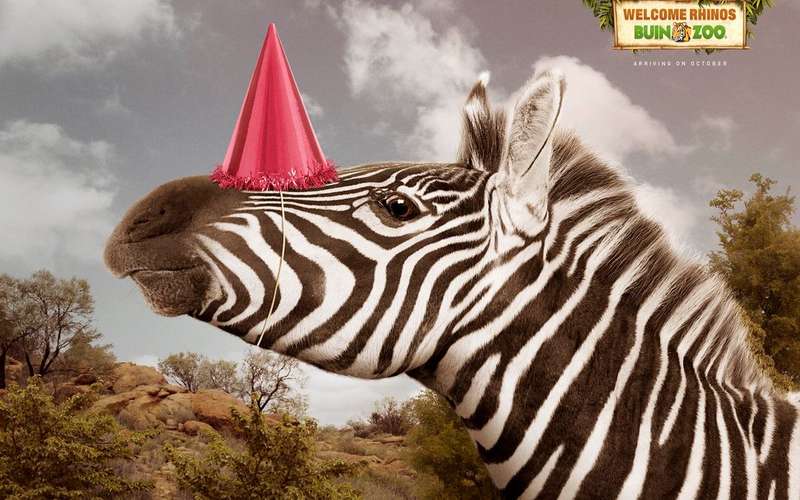
This Promotion for Buin Zoo Features Celebrating Animals
Utilizing advertisements, promotions, and zoo exhibits to create buzz around animal arrivals and encourage visits from patrons.
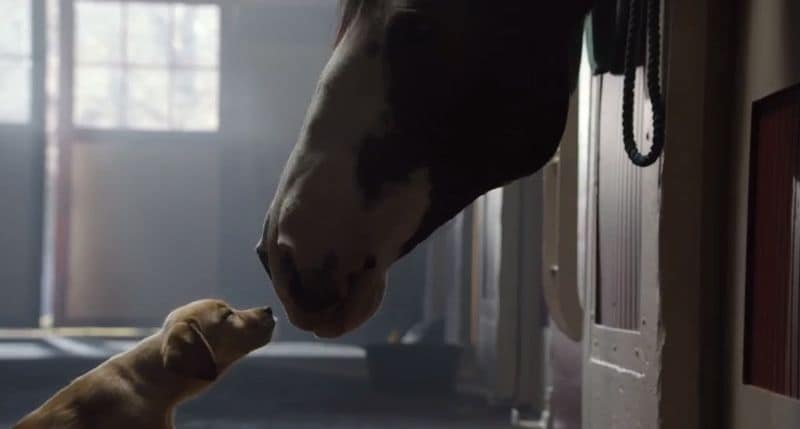
The Budweiser Super Bowl Ad Continues the Tale of the Clydesdale
Opportunity for advertising agencies to create compelling and memorable campaigns that evoke strong emotions and connections.
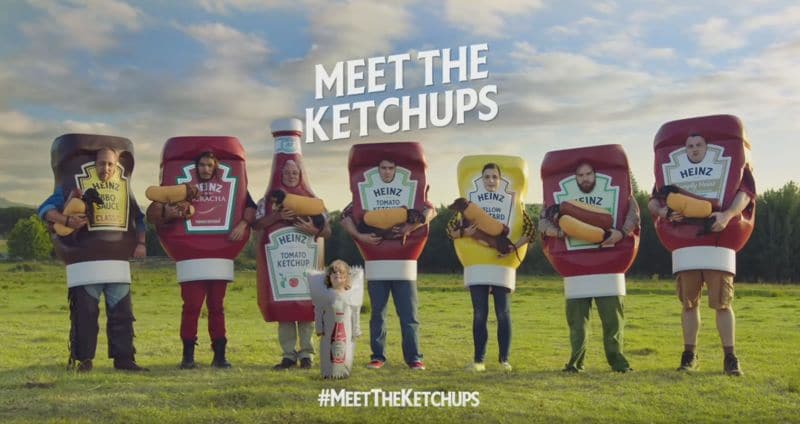
Heinz' Super Bowl Ad Stars a Condiment Family and a Stampede of Weiner Dogs
Exploring creative ways to market food products, such as featuring a condiment family, can help brands stand out in a competitive market.
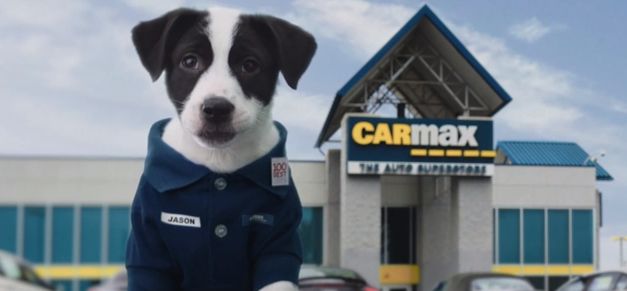
The 'Slow Bark' CarMax Ad is Made for the Puppy Bowl
Advertising agencies can explore the trend of incorporating animals, particularly puppies, in commercials to enhance brand messaging and create memorable campaigns.
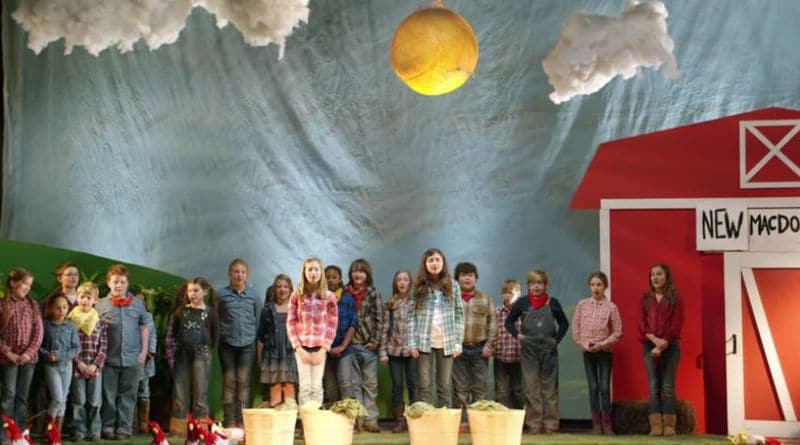
Only Organic's New Mac Donald Campaign Encourages Safe Farming
The organic food industry can benefit from the anti-pesticide food ads as they can tap into consumers' growing interest in healthier and more sustainable food options.