Category
Art & Design
Oven Aesthetics
Brands imitate the comfort of home for an enhanced shopping experience.
Trend
Domiciliary Retail: E-tail has grown by leaps and bounds over the past decade by appealing to consumer appeal for convenience and shopping from home, which is an aspect that physical retailers are adapting into design with storefronts that mimic residential living to pull shoppers back into stores. The direct attention to comfort and familiarity pushes against the formerly rigid structure of retail design for an experience that welcomes and appreciates patronage in a more intimate way than ever before.
Trend themes
Physical retailers are adapting into designs that mimic residential living to pull shoppers back into stores.
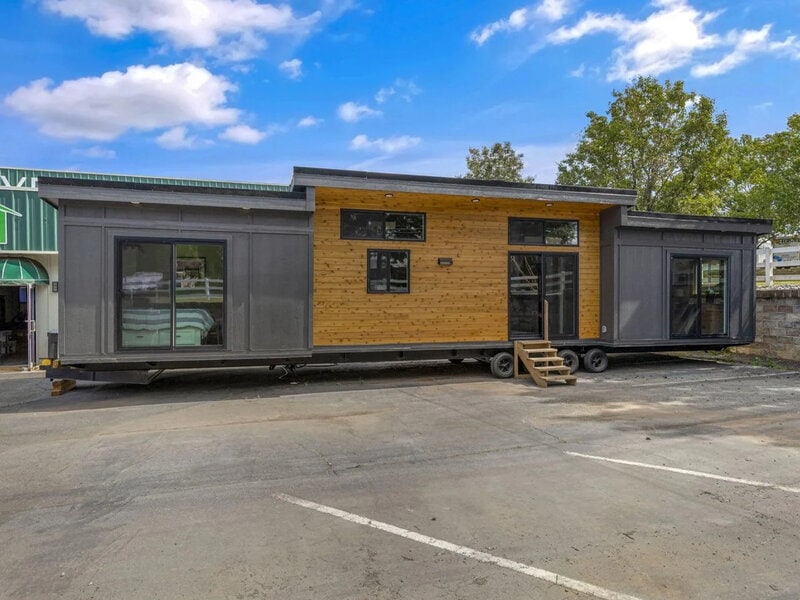
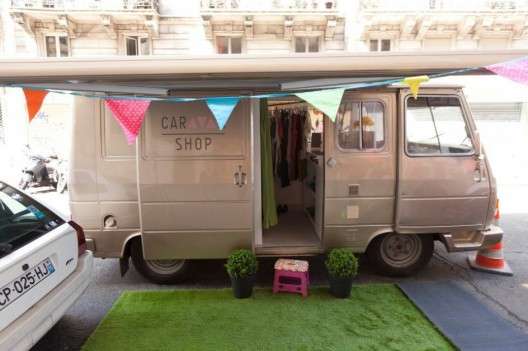
The Caravan Shop has cleverly taken the idea behind a food truck and applied it to the fashion industry.
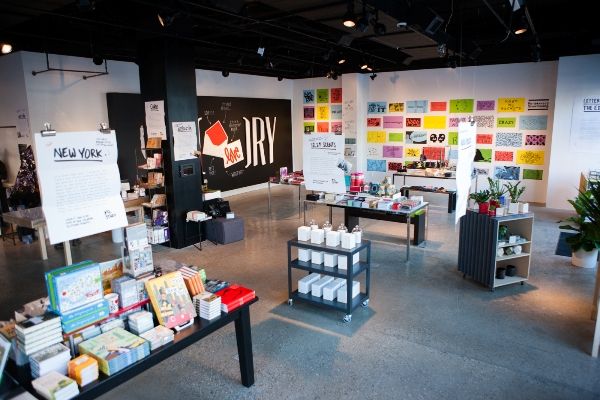
STORY New York City is a shop that's curated like a magazine and changes its central themes.
Industry implications
The trend towards residential retail creates opportunities for interior designers to create home-like experiences within physical stores.
Mobile boutiques like the Caravan Shop demonstrate the potential for fashion retailers to explore alternative, cost-effective formats for reaching customers.
Curated retail experiences, like STORIES New York City, provide marketers with innovative ways to create immersive and interactive brand experiences.
Trend signals
Trend score 5.4 out of 10, from popularity 87%, activity 68%, freshness 8%.
Evidence
The Caravan Shop is a Boutique on Wheels
The fashion retail industry can explore the idea of mobile boutiques to enhance customer experience and reach new markets.
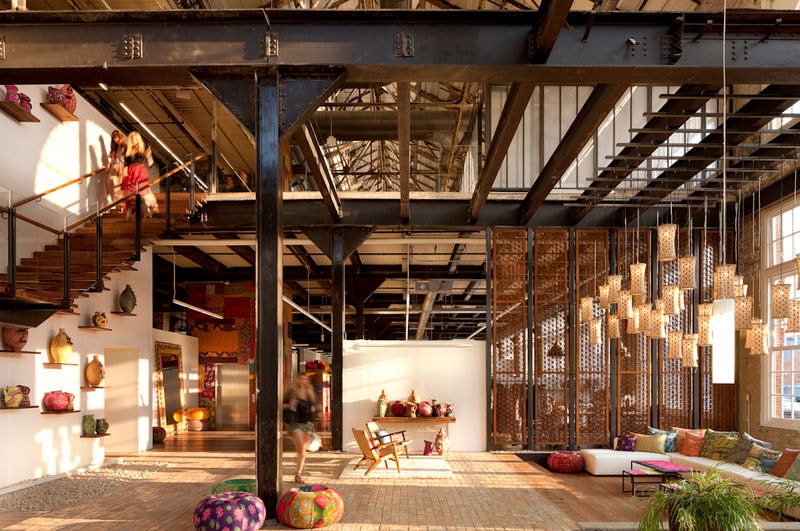
The Urban Outfitters Village is a Town Built by Retailers
Physical retailers experimenting with new models of delivering retail experiences by adding lifestyle components.
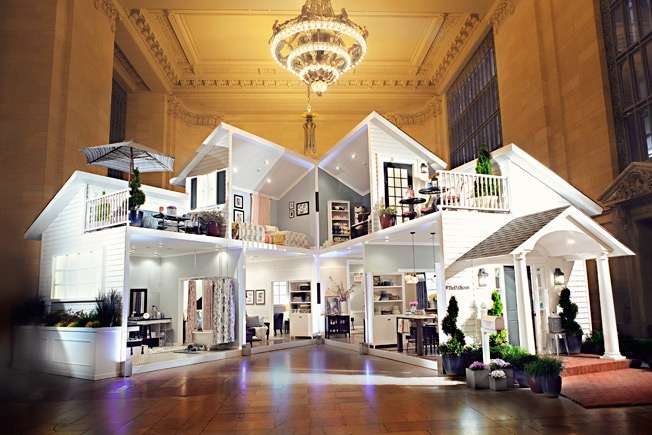
Grand Central Station Hosts a Huge House to Promote Target
Bringing in-store experiences to public spaces and creating immersive installations to showcase products and increase consumer interaction.
The STORY New York City Shop is Hosting an Installation All About Love
The curated shopping concept of STORY New York City could be applied to various retail sectors to offer consumers a dynamic and engaging shopping experience.
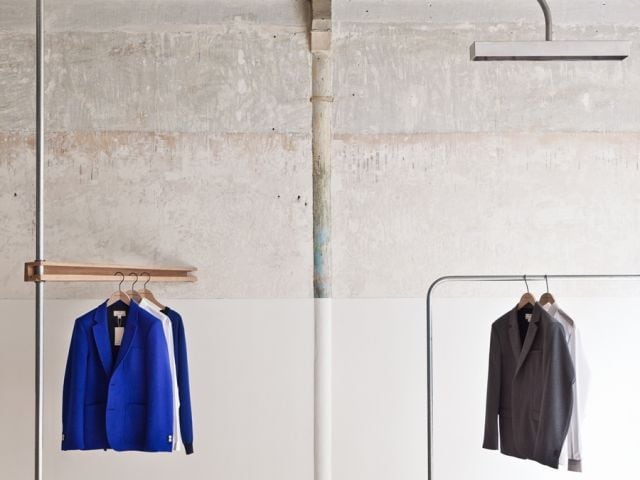
The Melinda Gloss by Cigue Store Boasts a Focus on Menswear Design
There are opportunities for architects and designers to create innovative retail spaces that focus on minimalism, incorporating audio-visual cues, and a chic industrial feel.