

Category
Lifestyle
Baseline Support
Brands are packaging medication-era eating help into daily touchpoints.

What's Happening
Assisted Choices: Support for people using weight-management prescriptions is expanding beyond the drug itself into digital guidance, store navigation, and add-on nutrition products. Brands are treating everyday eating decisions as a service layer that can be designed and merchandised. In many instances, supplements, education, shopping tools, and benefits are being bundled into simpler pathways intended to reduce friction for people adjusting how they eat.
Why It's Happening
People using weight loss medication or managing complex diets often face gaps between clinical treatment and daily life, which can cause anxiety. For many, knowing what the prescription does is not the same as knowing what to buy, eat, or keep on hand when appetite and digestion change. The abundance of online information that is difficult and time-consuming to fact-check can add another layer of uncertainty. Consumers want practical guidance, clearer pathways, and cross-context support, because such tools would give them more confidence to navigate their health and wellness journey.
Evidence
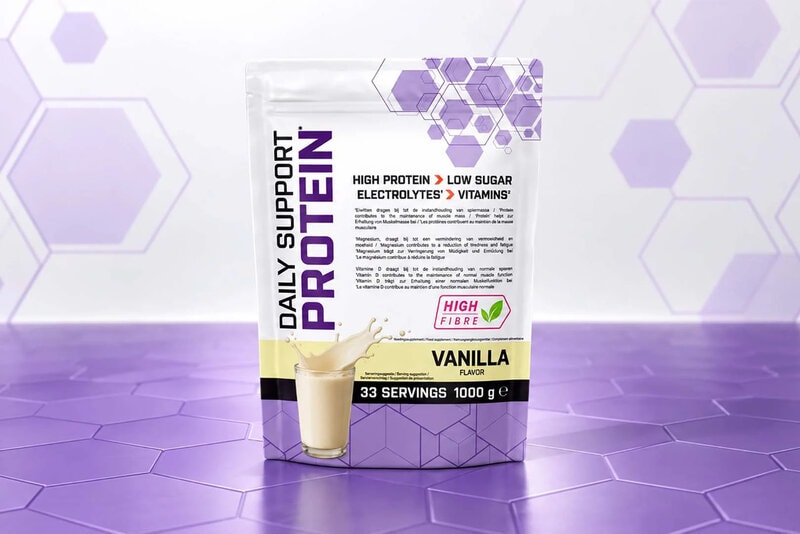
XXL Nutrition Combines Sunfiber with Daily Support Protein
The category is expanding as brands build targeted powders around specific health contexts rather than broad wellness claims.
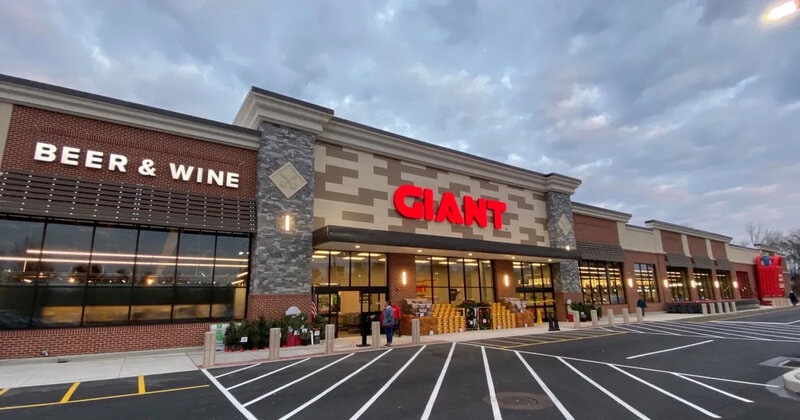
The Giant Company Coaches Shoppers Through Aisles With Samples
Supermarkets can evolve into guided health destinations where merchandising, dietitian services, and condition-specific assortments strengthen loyalty among shoppers with speciali…
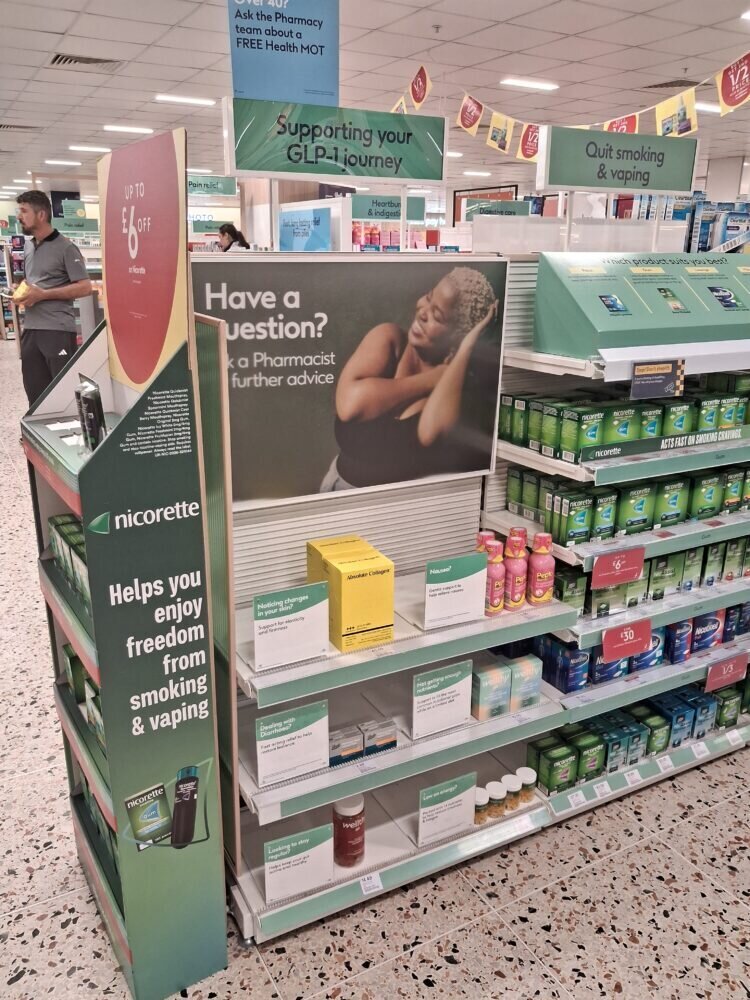
The Boots GLP-1 Support Zones are Arriving at 220 Locations
Large pharmacy chains are integrating clinical services with product curation, reshaping stores into hybrid health, wellness and advisory hubs.
ANJAC Supports Patients Beyond Weight-Loss Medication
Adjacent care platforms expand the role of over-the-counter products in supporting patients before, during and after prescription-led treatments.
Crux and eMed Combine GLP-1 Care With Employer Reimbursements
Benefit providers can differentiate through packaged healthcare solutions that address emerging workforce needs while supporting recruitment, retention and cost management.
Workshop question
How could your brand reduce the everyday decision load for people adapting to new eating patterns?
Trajectory
Latest reading 5.8 for the week of Oct 5, 2026. Holding over the final 3 scored weeks (±0.0), −2.4 from its peak of 8.2 in the week of Jul 27, 2026. Momentum 1.6/10, persistence 2.5/10, backed by 4 research findings.
Trend themes
Pharmacies and grocers are turning GLP-1-related needs into curated shelves, guided aisles and pharmacist-supported shopping experiences that convert clinical change into everyday purchase confidence.
Protein powders, supplements and hydration products are being reframed around appetite shifts, digestive changes and nutrient gaps, creating room for condition-specific formats that sit between food, wellness and medicine.
Workplace health programs are bundling prescribing, reimbursement and ongoing support into unified platforms, revealing a growing market for metabolic care services embedded inside employee benefits.
Industry implications
Store-based health destinations can extend beyond dispensing medication by organizing education, product discovery and professional guidance around emerging treatment lifestyles.
Brands in supplements, protein and fortified foods have space to develop targeted products that address the practical eating challenges created by changing appetite and digestion.
Benefits providers and digital health platforms are positioned to connect high-demand therapies with affordability, adherence support and simplified administration for employers.
Research
GLP-1 Menus
GLP-1 has turned wellness from a broad aspiration into a concrete product engineering brief.
Consumers using these medications have very specific needs around satiety, smaller portions, protein, fiber, hydration, and digestive tolerance, so brands that simplify eating decisions around those needs can become default choices in a fast-growing behavioral segment.
GLP-1 Sidecars
Medication adoption creates new everyday frictions that consumers try to solve with adjacent products rather than with pharmaceuticals alone.
Brands are responding to the need for routines that help users manage side effects, protect muscle mass and feel supported between prescriptions, visits and weigh-ins.
GLP-1 Reset
Consumers are shifting from abstract dieting to appetite-managed, physiology-aware eating.
GLP-1 is important not just because of the medication itself, but because it normalizes smaller portions, satiety, nutrient density, and food choices designed around how the body feels after eating. Brands that fail to adapt risk being optimized out of a pantry that is becoming more medically informed.
GLP-1 Food Recode
As appetite-suppressing drugs reduce sheer volume consumed, the value of every bite rises.
Consumers on GLP‑1s—and those influenced by the discourse—prioritize foods that deliver maximum protein, fiber, and metabolic stability per calorie. This pressures brands to move beyond sheer indulgence and portion size toward offerings that justify their place in a much smaller "calorie budget." Companies that design for satiety, energy steadiness, and muscle preservation will resonate with both GLP‑1 users and broader weight‑management seekers.