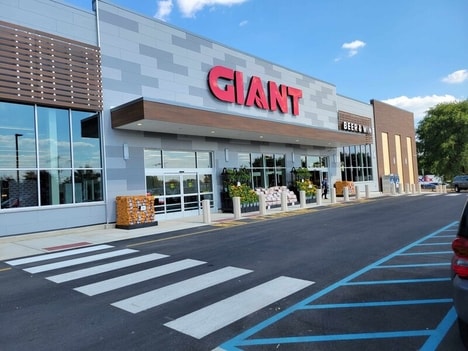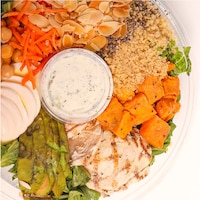
The Giant Company is turning grocery trips into guided shopping assistance for people using GLP-1 medications. Its store tours are designed to help shoppers pick foods that pair well with weight-management meds while making the aisles feel less overwhelming.
The one-hour sessions will run at six stores in Pennsylvania, with a focus on foods rich in protein, fiber and nutrients. Participants also receive product samples, which makes the tour feel practical rather than purely educational and helps translate nutrition advice into actual cart choices.
For grocers, this signals that the store can do more than stock shelves; it can coach shoppers through changing habits. Retailers that support medication-driven eating patterns may be better positioned to keep customers engaged as they buy more selectively and shop with a sharper list.
Image Credit: The Giant Company
What's Driving This Trend
- Medication-guided Shopping
- Retail food environments are becoming personalized around pharmaceutical lifestyles, creating space for curated aisle navigation, product bundling, and shopper education tied to treatment-driven behavior changes.
- Clinical Nutrition Retail
- Grocery stores are blending wellness coaching with everyday commerce as consumers seek practical food choices that align with metabolic health, appetite shifts, and nutrient-density goals.
- Sample-led Health Education
- Hands-on product tasting turns abstract dietary guidance into immediate purchase confidence, revealing opportunities for brands to embed trial, trust, and nutrition literacy into retail experiences.
Who This Affects Most
- Grocery Retail
- Supermarkets can evolve into guided health destinations where merchandising, dietitian services, and condition-specific assortments strengthen loyalty among shoppers with specialized food needs.
- Health and Wellness
- The rise of GLP-1-related eating habits expands demand for accessible nutrition support that connects medical treatment, lifestyle coaching, and everyday consumer products.
- Packaged Foods
- Food manufacturers have new room to position high-protein, high-fiber, and nutrient-rich products as preferred staples for consumers managing appetite, satiety, and weight-focused routines.