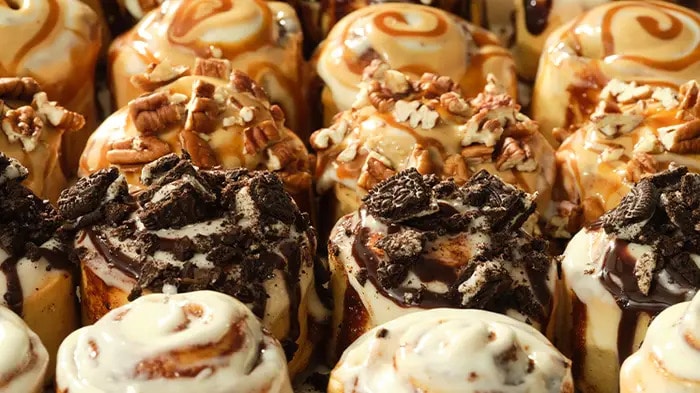
GoTo Foods, the parent of Cinnabon, Jamba and other mall staples, introduced a collection of wellness-focused menu changes designed to respond to rising GLP-1 medication use, featuring smaller portions and protein-forward positioning. The company’s new approach emphasized repositioning existing ingredients and portion architecture rather than launching entirely new recipes.
The rollout included bite-sized formats and modified offerings such as Moe’s “dippers,” two smaller burritos paired with sauce, plus clearer protein callouts on bowls and sandwiches to highlight satiety benefits. GoTo said it aimed to offer choice across brands — from snack formats at Jamba to adjusted sandwich portions — without explicit GLP-1 labeling.
For consumers, the shift matters because it gives more control over serving size and macronutrient balance while preserving familiar flavors; it also reflects a broader industry move toward flexible portions and protein-first framing in an era of changing appetites.
Image Credit: GoTo Foods
Why This Trend Is Growing
- Protein-first Menu Positioning
- A shift toward explicit protein callouts and satiety messaging that opens space for high-protein formulations and ingredient blends tailored to appetite control.
- Flexible Portion Architecture
- Smaller, modular servings and bite-sized formats that enable scalable portion customization and new unit-based pricing or subscription models.
- Ingredient Repositioning Over New Recipes
- Reframing existing menu components to highlight wellness benefits instead of introducing wholly new dishes, altering procurement and marketing emphasis.
Industries Being Reshaped
- Quick-service Restaurants
- Menu engineering and front-of-house presentation changes that create opportunities for format innovation, ingredient swaps, and altered kitchen workflows.
- Food Manufacturing & Ingredients
- Demand for concentrated protein ingredients, portion-stable formulations, and satiety-enhancing add-ins that support smaller servings without sacrificing mouthfeel.
- Mall Retail Foodservice
- Operators in high-footfall, convenience-focused settings facing pressure to offer wellness-framed, grab-and-go options that preserve brand familiarity while meeting new appetite dynamics.