Category
Lifestyle
Baseline Support
Brands leverage biometric data to fuel positive interactions with consumers.

What's Happening
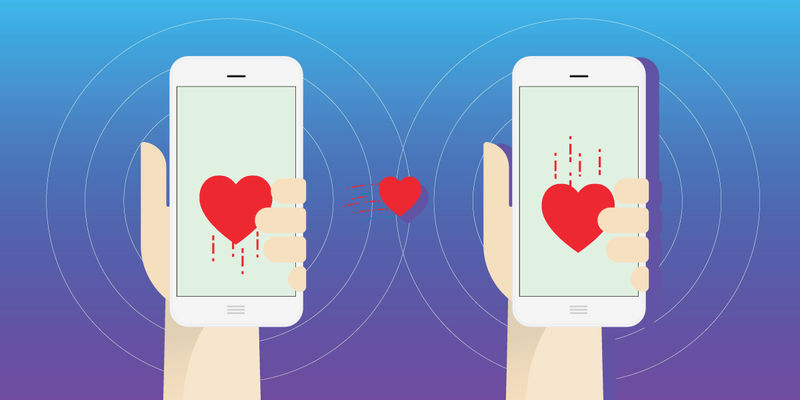
Emotional Engagement: Seeking to create more personalized experiences for consumers and ensure positive engagement on an individual level, brands are leveraging biometric data to track the emotions of consumers as they interact with their products and services. Emotion-tracking not only provides invaluable feedback for the brand on where the consumer is most engaged, it also indicates the perfect opportunity to enhance interactivity and brand love through positive emotional response.
Evidence
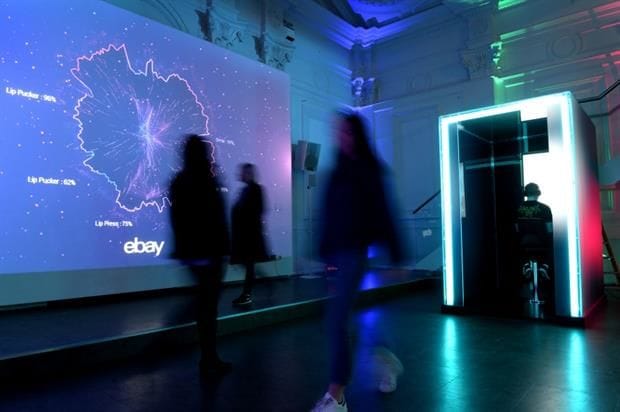
This eBay Pop-Up Used Facial Expressions to Help Shoppers Find Gifts
Retailers can adopt bio-analytic technology and facial coding software to create personalized shopping experiences for customers.
Marmite's TasteFace Uses Facial Recognition to Read Reactions
The food and beverage industry could use emotion-detecting apps to assess consumer response to new products or flavors, and adjust marketing strategies accordingly.
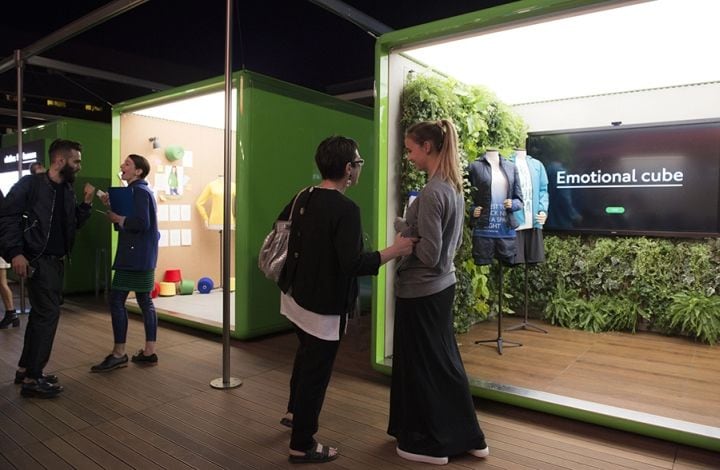
The Benetton Pop-Up Cubes Embrace an Immersive Marketing Approach
Fashion brands can utilize portable retail pods to create unique and engaging shopping experiences.
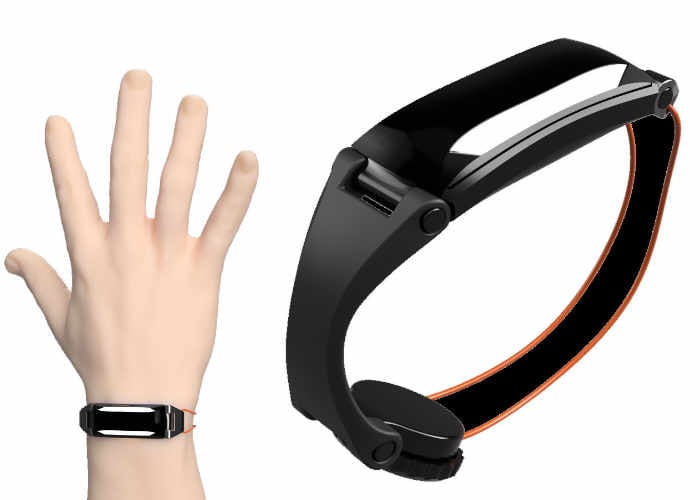
The Ankkoro Emotion Sense Wrist Wearable Captures Emotional Data
The gaming industry is poised to benefit from the development of emotion-tracking wearables, as it presents potential new gaming experiences that are more immersive and engaging.
This Device System Anticipates Heated Disagreements Between Couples
Development of wearable devices and algorithms to provide insights into emotional states and improve interpersonal relationships.
Workshop question
What are the emotions your consumer experiences as they interact with your brand? Where along this journey are they most and least engaged?
Trend signals
Trend score 5.2 out of 10, from popularity 73%, activity 73%, freshness 8%.
Trend themes
Wearables that capture emotional data are being developed to enhance the video game market in new and innovative ways.
Emotion-powered pop-up shops are being designed to create a multisensory, personalized shopping experience for consumers.
Portable retail pods equipped with interactive video content and 'emotion rooms' are being installed in high-traffic urban areas to target millennial consumers.
Industry implications
The development of emotion-tracking wearables presents opportunities for companies to create immersive applications in gaming and virtual reality.
By employing biometric and emotion-tracking technology, the retail industry has the opportunity to create personalized, multisensory shopping experiences for consumers.
The use of emotion-tracking technology in advertising and marketing presents opportunities for brands to create more engaging and effective campaigns.