



Category
Tech
Delegated Interfaces
Companies use crowdsourcing to train neural networks for better AI.




Trend
Trained Technology: Rigorous testing of AI means gathering mass amounts of data that are difficult to accumulate in the lab. Instead, companies have begun to train their machines with crowdsourced online games through which users unwittingly improve the quality of the AI. Gamifying technical aspects of one's brand cleverly redirects the wealth of information embedded in the crowd toward product improvement.
Trend themes
Companies are using crowdsourced online games to improve the quality of their AI by training their machines with massive amounts of accumulated data.
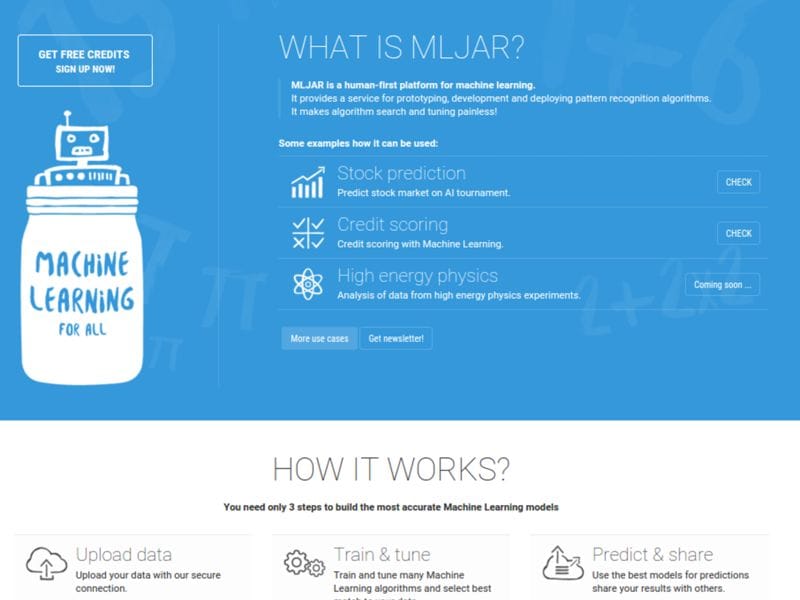
Platforms like MLJAR offer prototyping and development services by using pattern recognition algorithms.
Area 120 has opened a beta-testing signup for users to test new software projects before they hit the public.
Industry implications
AI companies can turn to crowdsourcing and pattern recognition algorithms for improving their AI technology.
There is a growing trend of machine learning platforms, such as MLJAR, that offer predictive model building services.
Businesses in software development can utilize beta testing programs for Area 120 projects.
Workshop question
Trend signals
Trend score 3.5 out of 10, from popularity 52%, activity 46%, freshness 8%.
Evidence
Google's 'Teachable Machine' Lets Any User Train an AI System
The AI industry can leverage these methods to improve image recognition algorithms and make them more accurate and diverse.
'Quick, Draw!' Teaches Google's Neural Network to Recognize Drawings
Tech companies can use Quick, Draw!
Machine Learning Platform MLJAR Uses AI for Prototyping
The financial industry can benefit from MLJAR's predictive model-building platform for credit scoring and stock prediction, improving risk assessment and investment strategies.
Interested Participants Can Sign Up for Testing Google's Area 120 Projects
Technology companies should offer early beta testing to engage early adopters and receive valuable feedback to improve their products before they launch to the market.
'Quick Draw! The Data' Shows How People Drew the Same Concepts
Interactive drawing games can be incorporated into educational technology to improve learning outcomes through visual learning.






