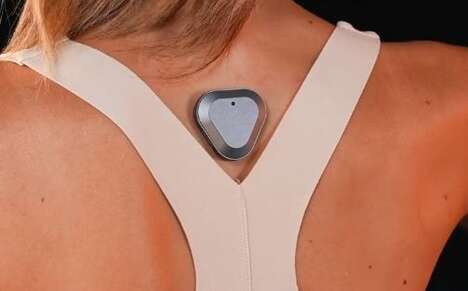
This wearable AI device sends a literal chill down your neck when it hears an artificial voice. Developed by Australian research firm DT, Anti AI AI is a piece of technology that goes on your ear and will notify you (by cooling the skin via a thermoelectric plate) when it detects a machine-generated synthetic voice. The prototype was created as a pre-emptive response to fake news and the sort of bot-powered content and disinformation spread by artificial intelligence and machine learning.
The Anti AI AI device is connected to a neural net that can distinguish between real human and synthesized voices. The IoT invention also differs from other alert systems that typically use light, sound or vibrations by delivering a noticeable chill by the back of the neck instead.
Why This Trend Is Growing
- Wearable AI Devices
- Disruptive innovation opportunity: Develop wearable AI devices that can detect and respond to various types of artificial intelligence.
- Fake Voice Detection Technology
- Disruptive innovation opportunity: Create advanced technology that can accurately detect and distinguish between real human voices and machine-generated synthetic voices.
- Preventing Fake News
- Disruptive innovation opportunity: Invent solutions that proactively address the spread of fake news and disinformation powered by artificial intelligence and machine learning.
Industries Being Reshaped
- Technology
- Disruptive innovation opportunity: Apply cutting-edge technology to develop devices capable of detecting and responding to AI-generated content.
- Internet of Things (iot)
- Disruptive innovation opportunity: Explore IoT solutions that can accurately identify and differentiate between real human voices and machine-generated synthetic voices.
- Media and Journalism
- Disruptive innovation opportunity: Develop tools and technologies that can combat the spread of fake news and disinformation, particularly those powered by artificial intelligence and machine learning.