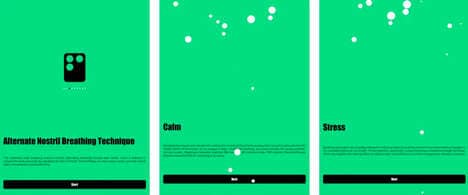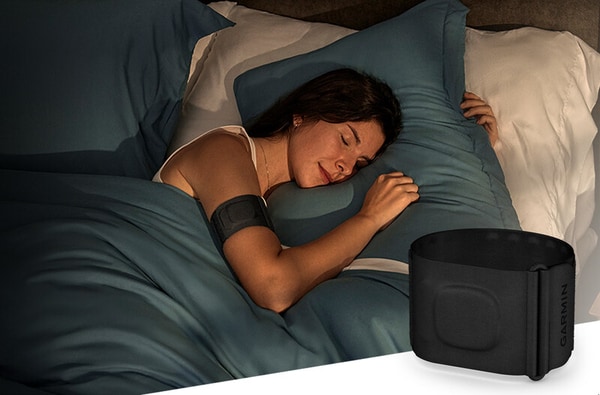
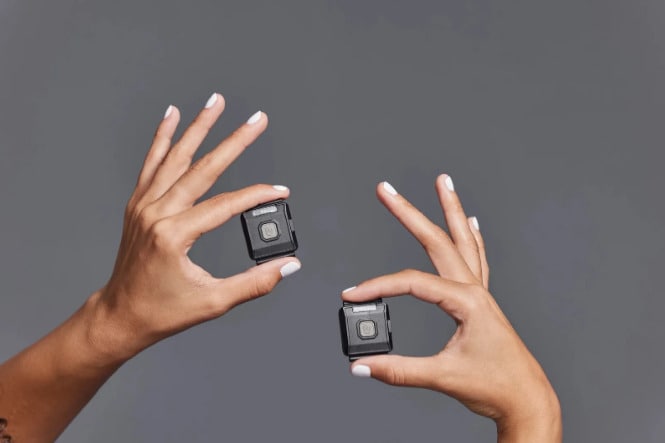
TouchPoint Solution introduced Thodian, a pair of AI-guided, clip-on haptic devices designed to help users manage stress in real time. Worn on opposite sides of the body, the small “tokens” apply targeted vibrations that are automatically triggered when connected wearables detect signs of rising stress. Rather than another passive tracker, Thodian positions itself as an active intervention tool that responds to what your body is doing in the moment.
The system works on its own but is optimized when paired with mainstream fitness wearables like an Apple Watch or Fitbit, which feed biometric data—such as elevated heart rate—into Thodian’s algorithm. When a stress signal is detected, the clips activate gentle, alternating vibrations based on TouchPoint’s proprietary BLAST (Bi-Lateral Alternating Stimulation Tactile) technology. The compact form factor lets users discreetly attach the devices to clothing for use at work, during travel, or throughout the day, with pricing set at $280.
For consumers, Thodian reflects a broader shift from simple wellness tracking to closed-loop stress management tools that offer immediate feedback and relief. The clip-on format lowers the barrier to entry for people who don’t want yet another screen or bulky device, while AI-driven responsiveness makes the experience feel personalized instead of generic. As anxiety and burnout continue to shape the wellness market, calming wearables like Thodian highlight how haptics and biometrics are converging to deliver on-demand emotional support beyond meditation apps.
Image Credit: TouchPoint Solution
Why This Trend Is Growing
- AI-driven Stress Management
- The integration of AI to provide real-time stress management marks a shift towards proactive wellness solutions that immediately address user anxiety without requiring manual intervention.
- Biometric-responsive Wearables
- The use of biometric data to trigger responsive actions in wearables is transforming passive health monitoring into dynamic and personalized wellness interventions.
- Multi-device Ecosystem Integration
- The compatibility of new devices with existing mainstream fitness wearables underscores a trend towards creating interconnected ecosystems that enhance user experience and device efficiency.
Industries Being Reshaped
- Wearable Technology
- The development of stress-reducing haptic devices exemplifies how innovation in wearables is extending beyond fitness tracking to encompass holistic wellness solutions.
- Mental Health Tech
- As technology increasingly prioritizes mental health, the sector sees growth in tools that offer immediate emotional support and stress relief through innovative applications.
- Artificial Intelligence
- With the integration of AI in personal devices for mental wellness, the AI industry is expanding its reach as a facilitator of real-time, personalized user interactions.