
Linarc is a cloud-based construction management platform led by founder and CEO Shanthi Rajan that is weaving artificial intelligence directly into day-to-day project control. The system focuses on mid-sized general contractors and subcontractors and stands out by unifying schedules, budgets, and workforce plans so changes in one area automatically ripple through the rest. Rather than treating AI as an add-on, Linarc builds it into core workflows to reduce rework and improve decision-making on complex jobsites.
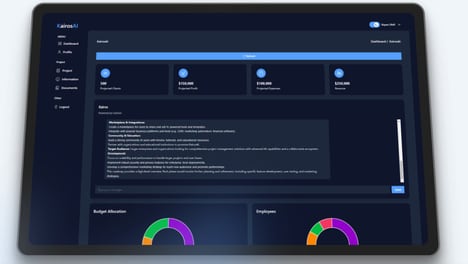
Current AI-powered capabilities center on predictive scheduling, budget forecasting, and resource optimization. Linarc’s models analyze historical and in-progress project data to flag likely delays, cost anomalies, and over- or underutilized crews and equipment. The platform is being built on proprietary, construction-specific models complemented by proven third-party tools to handle diverse project types—from civil infrastructure to multifamily developments—while staying intuitive for field teams.
For construction firms, these tools matter because they turn underused project data into practical, real-time insight. Teams can spot issues earlier, maintain schedule and budget reliability, and cut hours of manual spreadsheet work. As AI in construction shifts from experimentation to embedded value, Linarc illustrates how purpose-built analytics and automation can boost transparency, safety, and productivity without replacing human judgment on the jobsite.
Image Credit: Linarc
What's Driving This Trend
- AI-integrated Construction Management
- The integration of AI into core construction workflows offers transformative potential for automating project control, enhancing decision-making and reducing delays.
- Predictive Analytics in Construction
- Predictive analytics allow construction firms to utilize historical and real-time data for accurate forecasting, enabling proactive management of schedules and budgets.
- Real-time Data Utilization
- Harnessing real-time data on job sites boosts transparency and efficiency by rapidly identifying and addressing potential issues before they impact project timelines.
Who This Affects Most
- Construction Technology
- Advanced construction technology platforms are evolving to integrate AI for streamlining and optimizing complex project management processes.
- Cloud-based Project Management
- Cloud-based solutions are revolutionizing project management by offering accessible, scalable platforms that centralize and automate diverse project requirements.
- AI and Data Analytics
- The intersection of AI and data analytics in various industries enables smarter decision-making by converting large datasets into actionable insights.