Category
Art & Design
Oven Aesthetics
Retail spaces adopt product-free aesthetics for minimalist appeal.

Trend
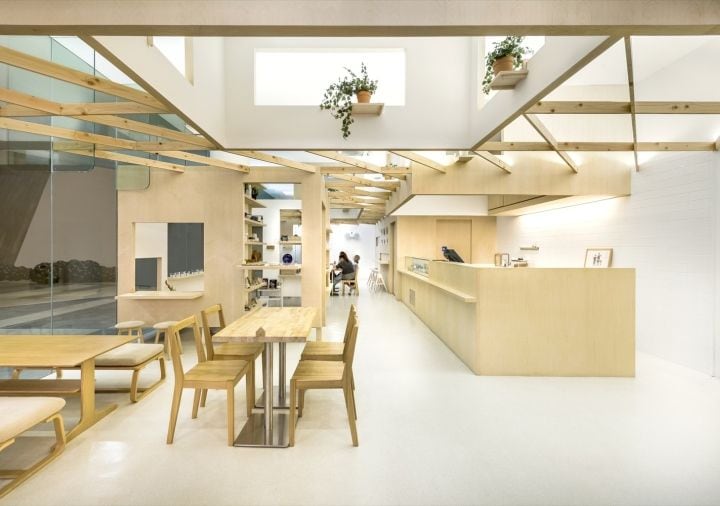
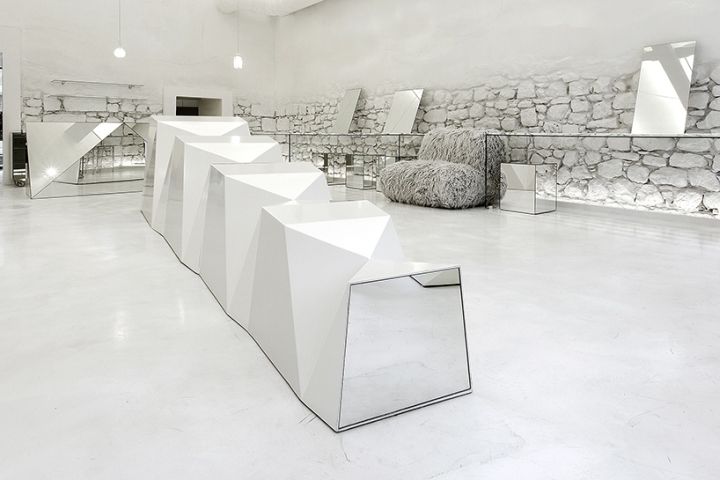
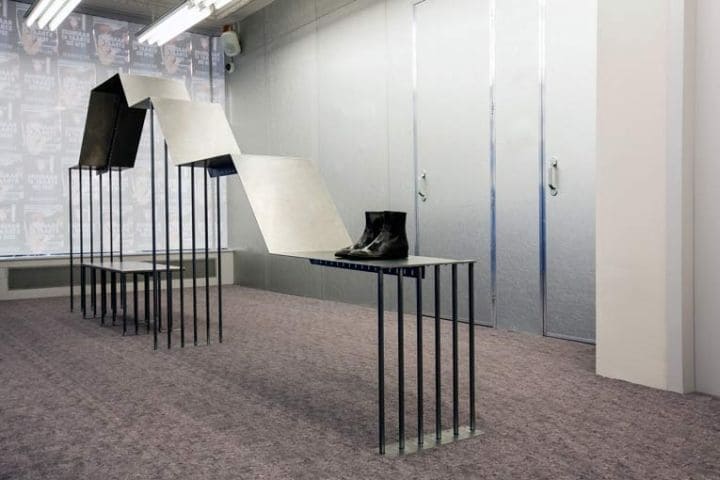
In-Store Simplification: As consumer preference for quality over quantity grows, retail stores are adapting their in-store settings to reflect that “less is more” mentality. Integrating product-free aesthetics that utilize minimalist décor and gallery-style layouts, retailers are relying less on product displays and concentrating more on an artistic visual experience. The turn toward more conceptual retail spaces speaks to the need to make the shopping experience into something unique, helping to make the purchasing process more memorable.
Trend themes
As consumers look for unique and memorable experiences, retail spaces are adopting product-free aesthetics that prioritize minimalist decor and gallery-style layouts. This trend opens up opportunities for creating shared retail spaces and immersive homeware flagships.
The rise of direct-to-consumer business models is encouraging retailers to focus on added value to the shopping experience, leading to highly innovative retail concepts characterized by ultramodern design and conceptual courtyards. There is disruptive innovation potential in creating stores that offer an immersive experience distinct from online shopping.
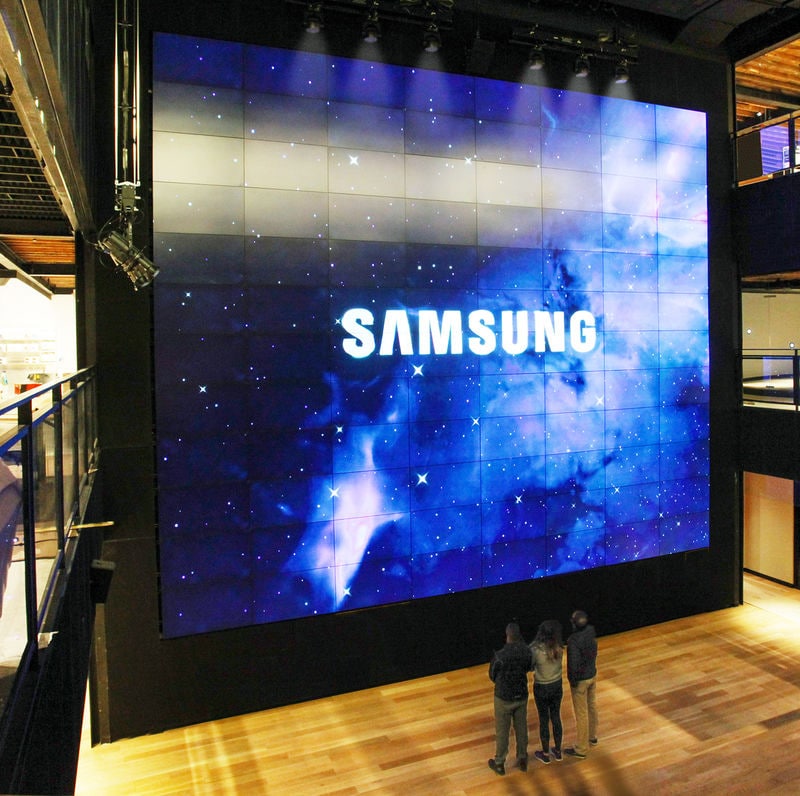
Rather than simply selling products, companies are leveraging retail outlets to deliver immersive experiences. Product-free megastores, like Samsung's New York outlet, showcase innovative digital displays and host events, providing a contrast to online shopping. This trend could lead to unique opportunities for brand exposure and experiential marketing.
Industry implications
The adoption of minimalist aesthetics and product-free spaces in retail is changing the way stores and brands present themselves to customers, encouraging them to focus on the shopping experience rather than sheer quantity of products. Disruptive innovation opportunities in this industry could include developing futuristic retail spaces and shared storefronts.
The immersive experience provided by the Porcelanosa flagship promotes the entire range of homeware products and reflects the changing face of the industry. Disruptive innovation opportunities may lie in creating more interactive homeware stores that showcase product ranges through digital displays and interactive features.
Innovative optic retail concepts and conceptual eyewear boutiques are revolutionizing the eyewear market. There is disruptive innovation potential in creating stores that offer a unique shopping experience and focus on experiential marketing, a contrast to direct-to-consumer eyewear business models such as Warby Parker and Clearly Contacts.
Workshop question
Trend signals
Trend score 3.6 out of 10, from popularity 40%, activity 61%, freshness 8%.
Evidence
The Porcelanosa Flagship in NYC is an Interactive Experience
The homeware industry can embrace interactive digital features and visual experience design to enhance the shopping experience and stand out from competitors.
The Little Dröm Store and Kki Sweets Share a Shop in Singapore
Opportunity to transform the traditional retail concept by creating shared spaces for indie brands to showcase their products.
The C_29 / Optimist Eyewear Store is a Futuristic Boutique in Greece
Opportunities for conceptual eyewear boutiques that provide immersive retail experiences and embrace the changing dynamics of the eyewear market.
The New Samsung Flagship Store Will Not Sell Any Samsung Products
Retailers can adopt the concept of product-free megastores to revitalize their physical spaces and differentiate themselves from online competitors.
Won Hundred's Outpost in Amsterdam is the Brand's First Dutch Store
Fashion retailers can explore creating boutique experiences that offer customers a memorable and unique shopping environment.