



Category
Lifestyle
Assisted Choices

Trend
Plastic 2.0: Though it is the most-used material in the world, plastic does not line up with all of consumers' needs in the modern world. To accommodate concerns such as sustainability, plastic is being reinspected and revamped by way of technology. This speaks to the importance of constant innovation.
Trend themes
The use of plastic is being reexamined to be sustainable through technology
Startups are developing technologies that reduce waste and give new life to used plastics
Companies are creating eco-friendly packaging to reduce waste and pollution
Industry implications
Packaging companies need to develop eco-friendly solutions in response to consumers' sustainable concerns
The 3D printing industry could benefit from the use of sustainable plastics and printing materials
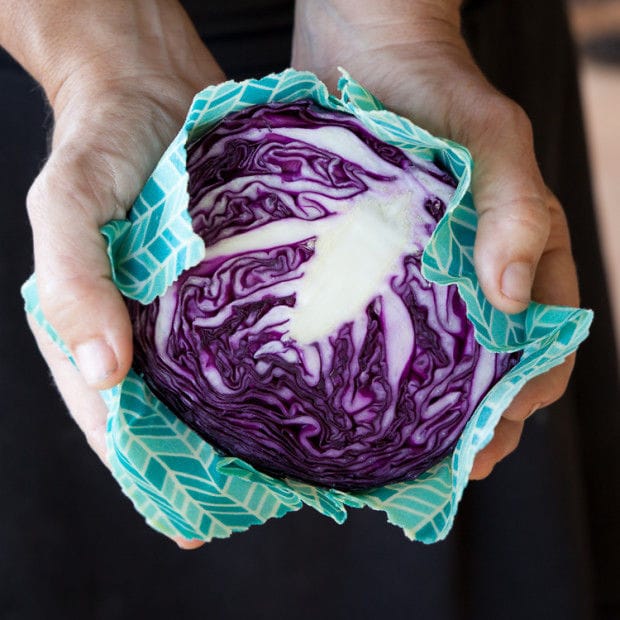
Eco-friendly packaging options, such as those made from beeswax, could appeal to environmentally-conscious food companies
Workshop question
Trend signals
Trend score 4.8 out of 10, from popularity 68%, activity 68%, freshness 8%.
Evidence
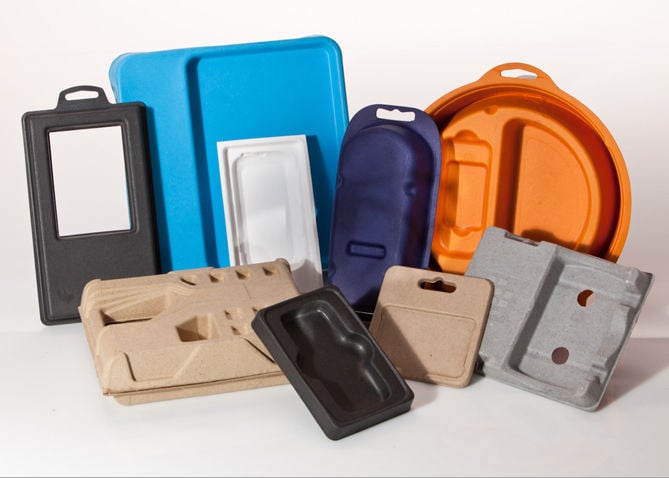
Be Green Packaging Offers Eco-Friendly Solutions for Consumer Goods
Be Green's sustainable and compostable packaging offers a disruptive innovation opportunity for the packaging industry to address plastic pollution and sustainability concerns.
This Honeybee-Based Product is a Natural Alternative to Plastic Wrap
The HoneyBee Wrap introduces a new approach to food packaging, paving the way for innovative packaging solutions in the industry.
Dimension Polymers' Additive Print Material Uses Recycled Plastic
Dimension Polymers' sustainable 3D printing filament disrupts the industry by providing an environmentally friendly and cost-effective alternative to traditional plastic filaments.
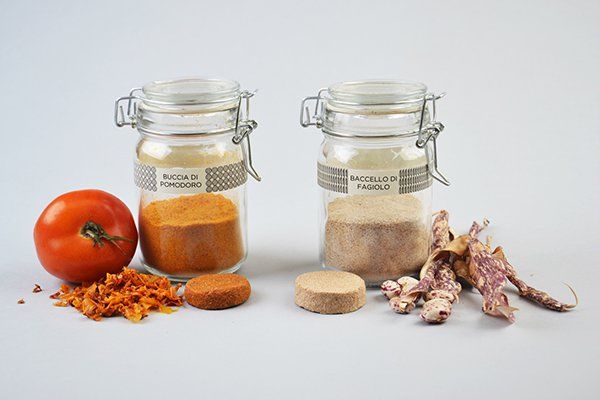
Agridust Reduces 3D Printing Waste by Using Food Scraps and Compost
The use of Agridust as a sustainable and biodegradable material opens up opportunities for eco-friendly 3D printing.






