

Category
Lifestyle
Baseline Support
New spirits frame flavor through wood and crop choices.
What's Happening
Source Signatures: Brands are treating barrel selection and grain sourcing as consumer-facing features rather than back-end technical details. Recent whiskey releases are distinguishing themselves through production inputs such as multi-oak finishing, wine-linked maturation cues, and rye-led recipes. These choices are presented as shaping taste in more specific ways than a standard age statement alone.
Why It's Happening
A culture of disposability and overconsumption is pushing many to prioritize high-quality production details that feel both artisanal and legible. This is informing purchasing decisions, as individuals are increasingly looking for concrete cues that signal the provenance not only of origin but also of how ingredients were grown and how flavor was built. Such production details help translate craft into something consumers can discuss, collect, or serve with more confidence.
Evidence
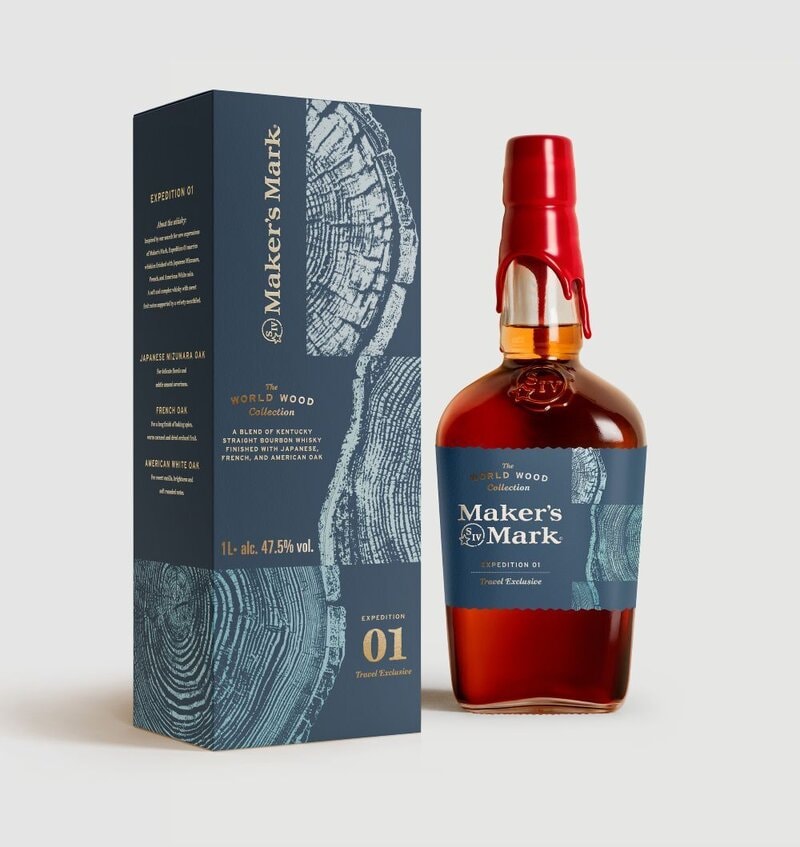
Maker’s Mark Combines Three International Oaks in One Whisky
Bourbon and whisky producers can use unconventional finishing programs to create new sensory profiles while reinforcing craft credentials.
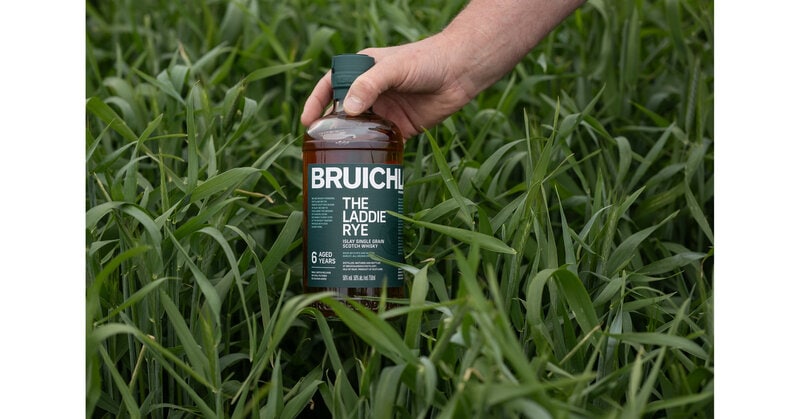
Bruichladdich Uses Islay Rye to Support Long-Term Soil Health
The category is gaining room for agricultural storytelling as producers use grain origin, farming methods, and regional identity to separate releases in crowded premium markets.
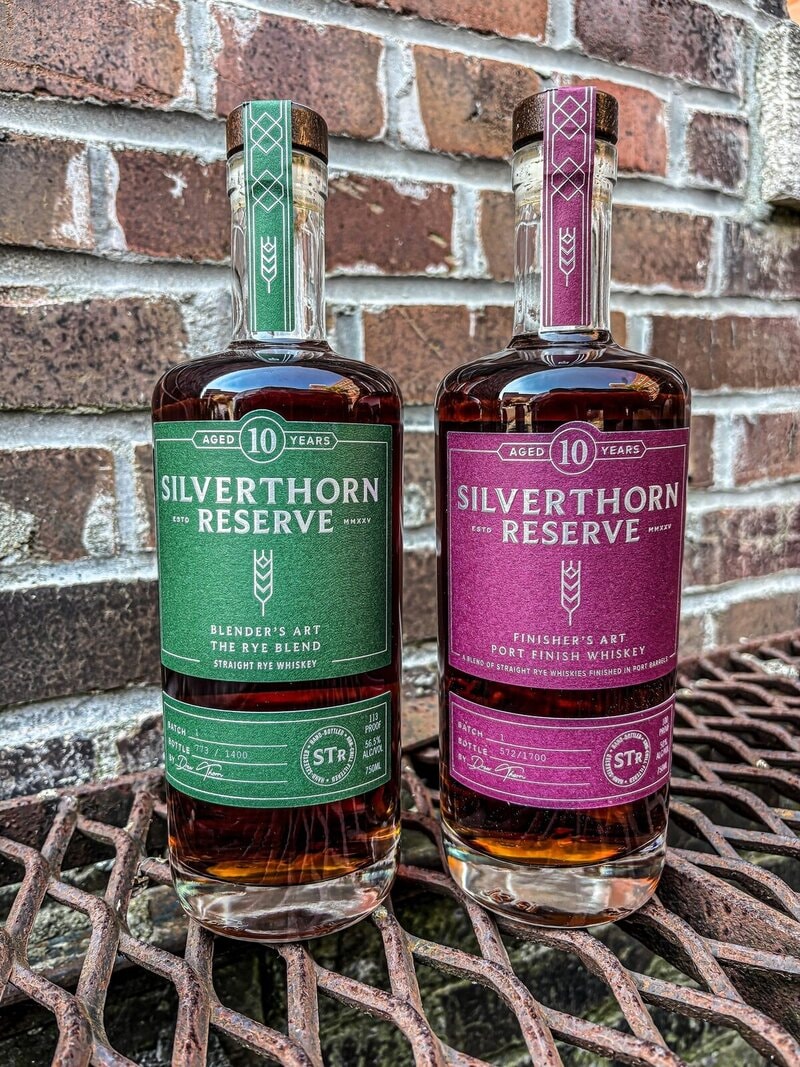
Silverthorn Reserve Pairs 10-Year Rye with Port Finishing
Aged rye expressions with distinct finishing approaches expand premium shelf segmentation and support more precise consumer trade-up decisions.
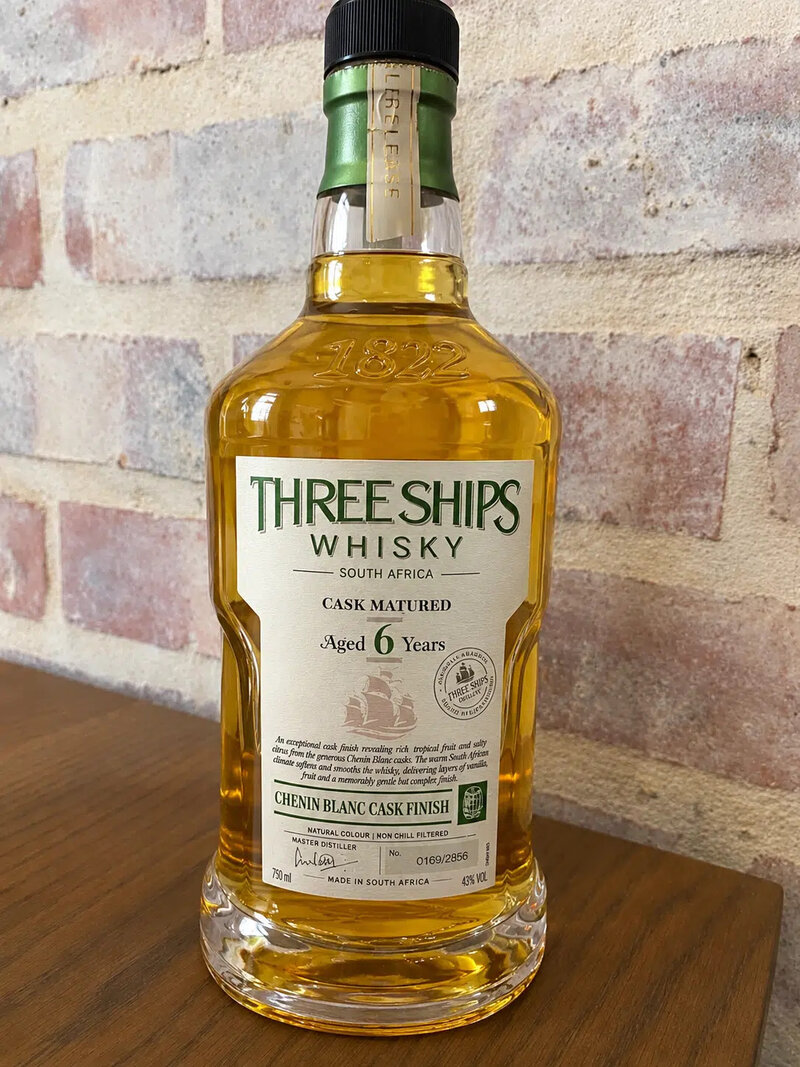
Three Ships' 6-Year-Old Dram Gets a Chenin Finish
Producers can expand premium portfolios through unconventional cask programs that modernize familiar oak-aged formats without alienating mainstream drinkers.
Workshop question
How could your brand turn behind-the-scenes inputs into a clearer customer-facing point of difference?
Trajectory
Latest reading 7.1 for the week of Oct 26, 2026. Rising over the final 3 scored weeks (+1.7), −0.9 from its peak of 8.0 in the week of Oct 19, 2026. Momentum 4.0/10, persistence 2.5/10.
Trend themes
Specific grains, farm sources, and crop choices are becoming premium signals that create room for spirits brands to differentiate through transparent agricultural narratives rather than age or rarity alone.
Wood type, prior barrel contents, and finishing sequences now function as visible flavor architecture, opening space for more modular, collectible, and occasion-specific spirit expressions.
Soil health, rotational crops, and local farming partnerships are reshaping provenance into an environmental quality marker that can add value beyond regional origin claims.
Industry implications
Premium spirits, wine, and beer producers are finding new differentiation in production inputs that make craft processes easier for consumers to taste, compare, and discuss.
Regenerative grain systems and traceable crop sourcing are becoming more commercially relevant as food and beverage brands link agricultural practices with product quality.
Airport-exclusive launches and globally themed releases create premium discovery moments where limited distribution can turn production details into high-margin purchase triggers.
25 Trend Hunter articles were grouped into the wider weekly cluster this trend was identified in, over 5 weeks.
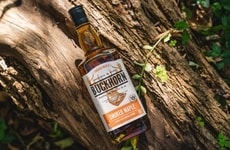 Seasonal Whiskey BottlesBuckhorn Adds a Smoked Maple Whiskey Timed to Buck Hunt Events
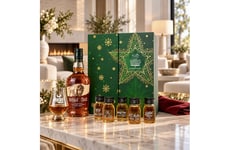 Spirits-First Advent CalendarsCask Cartel Packs 25 Whiskey Pours Into a Holiday Calendar
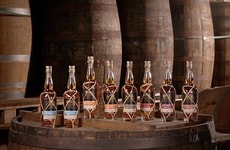 Retailer-Exclusive Rum CasksPlanteray Lets Shops Pick a Cask from Eight Rum Expressions
 Pinot-Cask Irish WhiskeysMidleton Finishes Green Spot in Quails' Gate Casks
 Australian Whisky BottlesArchie Rose Brings Three Expressions to U.S. Shelves
 Fantasy Tie-In WhiskiesLord Of The Rings Anniversary Whisky Arrives In The UK
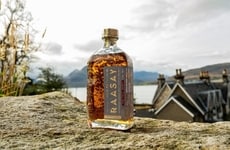 Sherry-Finished Single MaltsIsle of Raasay Finishes Rye-Cask Whisky in Amontillado Sherry
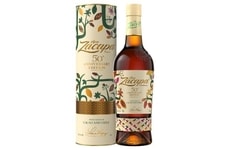 Cacao-Charred Anniversary Rum BottlingsZacapa Marks 50 Years With a Guatemalan Cask Finish
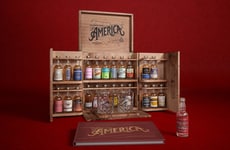 American Whiskey SamplersGravity Drinks Packs 24 Bottles into a Whiskey Tour
 20-Year Jamaican RumsWorthy Park Bottles 20 Years Old at 55% ABV
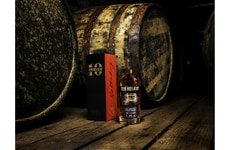 Aged Whiskey BottlesHolladay Distillery Marks 170 Years with an Onsite-Aged 10 Year Bourbon
 Prestige Blended ScotchJohnnie Walker Vault Blends Brora Casks From Before and After Shutdown
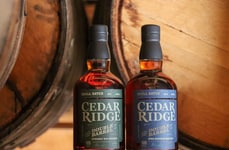 Iowa Multi-Cask BourbonsCedar Ridge Blends Five Finishes into Anniversary Edition Bourbon
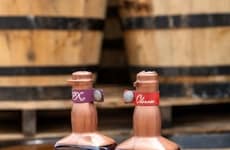 Texas Sherry-Finished BourbonsGarrison Brothers Pairs Ranch Reserve with Oloroso and PX Casks
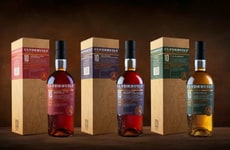 Shipbuilding-Inspired Single MaltsClydebuilt Expands Its Scotch Range With Three Single Malt Bott
 Heritage Whiskey BottlingsLost Lantern Maps George Dickel Through Ten Bottlings
 Inflight Bourbon PartnershipsBrother's Bond Adds 50ml Bourbon to JetBlue Flights
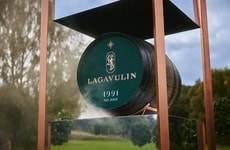 Private-Sale Whisky CasksDiageo Offers Lagavulin 1991 for Further Maturation
 Illustrated Whisky BottlesHighland Park and Laila Gohar Reframe Tasting with Artwork
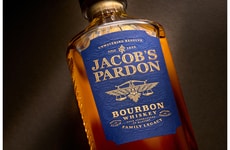 Multi-State Bourbon BottlesJacob's Pardon Makes Bourbon for Neat Pours and Cocktails
 Warehouse-Selected Bourbon BottlesOld Forester Ties Birthday Bourbon to Warehouse B