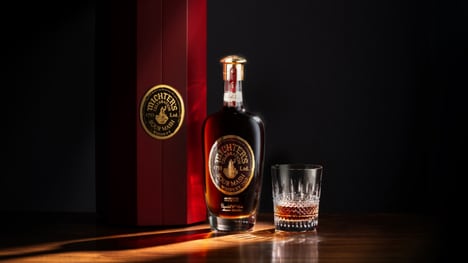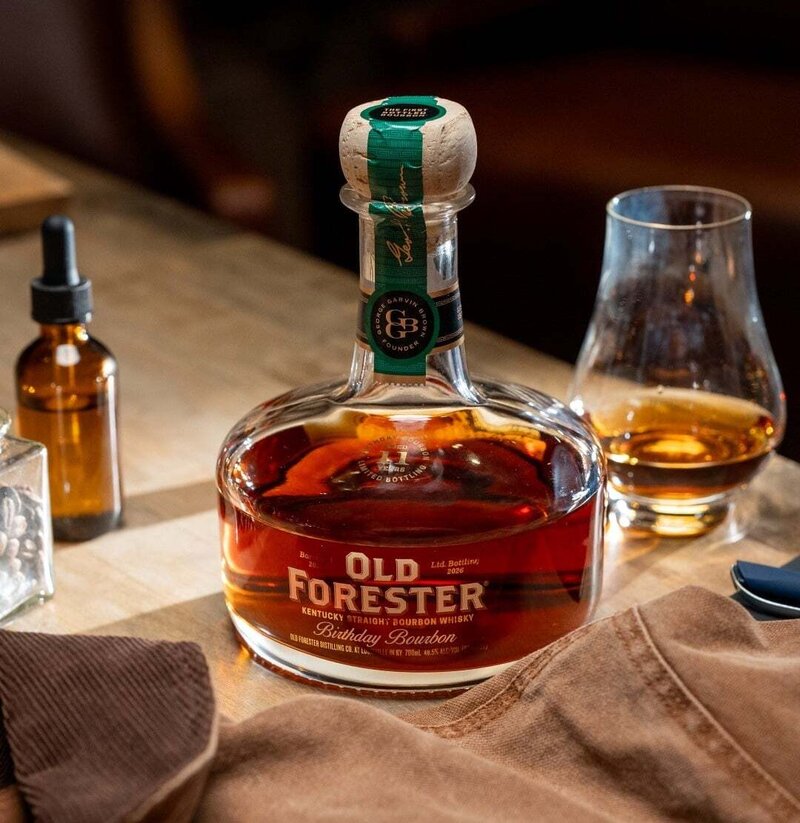
Old Forester's 'Birthday Bourbon 2026 Edition' offers whiskey fans a once-a-year pour with a warehouse-specific backstory they can actually follow. The annual bourbon leans on place as much as age, making provenance part of the appeal for collectors and curious drinkers alike.
The 11-year bourbon was crafted from 212 barrels drawn from Warehouse B at Brown-Forman's Shively distillery. Because Warehouse B is the site's oldest warehouse, the bottle also carries a bit more heritage than a standard annual drop. That tighter sourcing makes the release feel more curated than generic, keeping the Birthday Bourbon ritual tied to a single aging spot.
For shoppers, this means the hunt centers on a bourbon with a clear origin story rather than a flashy label. Annual bottles without that level of specificity can feel less special when scarcity is supposed to evoke a real sense of place.
Image Credit: drinkhacker.com
What's Driving This Trend
- Provenance-driven Spirits
- Clear warehouse, barrel, and aging-location details are turning spirits into traceable collectibles where storytelling creates premium differentiation beyond age statements.
- Single-site Limited Releases
- Scarcity tied to one identifiable production location gives annual drops a more authentic sense of rarity and strengthens collector appeal.
- Heritage-led Product Curation
- Historic facilities and legacy production assets are becoming brand value drivers that transform routine releases into culturally resonant rituals.
Who This Affects Most
- Alcoholic Beverages
- Premium whiskey brands can use hyper-specific sourcing narratives to deepen consumer trust and justify higher-value limited editions.
- Luxury Goods
- Collectors increasingly favor products with verifiable origin stories, creating openings for provenance-based exclusivity across high-end categories.
- Retail
- Specialty retailers benefit from limited products with transparent backstories that make discovery, allocation, and purchase journeys feel more meaningful.