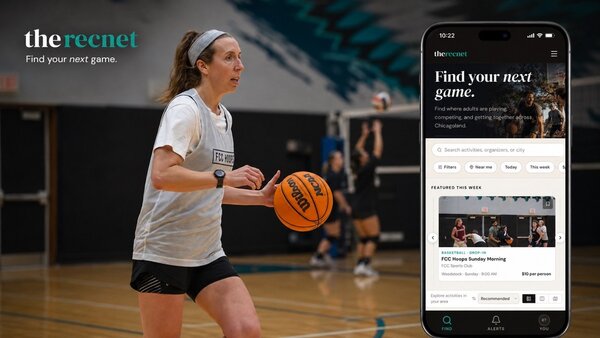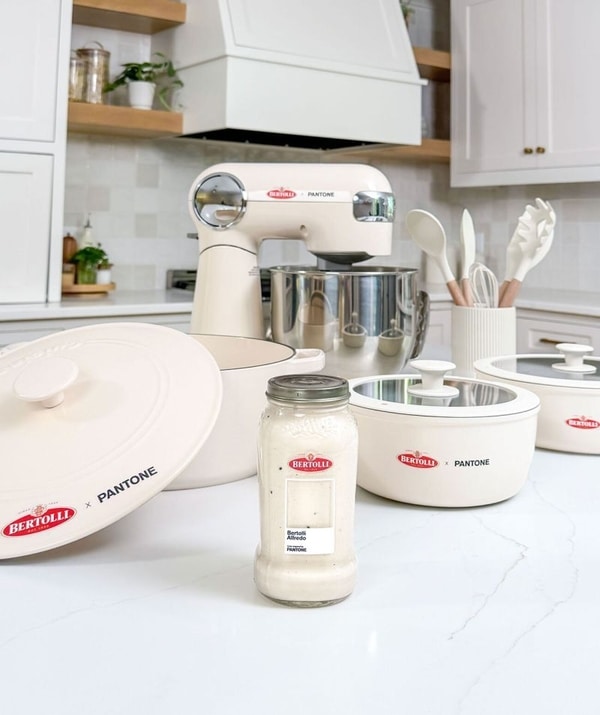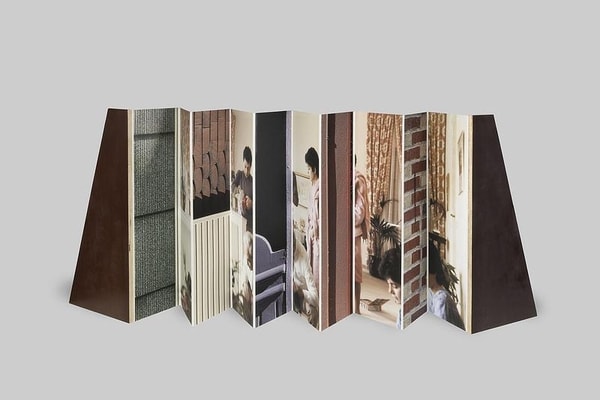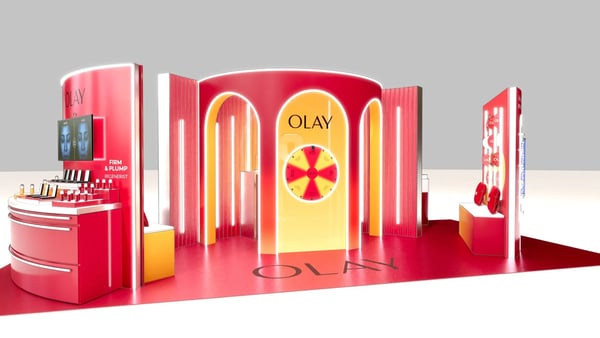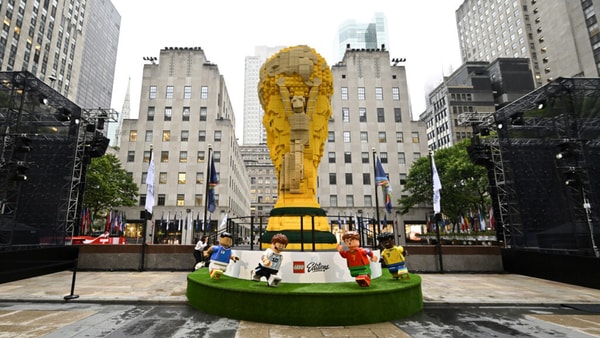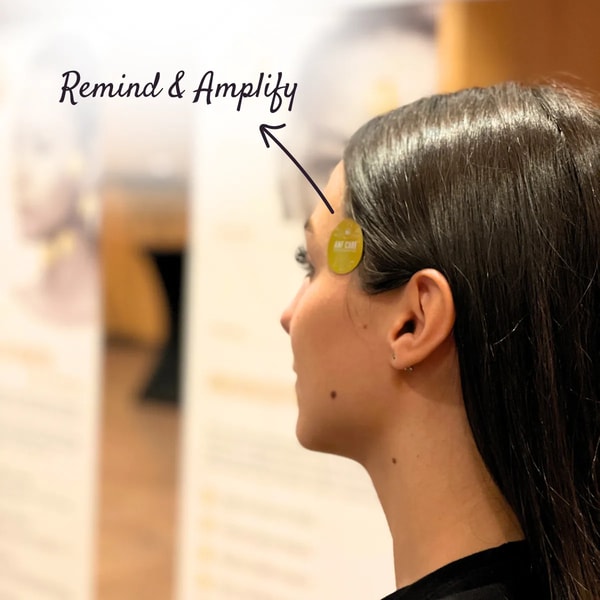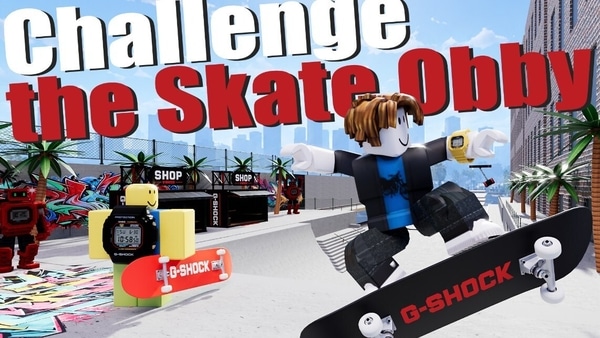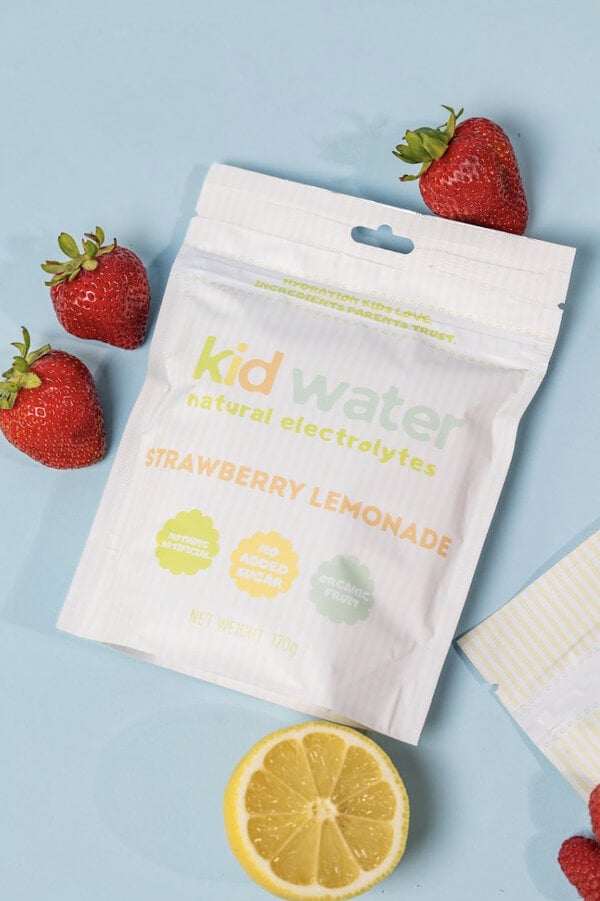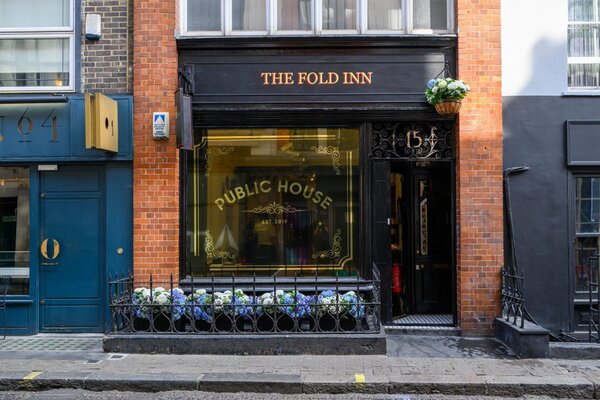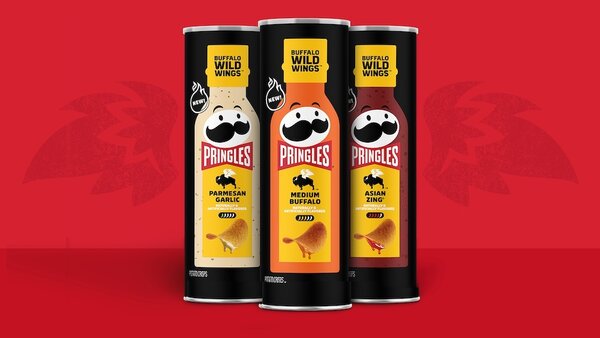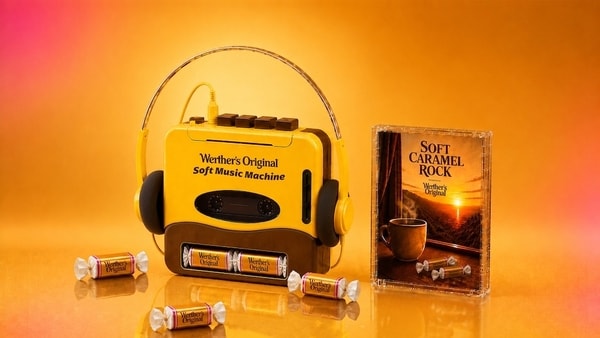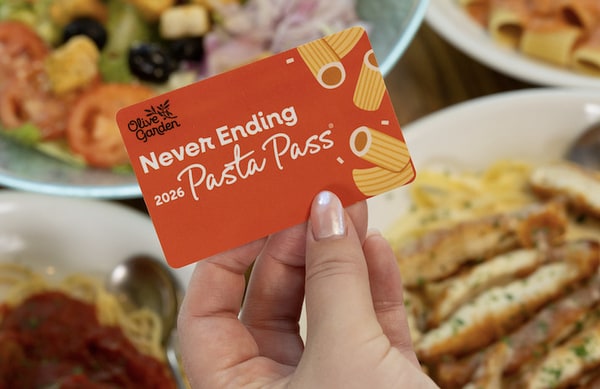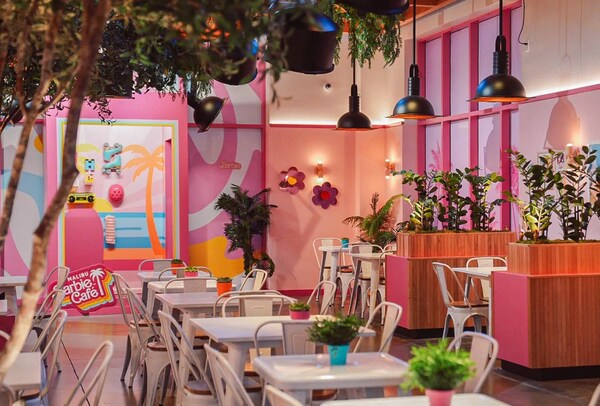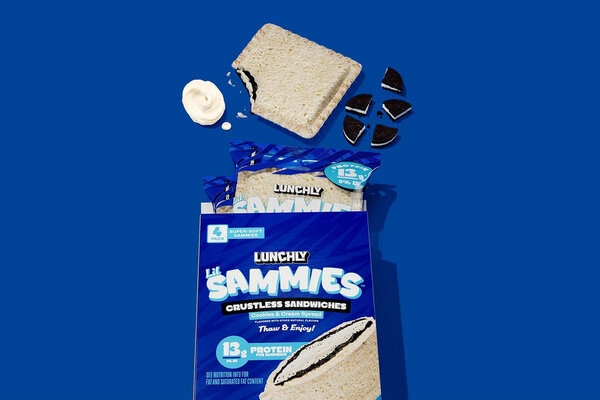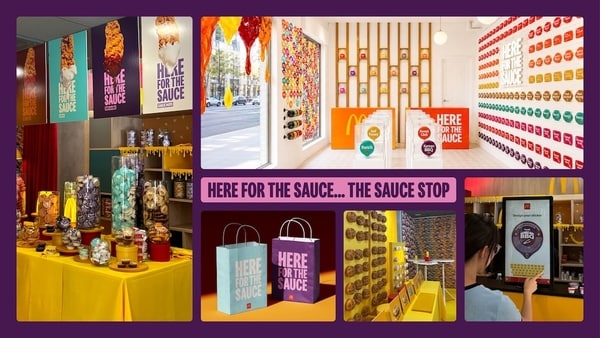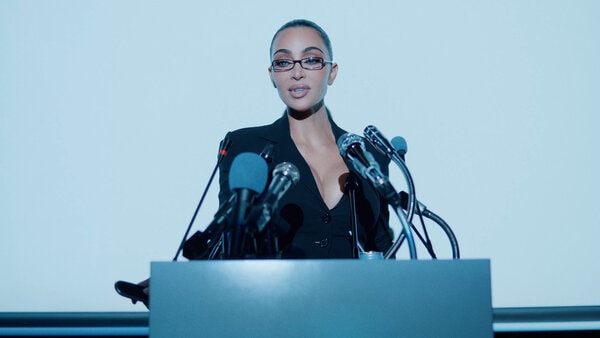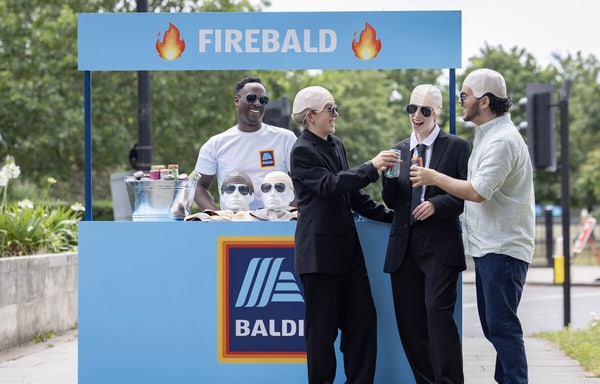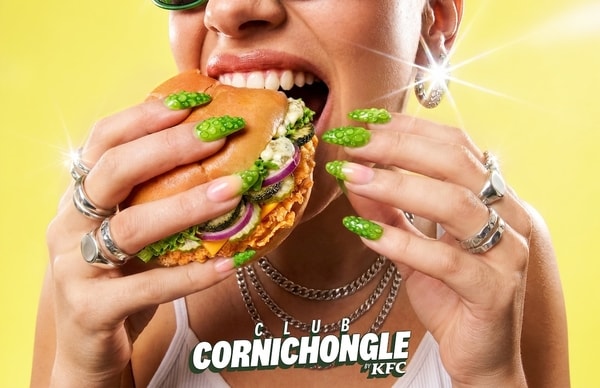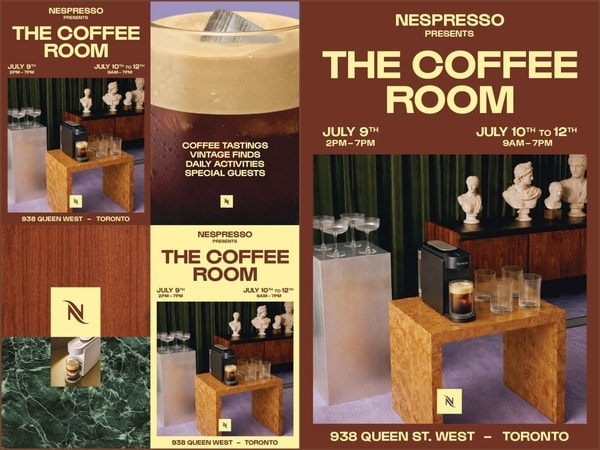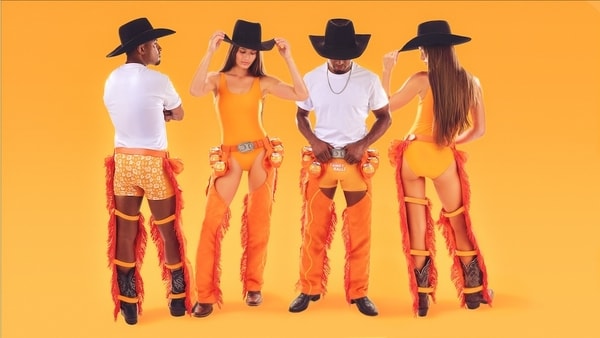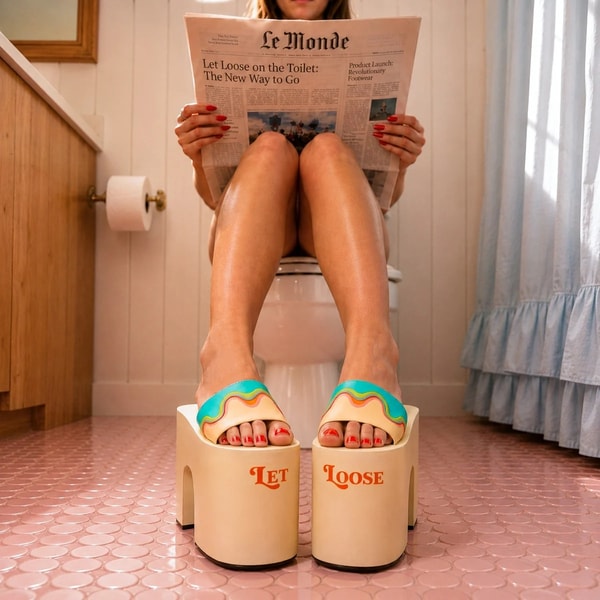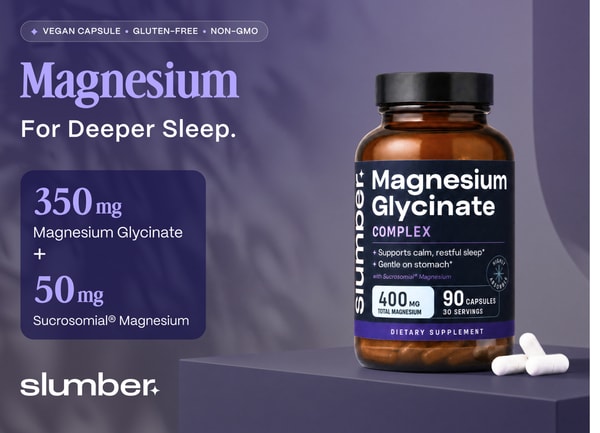
August 2026 marketing trends reveal how brands are blending cultural relevance, experiential engagement and data-driven personalization to create more memorable consumer interactions. Rather than relying on traditional advertising alone, marketers are building campaigns that integrate products, entertainment and community participation across multiple touchpoints. Trends such as AI-powered marketing systems, content gap analysis and consumer feedback-informed supplement lines demonstrate how brands are using consumer insights to refine messaging and accelerate product development. Experiential strategies remain a major focus through community-forward coffee spaces, foldable-themed pop-up pubs, wearable technology expansions and artist books-inspired exhibitions, giving consumers immersive ways to engage with brands beyond digital channels.
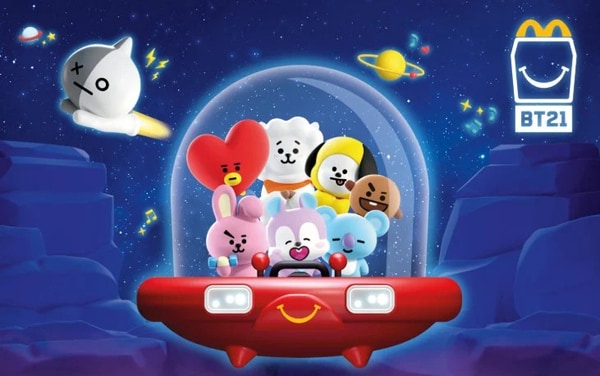
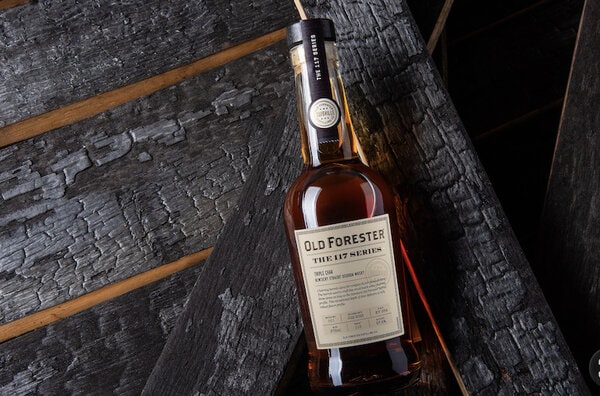
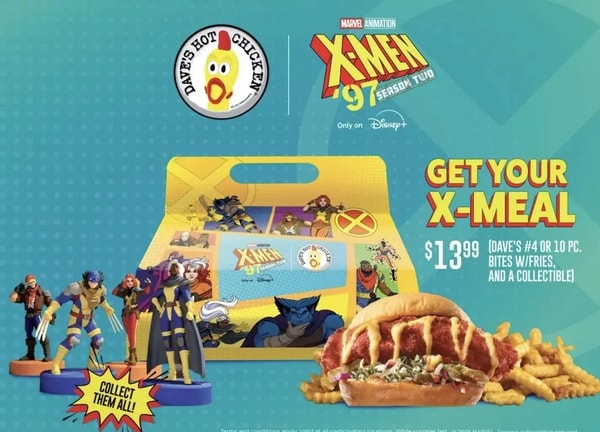
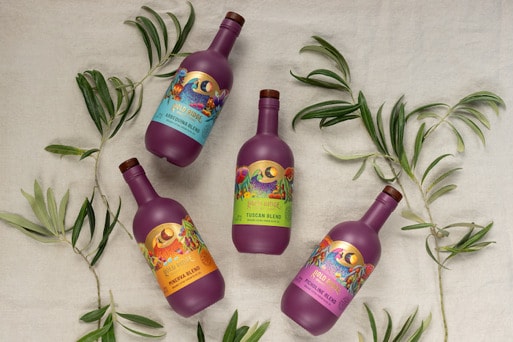
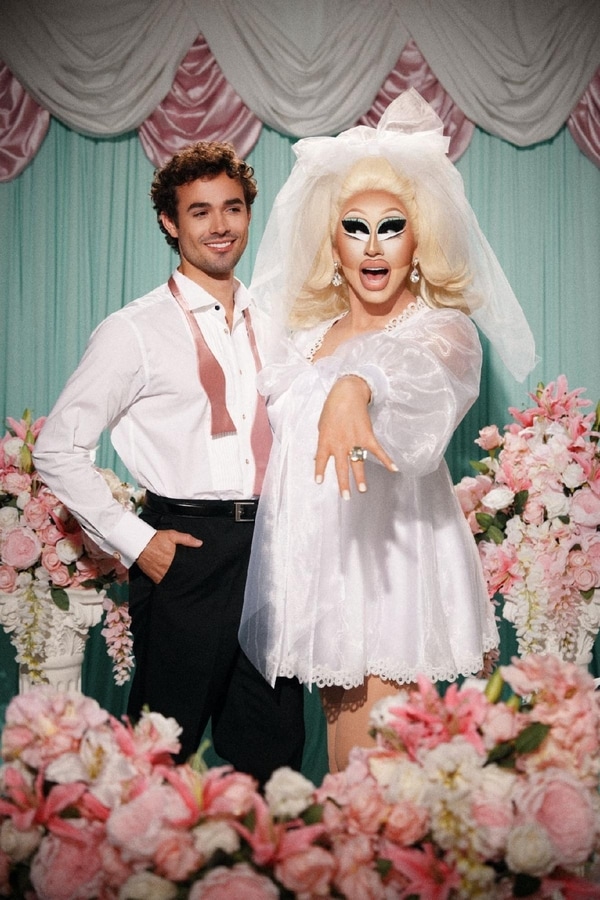
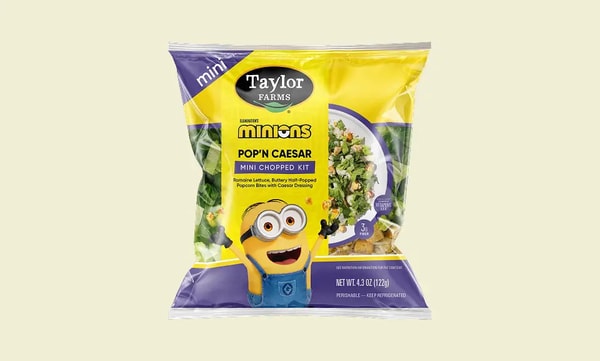
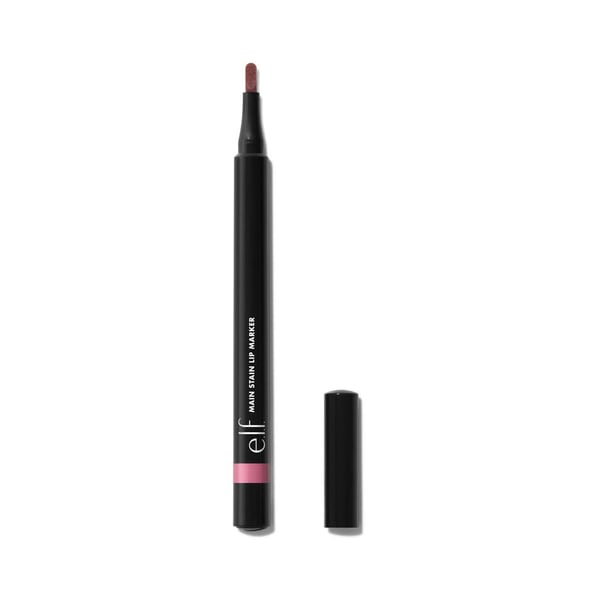
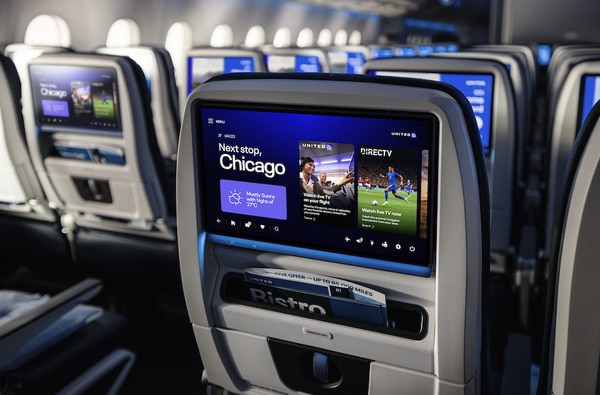
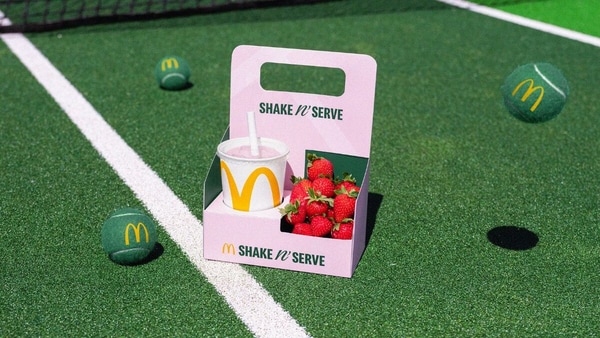
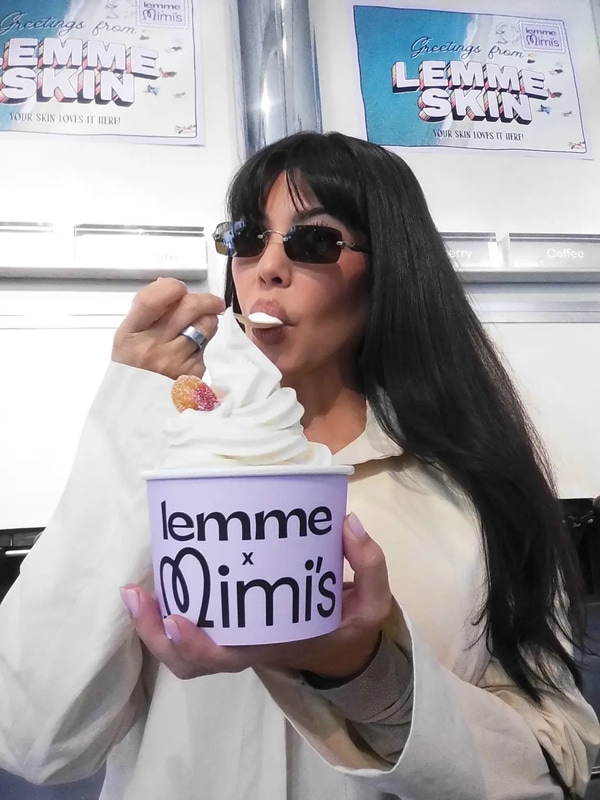
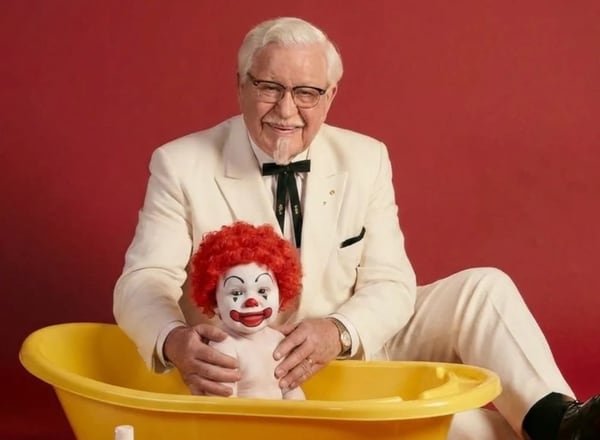
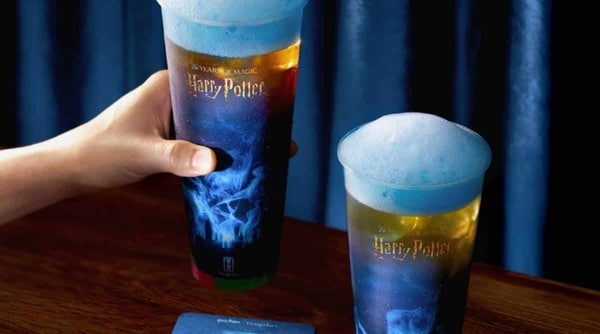
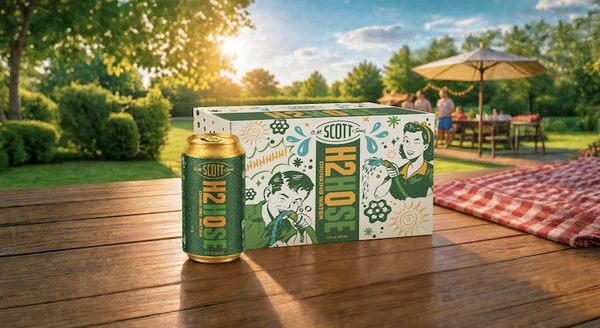
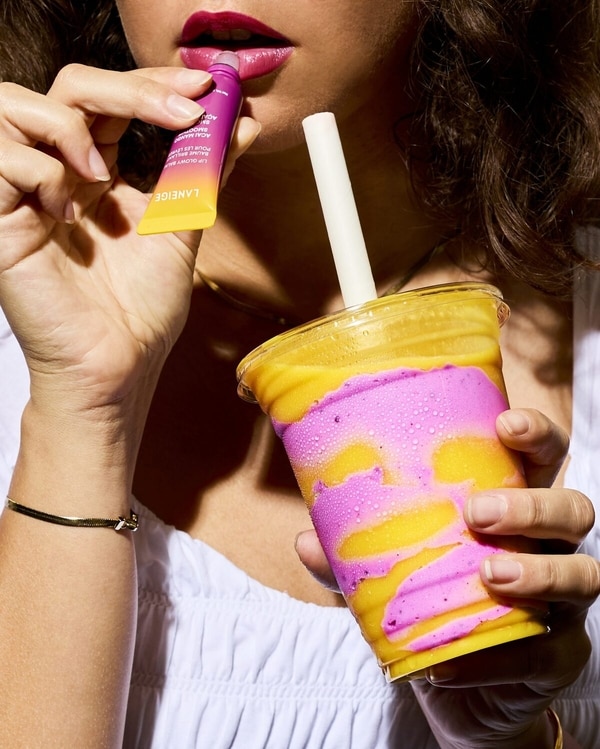
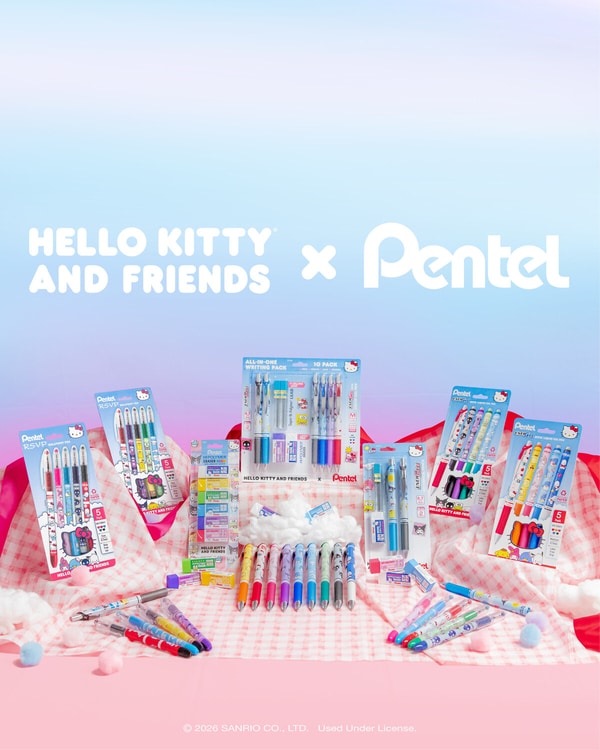
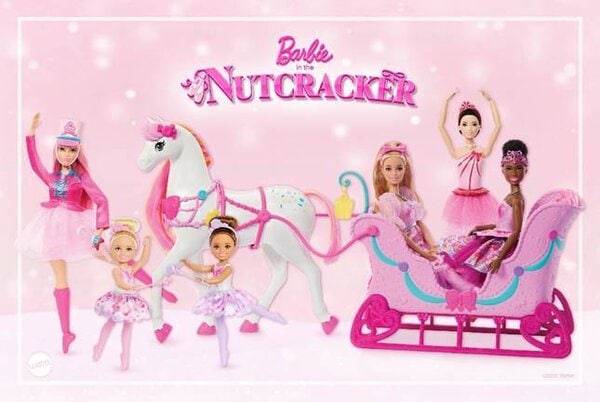
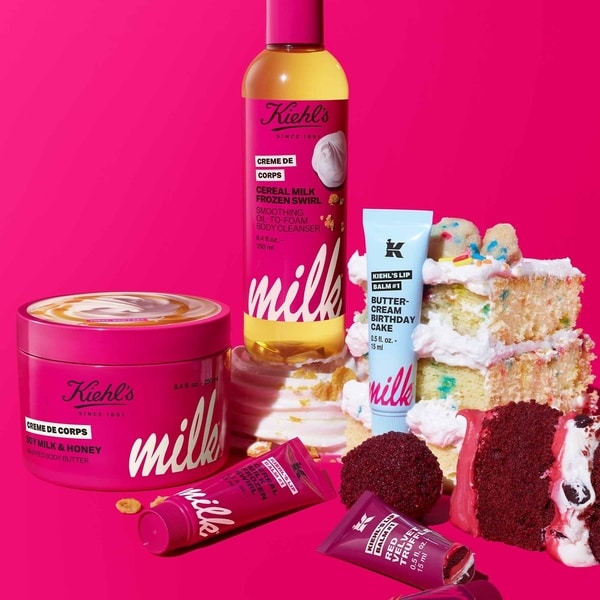
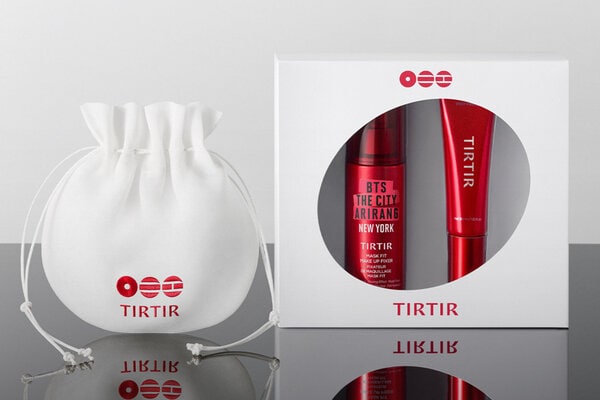
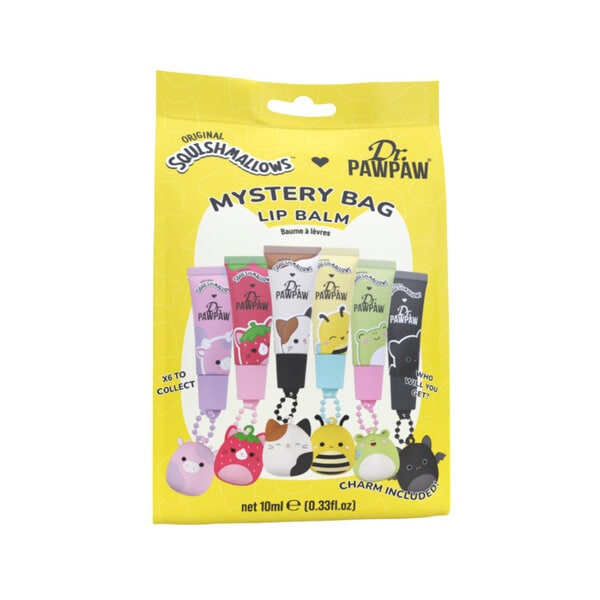
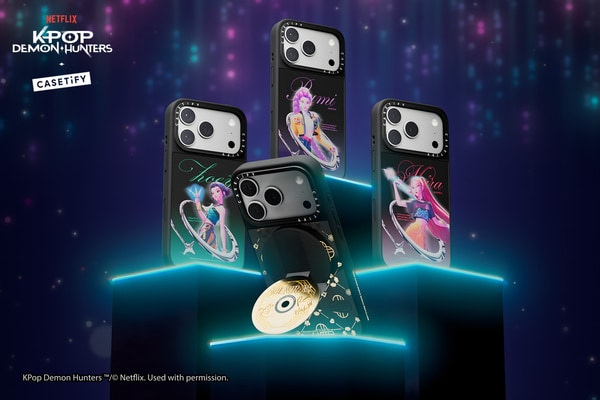
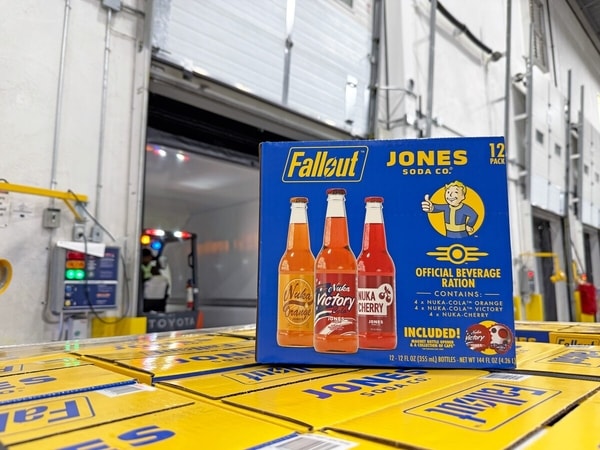
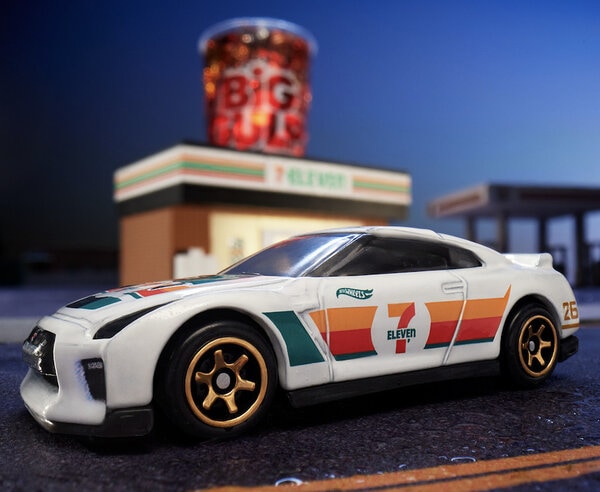
Meanwhile, nostalgia and pop culture continue to shape campaigns, with K-pop kids meal collaborations, 90s-inspired QSR meals, limited-edition bourbon whiskies and character-inspired cosmetic collections generating excitement through familiar cultural references. In addition, smart beer billboards and on-flight live television streaming illustrate how advertisers are reaching audiences in increasingly unexpected environments. Collectively, these developments show that successful marketing is becoming more experience-led, insight-driven and culturally connected, enabling brands to build stronger emotional relationships while standing out in an increasingly competitive marketplace.
- Gen Z
- Gen Alpha
- Millennial (primary audience)
- Gen X (primary audience)