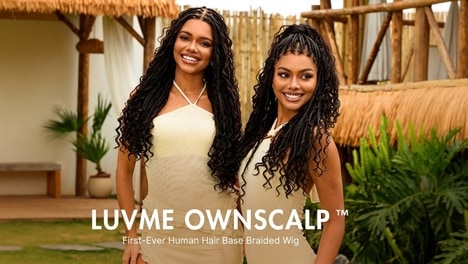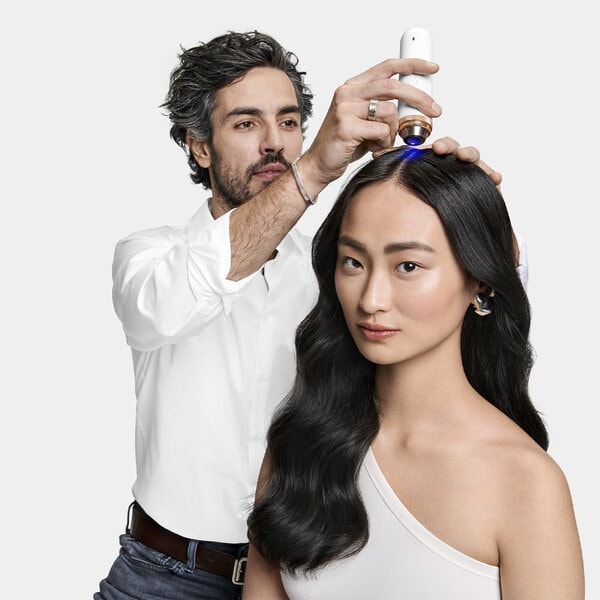
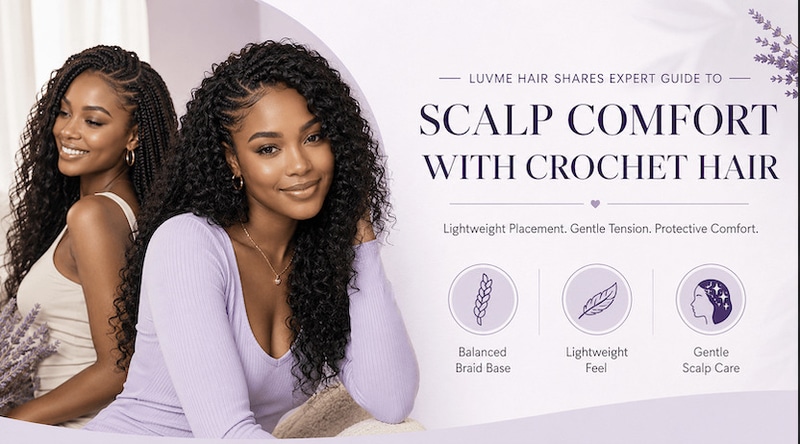
Luvme Hair — a beauty brand specializing in human hair wigs, extensions, crochet hair, and protective styling solutions — has released an expert guide focused on scalp comfort for crochet hair wearers. This venture addresses how factors such as installation technique, extension weight, placement, cleansing practices, and maintenance routines can significantly influence the overall comfort and health of a protective style.
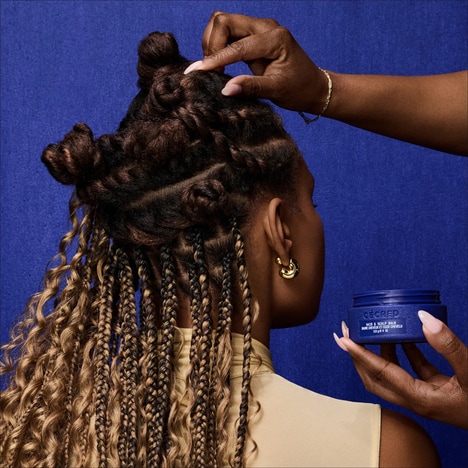
Luvme Hair's guide emphasizes that a successful crochet hair installation begins with a balanced braid foundation, where cornrows should lie flat and secure without producing persistent pulling around the hairline, crown, or nape. The guide advises wearers to assess the tightness of the braid base before adding any extension hair, as an overly tight foundation will not become more comfortable after additional weight is applied. Regarding extension placement and weight, the company recommends spacing pieces evenly and adjusting the amount of hair according to texture and length.
Image Credit: Luvme Hair
What Makes This Trend Stand Out
- Comfort-first Protective Styling
- Scalp-friendly installation guidance creates space for beauty brands to differentiate protective styles through wellness-centered education and fit personalization.
- Lightweight Hair Extension Design
- Weight-conscious crochet hair products reflect demand for extensions that balance aesthetic volume with reduced tension and longer-term wearability.
- Maintenance-led Beauty Content
- Expert care guides are becoming valuable brand assets as consumers seek practical routines that connect product use with comfort, hygiene, and hair health.
Sectors Adopting This
- Hair Care
- Protective styling education expands the hair care market beyond products into comfort diagnostics, maintenance systems, and scalp-health support.
- Beauty Retail
- Retailers can benefit from pairing crochet hair assortments with instructional content that improves customer confidence and reduces post-purchase dissatisfaction.
- Wig and Extension Manufacturing
- Manufacturers have opportunities to develop lighter, ergonomically designed hair pieces that address tension, placement, and breathable wear.