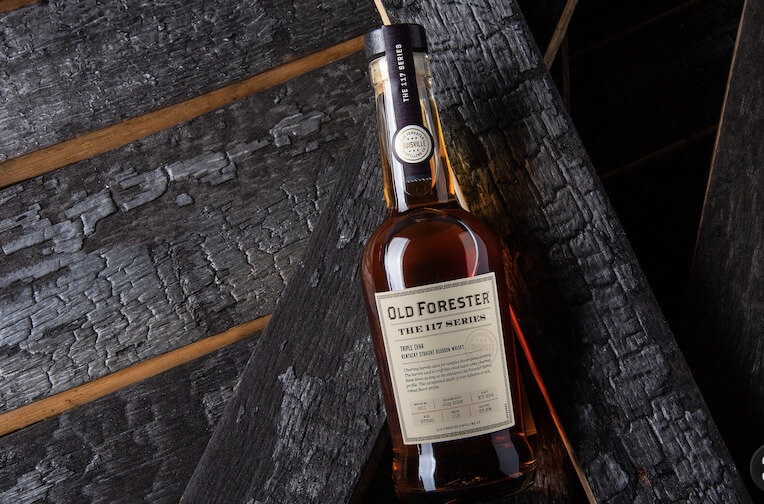
Old Forester has announced Triple Char Kentucky Straight Bourbon Whisky — the newest limited-edition expression within its acclaimed 117 Series.
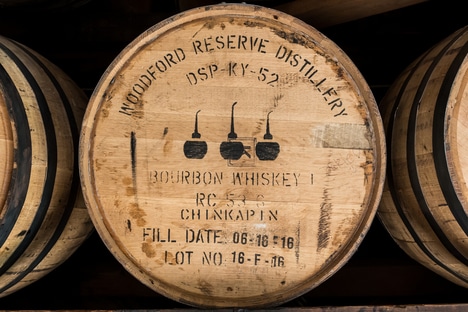
The Triple Char Kentucky Straight Bourbon Whisky distinguishes itself through two notable production details that will appeal to bourbon enthusiasts and collectors alike. The first lies in the maturation process, where the whiskey is aged in barrels that undergo a charring procedure three times longer than the distillery's standard specification. The technique serves to intensify the interaction between the liquid and the wood to produce a bolder profile with deepened oak characteristics and greater complexity. The second, perhaps more historically significant, aspect is that Triple Char represents the first Old Forester expression crafted entirely from whiskey distilled at the company's downtown Louisville facility on historic Main Street, which opened in 2018 as a working distillery and tourist destination.
Image Credit: Old Forester
Part of the cluster
Boundary Stretching
Distillers recast whiskey through adjacent cues and cultural ties
Explore the cluster


Why This Trend Is Growing
- Extended-char Aging
- Longer barrel charring techniques are creating differentiated flavor profiles that give premium spirits brands new ways to stand out in a crowded collectible market.
- Destination-distilled Releases
- Whiskies tied to high-profile distillery locations blend tourism, provenance, and product storytelling into limited offerings with stronger experiential value.
- Collector-focused Bourbon
- Scarce, series-based expressions are elevating bourbon from a beverage purchase into a prestige-driven collectible category with recurring demand.
Industries Being Reshaped
- Alcoholic Beverages
- Premium spirits producers are using process-led differentiation and limited availability to support higher-margin product extensions.
- Travel and Tourism
- Working distilleries with exclusive product narratives are becoming cultural destinations that connect visitors to place-based luxury consumption.
- Luxury Retail
- Limited-edition bourbon releases are expanding opportunities for collectible inventory, gifting, and status-oriented consumer experiences.