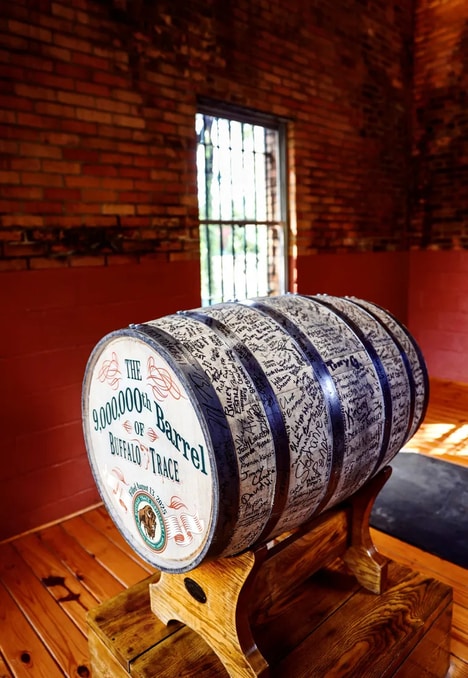
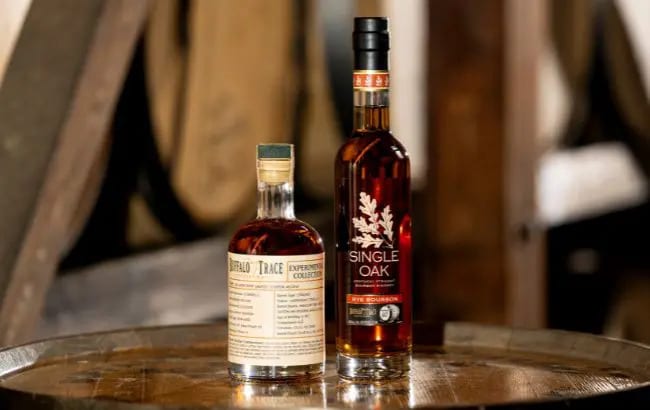
Buffalo Trace Distillery introduced Single Oak Rye Bourbon as a permanent line in its Single Oak Project, featuring barrels made from specific sections of hand-selected oak and replicating the mash bill and aging conditions of consumer-selected Barrel #80. The inaugural Single Oak Rye entered the barrel at 62.5% ABV, was aged eight years in a concrete-floored warehouse and bottled at 45% ABV.
Alongside the Single Oak debut, Buffalo Trace added a 28th Experimental Collection release: Low Entry Proof Wheated Bourbon, a study of lower barrel entry proof. That wheated expression was filled at 52.5% ABV and bottled at 53.5% ABV, with tasting notes of caramel, brown spice, leather and dried fig; both releases ship in 375ml bottles this April.
The moves matter because they translate longrunning research into shelf-ready brands, giving consumers access to lab-style variations in focused formats. By turning the Single Oak Project into a permanent offering and continuing entry-proof experiments, Buffalo Trace is making method-driven provenance and tasting education central to premium bourbon purchasing.
Image Credit: Buffalo Trace Distillery
What Makes This Trend Stand Out
- Oak-section Single-barrelization
- Barrel selection by specific oak sections highlights a move toward hyper-segmented flavor profiles that enable product lines based on micro-terroir distinctions.
- Lab-style Provenance Education
- Consumers are shown detailed experimental provenance and tasting data, creating appetite for transparent, research-driven narratives that justify premium pricing.
- Entry-proof Experimentation
- Systematic variation of barrel entry proof is yielding distinct sensory outcomes, suggesting formulation-led subcategories within established bourbon styles.
Sectors Adopting This
- Premium Spirits Retail
- Smaller format, experiment-focused releases create shelf programs and direct-to-consumer channels centered on collectible, educational bottlings.
- Cask Manufacturing and Oak Sourcing
- Demand for barrels made from precise oak sections and traceable wood supplies points to opportunities for specialized cooperages and provenance-certified timber supply chains.
- Food and Beverage Education Technology
- Interactive tasting content and data-driven provenance platforms become complementary experiences for consumers seeking deeper understanding of experimental spirit releases.