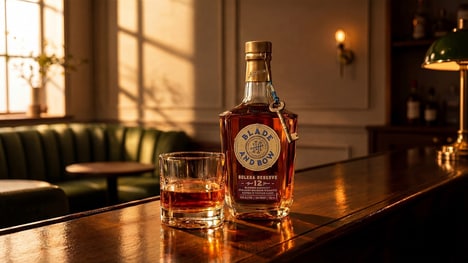
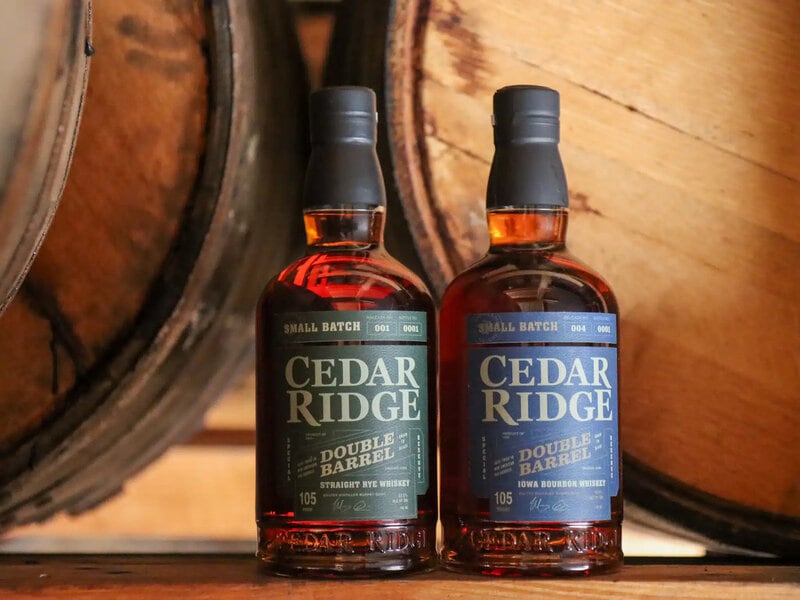
Cedar Ridge's 2026 Anniversary Edition Bourbon turns the distillery's mature Iowa whiskey into a yearly bottle for bourbon drinkers. Because Cedar Ridge also runs a winery, this version spends time in five finishing barrels, giving the pour a deeper fruit-and-spice profile before it reaches the glass.
Madeira and Napa Cabernet do much of the shaping, pulling in dark fruit, wine-soaked richness, and a tart snap that shifts into caramel and vanilla. The result is a busy sip that moves from jammy sweetness to peppery spice, with just enough classic bourbon character still peeking through.
Making Anniversary Edition an annual release gives Cedar Ridge a recurring home for these finish-led blends rather than leaving the label as a one-time 20th anniversary bottle. Bottled at 112 proof and priced at $65, the edition offers a sturdy, cask-driven pour within a series the distillery now plans to revisit each year.
Image Credit: Cedar Ridge
Why This Trend Is Growing
- Multi-cask Finishing
- Layered barrel programs are expanding flavor architecture in American whiskey, creating room for distilleries to differentiate through complex wine, fortified wine, and specialty cask combinations.
- Annual Limited Releases
- Recurring special-edition bottles are turning one-time commemorative products into predictable collector rituals that support loyalty, anticipation, and premium pricing.
- Winery-distillery Hybrids
- Cross-category producers with access to both wine and whiskey assets can develop distinctive maturation pipelines that blur beverage boundaries and elevate regional identity.
Industries Being Reshaped
- American Whiskey
- Premium bourbon makers are using secondary maturation and higher-proof releases to compete beyond age statements and unlock new sensory positioning.
- Wine Production
- Used wine barrels are gaining added commercial value as flavor-transfer tools for spirits brands seeking fruit, tannin, and acidity-driven complexity.
- Craft Spirits
- Smaller distilleries are finding differentiation in localized ingredients, hybrid production capabilities, and limited recurring formats that challenge mass-market whiskey conventions.