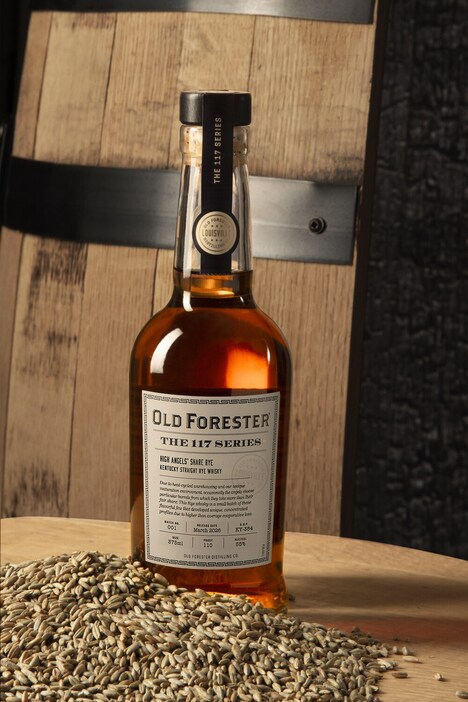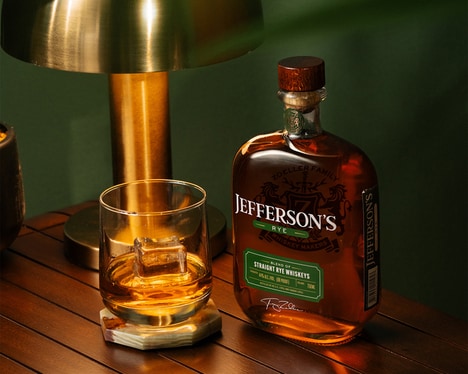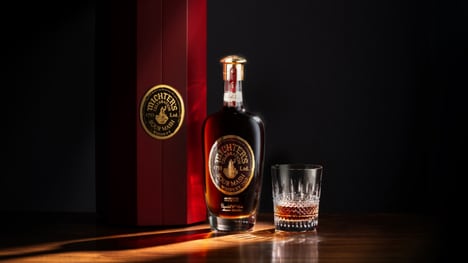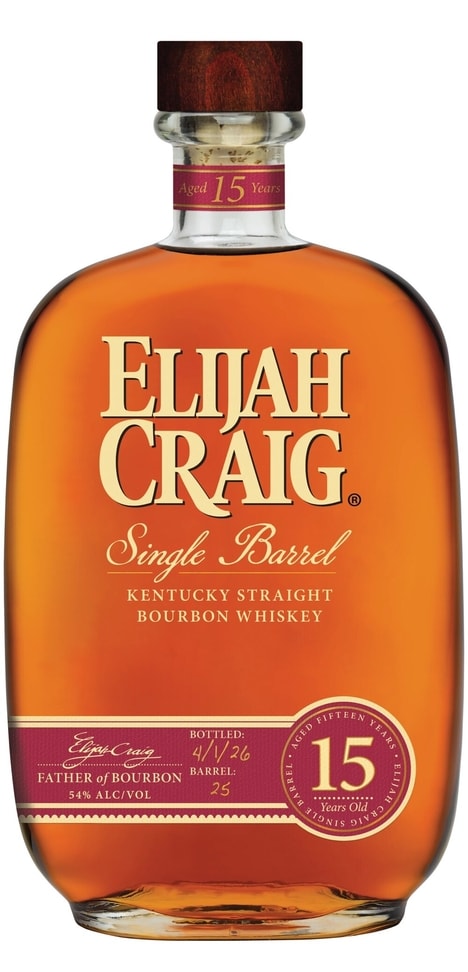
The 2026 Cask Strength Dual Release by Angel’s Envy is a limited-edition offering that pairs the return of the brand's annual Cask Strength Bourbon with the debut of a 10-Year Cask Strength Rye. This marks the brand's first age-stated rye bottled at cask strength.
The Cask Strength Bourbon expression is bottled at 117.8 proof and is produced through a Solera-inspired process that blends older stocks and finishes them for up to three years in Ruby Port barrels. Approximately 20,640 bottles are available in the United States at a suggested retail price of $250. The 10-Year Cask Strength Rye, which is bottled at 111.6 proof, combines rye distilled in 2013 and 2015 aged in new charred American oak before undergoing a secondary maturation of up to four years in Caribbean rum casks.
Image Credit: Angel’s Envy
What's Driving This Trend
- Cask Strength Premiumization
- Higher-proof, limited-edition releases are commanding collector pricing and brand halo that enable premium-margin product tiers and scarcity-driven secondary markets.
- Solera-inspired Blending
- Blending across vintages with solera-like systems is creating consistent yet complex flavor profiles that support storytelling-led provenance and long-term inventory strategies.
- Cross-cask Finishing
- Secondary maturation in nontraditional barrels like rum and port is producing distinctive flavor hybrids that differentiate offerings and justify experiential tasting narratives.
Who This Affects Most
- Craft Distilling
- Small and mid-size distilleries are positioned to leverage experimental aging and limited cask releases to capture premium consumers seeking novel, provenance-rich spirits.
- Luxury Spirits Retail
- Specialty retailers and auction platforms are benefiting from demand for scarce, high-priced bottlings that attract investment-minded collectors and experiential shoppers.
- Barrel Cooperage and Cask Finishing
- Cooperages and barrel brokers are seeing opportunities to offer bespoke cask pairings and finishing programs that enable unique flavor development and premium product differentiation.