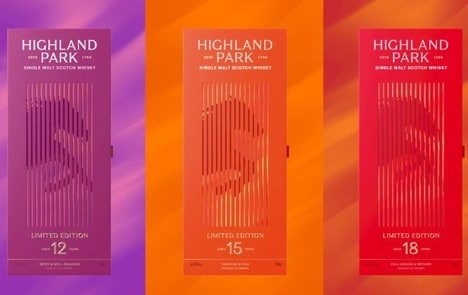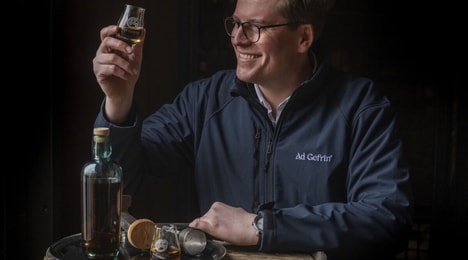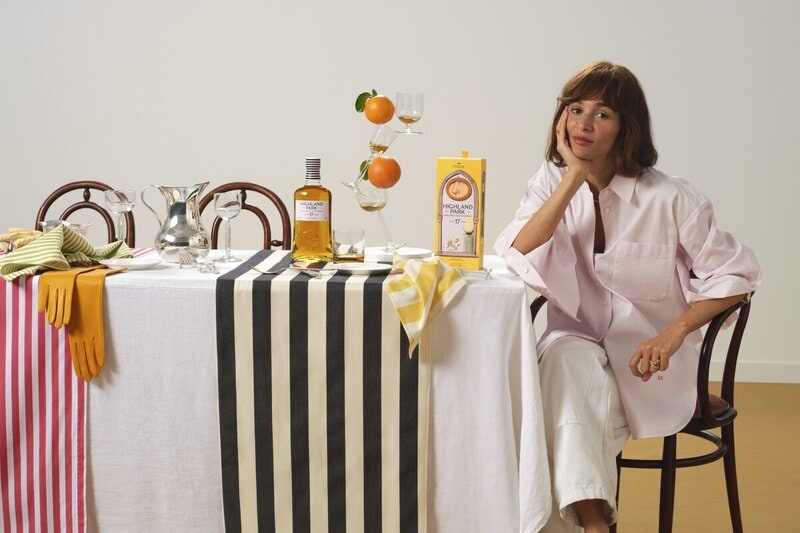
Highland Park turned its 17-year-old single malt into a more visual tasting moment with Between You and I, a collaboration with Laila Gohar. The release pairs the whisky with an illustrated identity inspired by the places and memories it stirred, so the bottle feels like part of the pour.
The liquid was built through a long cask selection process, then finished in unseasoned American oak, which helped shape floral and earthy layers around the distillery's peat smoke. Those cues gave the packaging a clear story to echo instead of relying on generic luxury cues.
For consumers, this means whisky can arrive as a collectible object that sets the mood before the first sip. It also pushes spirits closer to a multisensory experience, where the label, booklet, and liquid work together to guide how the drink is read.
Image Credit: Highland Park
Why This Trend Is Growing
- Illustrated Spirits
- Artwork-led bottle identities give premium alcohol brands a way to transform packaging into a narrative cue that shapes perception before tasting begins.
- Multisensory Tasting
- Layering visual design, printed materials, and flavor notes expands spirits into immersive rituals that compete with experiential luxury formats.
- Collectible Packaging
- Limited releases with artist-designed presentation create secondary value around bottles as display-worthy objects rather than disposable containers.
Industries Being Reshaped
- Alcoholic Beverages
- Distilleries can differentiate aged spirits by tying cask profiles to distinctive creative worlds that deepen consumer attachment.
- Luxury Packaging
- Premium packaging suppliers gain relevance as brands seek tactile, story-rich formats that carry the emotional weight of the product.
- Art and Design
- Artist collaborations offer commercial pathways for illustrators and designers to influence product storytelling across high-end consumer goods.