Category
Lifestyle
Body Parsing
Alcohol releases turn bottles into keepsakes and conversation pieces.
What's Happening
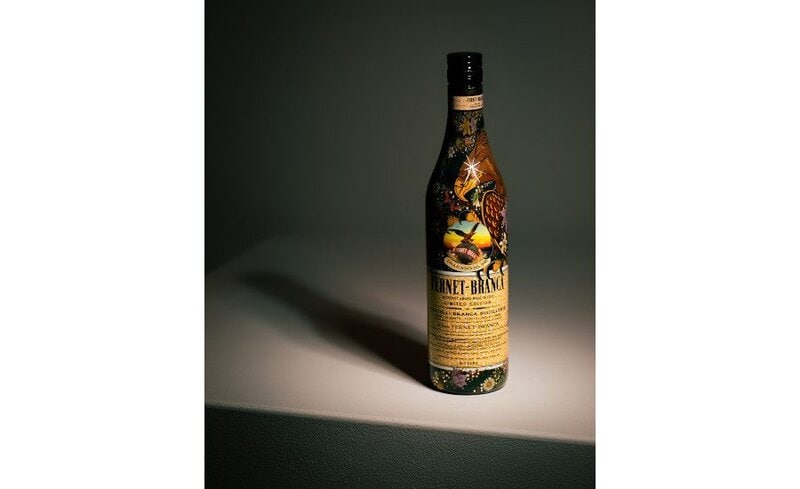
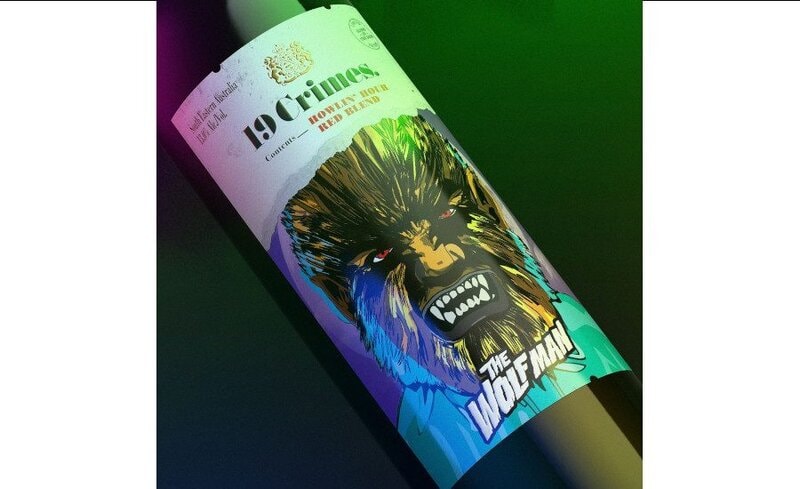
Display Spirits: Spirits and wine packaging is being designed to function as a collectible object, not just a container. Limited treatments like glow-in-the-dark finishes, visually striking artist collaborations, and wearable elements shift part of the product value to what remains after consumption. The approach makes the bottle more visible in social settings and more memorable at purchase.
Why It's Happening
Consumers have grown accustomed to encountering products in image-driven and event-led contexts, where appearances quickly capture and direct attention. Many are gravitating toward purchases that stand out visually or offer built-in interaction, especially when products are intended for special occasions or form part of a collection. People are increasingly approaching it as a sign of cultural awareness, fandom, or participation in a scene. In this context, a package that feels collectible through expressing cultural cues or being interactive can help justify notice, gifting, or display.
Evidence
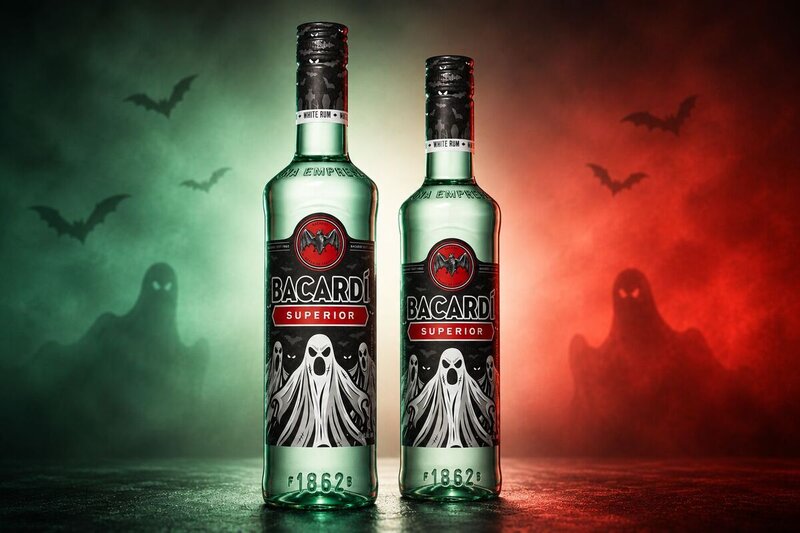
BACARDÍ Rum Features a Limited-Edition Halloween Bottle
Spirits brands can differentiate core products through experiential packaging that adds novelty without requiring a new liquid formulation.
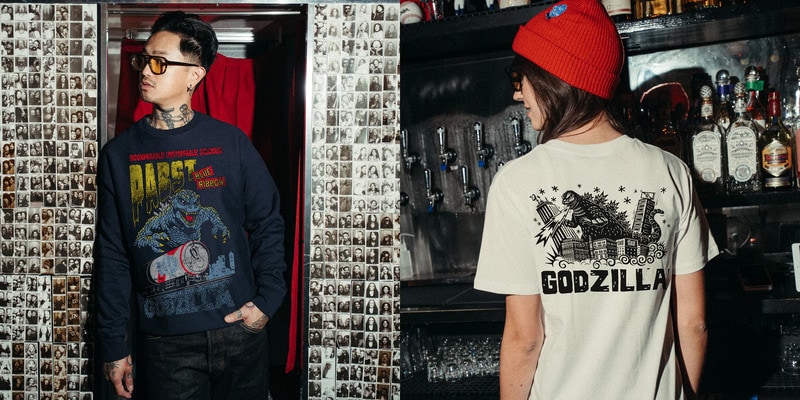
Pabst Blue Ribbon x Godzilla Extend Their Exclusive Collaboration
The intersection of iconic cultural figures with fashion creates a niche where collectibles and apparel uniquely attract diverse consumer demographics.
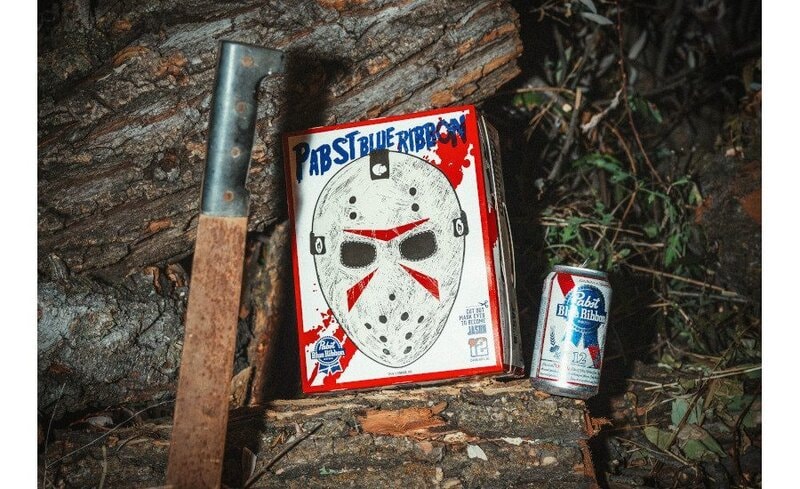
PBR Turns Its 12-Pack Packaging Into a Wearable Jason Voorhees Mask
Beer and spirits brands can use interactive packaging and entertainment tie-ins to stand out at retail while deepening consumer affiliation.
Fernet-Branca's 2026 Limited Bottle Is Tattoo Art
Premium spirits brands can differentiate in crowded retail environments by turning packaging into collectible art tied to cultural communities.
19 Crimes Introduces The Wolf Man Bottle For Halloween
Narrative-led bottles and collectible formats are expanding alcoholic beverages into lifestyle merchandise with stronger emotional and fandom-based appeal.
Workshop question
How could your brand turn its packaging into something people want to keep, display, or reuse?
Trajectory
Latest reading 7.4 for the week of Oct 26, 2026. Holding over the final 3 scored weeks (−0.0), −0.2 from its peak of 7.6 in the week of Sep 21, 2026. Momentum 5.2/10, persistence 2.5/10, backed by 4 research findings.
17 Trend Hunter articles were grouped into the wider weekly cluster this trend was identified in, over 5 weeks.
 Afrobeats-Inspired Luxury PackagingMartell Collaborates with Davido and Prince Gyasi
 Market-Exclusive Spirit ReleasesCourvoisier Launches Rebold, a Cognac Made Exclusively for China
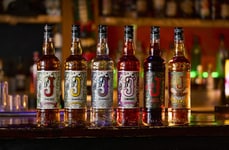 Longer-Neck Rum BottlesOld J Refreshes Its Spiced Rum with a New Bottle, Website and QR Code
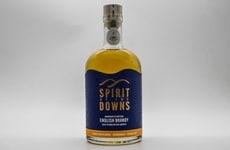 Bottle Authentication TechnologyDeLux Adds Scannable Security Seals To Verify Spirit Bottles
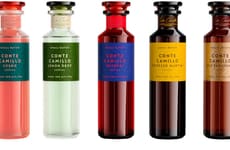 Small-Batch Bottled CocktailsConte Camillo Expands Beyond The Negroni With Five Bottled Cocktails
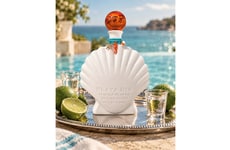 Seashell Bottle TequilasPLAYA DIA Tequila Blanco Doubles as a Gift Piece
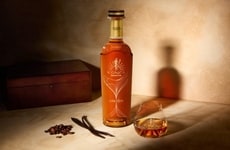 Cigar-Pairing Aged RumsHavana Club's Icónica Unión Completes Its Ultra-Prestige Line
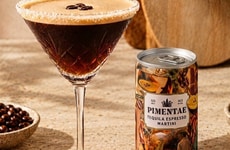 Agave-Led Cocktail CansPimentae's Tequila Espresso Martini Brings Coffeehouse Depth
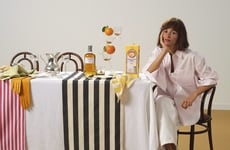 Illustrated Whisky BottlesHighland Park and Laila Gohar Reframe Tasting with Artwork
 NFC Gift BottlesJ.Rose Lets Buyers Add Video Messages to Gin
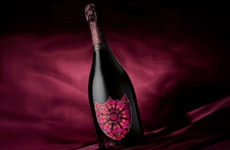 Artist-Designed Champagne BottlesDom Pérignon Turns Damien Hirst Motifs into Vintage Labels
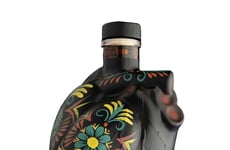 Hand-Painted Tequila BottlesSangre De Vida Pairs Aged Tequila With A Hand-Painted Bottle
Research
Collectible Pour
When liquid differences are easy to copy, identity shifts to the object itself.
Consumers want everyday purchases that double as fandom signals, keepsakes, or social props, turning packaging into a visible extension of personal and tribal affiliation.
Confidence Cans
In a soft market, consumers are not looking for maximum surprise; they are looking for reliable enjoyment with minimal downside.
Products that reduce the fear of wasting money, disliking the taste, or overdoing it are better positioned than those asking drinkers to take a leap.
Cocktail Canon
Consumers want bar literacy without bartending effort.
Named cocktail formats reduce uncertainty by giving shoppers flavor expectations, occasion cues, and a sense of cultural fluency. In an overcrowded RTD aisle, the cocktail canon functions as a trust shortcut.
Lightweight Luxe
Consumers and retailers now expect packaging to signal responsibility, but premium beverage brands cannot afford to lose tactility, giftability, or visual polish.
That creates a design tension: packs must look expensive while weighing less and using better materials. The brands that solve it can defend premium price while staying aligned with rising sustainability scrutiny.