


Category
Lifestyle
Pastry Echoes
Food makers redesign staple nutrients through new production methods.


What's Happening
Rebuilt Nutrition: Beyond finished products, protein innovation is happening at the ingredient production level. Nutrition ingredient suppliers are developing new ways to make familiar milk components and yeast-derived whey alternatives perform better, reduce costs or alleviate supply chain pressures.
Why It's Happening
For consumers, recognizable nutrition matters even as production methods change. Improved versions of staple nutrition ingredients are easier to accept when they’re comparable or better in taste, texture or nutrition, so the switch fits into an existing eating habit rather than requiring a new one. Products with innovative nutrition ingredients may land best when they lead with a benefit shoppers can experience for themselves, such as better digestibility or more consistent quality, so that choosing it feels like a smarter version of what they already know and trust.
Evidence
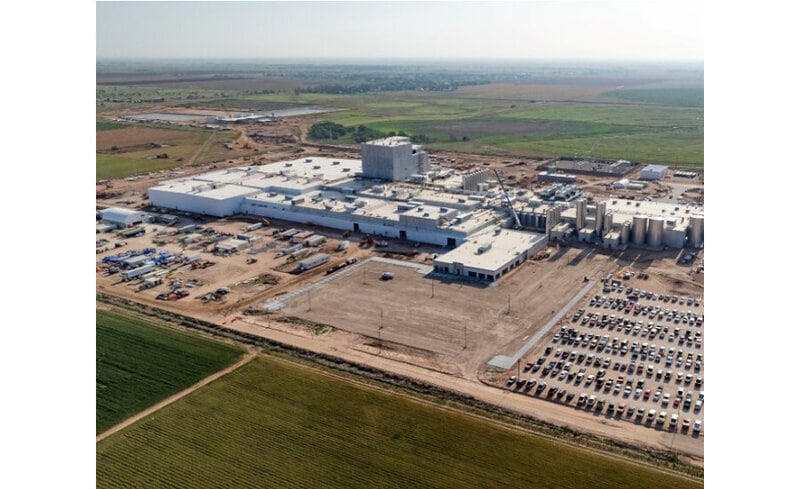
Leprino Nutrition Invests $35M to Quadruple Its MP PRO C80 Output
Large-scale capacity investments are strengthening specialized whey supply chains for brands seeking more consistent access to advanced functional proteins.
Revyve Develops a Creamier, Lower-Cost Alternative to Whey
Yeast-based platforms are broadening the category beyond plant isolates by offering complete protein quality, fiber, and formulation flexibility.
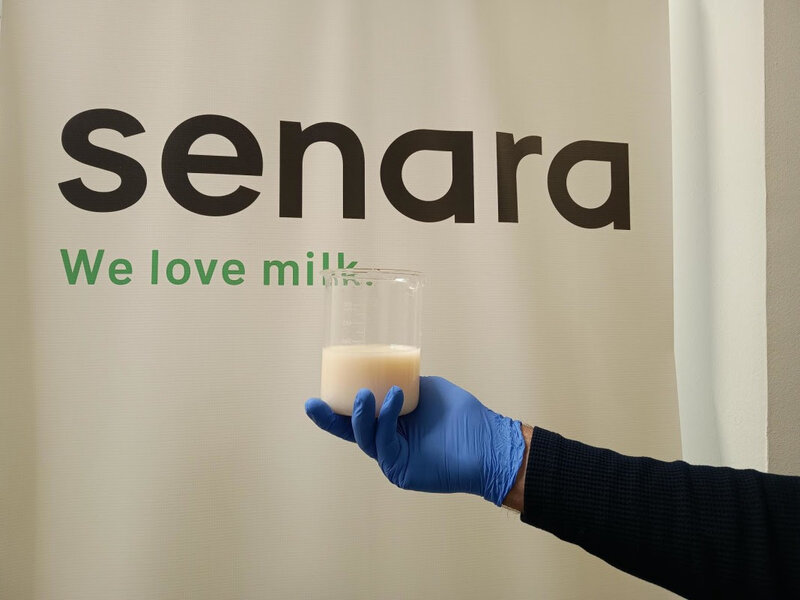
Senara Expands Milk Technology to the Netherlands
Cultivated milk production expands the category beyond plant-based substitutes by replicating functional dairy components for cheese, ice cream, and desserts.
Opalia Hands Hoogwegt Its First Batch for Cheese and Butter Tests
Cheese, butter, and ingredient manufacturers may gain access to animal-free whole milk inputs that fit existing formulation and supply-chain requirements.
Workshop question
How could your brand design its supply strategy to balance established inputs with next-wave ingredient platforms?
Trend signals
Trend score 7.4 for the week of Oct 26, 2026. Momentum 4.8/10, persistence 0.0/10, backed by 4 research findings.
6 Trend Hunter articles were grouped into the wider weekly cluster this trend was identified in, over 1 week.
Research
Precision Ferment Revival
The market is becoming less interested in plant-based as a broad ideology and more interested in technologies that solve specific food-performance problems.
Fermentation-backed proteins matter because they promise targeted functional wins such as texture, dairy-like performance and clearer value for formulators and consumers alike.
Taste Repair Tech
As foods get cleaner, higher-protein or lower-sugar, enjoyment becomes the most fragile part of the value equation.
Consumers may want healthier products, but they will not repeatedly choose them if they feel stripped-down, so sensory repair is becoming a hidden competitive advantage.
Whole-Cut Alt
Consumers want alternatives that feel like category progress, not just substitution.
Whole-cut formats promise a more aspirational and emotionally satisfying eating experience, helping plant-based products move from compromise territory into premium meal territory. This matters because the category needs excitement and distinctiveness to escape comparison traps with conventional meat and earlier-gen patties.
Color Chemistry Premium
Consumers may ask for natural color, but they still expect the same brightness, stability and product experience.
That gap between aspiration and performance creates room for specialist ingredient companies to become strategic partners rather than commodity vendors. Technical know-how becomes a brand enabler when the clean-label choice is also the harder one to formulate.