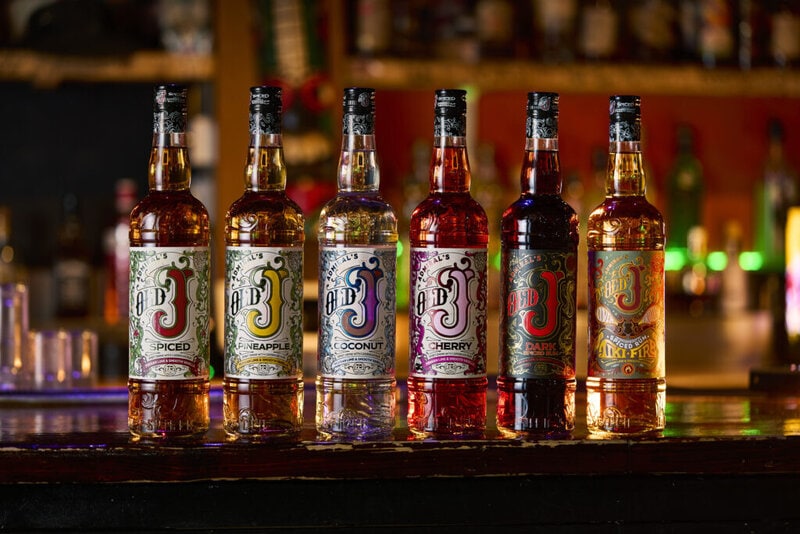
Old J updated its spiced rum packaging with a redesigned bottle, giving bartenders a longer neck for easier handling and the brand more shelf presence. The refresh also adds a new visual identity, a new website and a dynamic QR code, all built to carry the rum into its 15th year.
The bottle features thicker glass, refreshed wraparound labels and a cap collar that stands out on a speed rail. Old J is also pairing the packaging with point-of-sale materials, so the same look carries from the back bar to the point of purchase.
That consistency matters because the brand is rolling out the new identity across its range, not just one SKU. By linking packaging, digital touchpoints and trade materials, Old J turns a visual update into a broader merchandising tool for pubs, bars and supermarkets.
Image Credit: Old J Spiced Rum
Key Themes Behind This Trend
- Ergonomic Bottle Design
- Longer-neck formats and thicker glass create differentiation by blending bartender usability with stronger on-shelf visibility in crowded spirits categories.
- Connected Packaging
- Dynamic QR codes extend physical bottles into digital brand ecosystems where product storytelling, promotions and trade education can evolve without new packaging runs.
- Unified Bar Merchandising
- Consistent identities across bottles, point-of-sale materials and digital channels support more cohesive retail and hospitality experiences for premiumizing legacy alcohol brands.
Where This Applies
- Alcoholic Beverages
- Spirits brands have room to modernize mature products through packaging systems that improve service functionality while refreshing consumer perception.
- Packaging Design
- Bottle structure, label architecture and closure details are becoming strategic tools for combining operational utility with stronger brand recognition.
- Hospitality Retail
- Bars, pubs and supermarkets benefit from integrated merchandising assets that connect back-bar presence, shopper engagement and digital discovery.