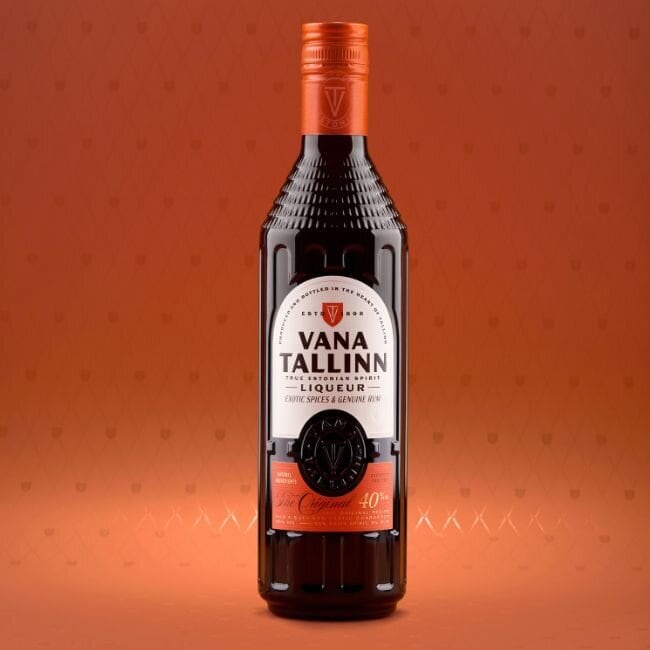
Liviko's Vana Tallinn liqueur is getting a redesigned bottle and label that give the long-running drink a cleaner, more international look while keeping it recognizable on the shelf. Created with Stranger & Stranger, the package borrows from Tallinn's Old Town, using roofline and arch references to tie the bottle back to the city behind its name.
An embossed glass emblem on the front nods to old document seals, giving the bottle a tactile cue that reads as premium in hand. Inside, the recipe stays the same, with Jamaican rum and citrus keeping the familiar profile intact as the outside shifts.
Now, the bottle does more of the brand storytelling before a pour, which can make an older favorite easier to spot among modern spirits labels. It also shows how heritage drinks can use refined design as a form of authenticity rather than a full reset.
Image Credit: Liviko
What's Driving This Trend
- Heritage Packaging Refreshes
- Longstanding beverage brands are using refined visual updates to modernize shelf presence while preserving recognizable cues that support authenticity.
- Tactile Premium Cues
- Embossed glass, seals, and dimensional details create sensory packaging signals that help products feel more collectible, premium, and giftable.
- Place-based Brand Storytelling
- City architecture, regional symbols, and local history are becoming design assets that give global consumers a clearer emotional connection to provenance.
Who This Affects Most
- Alcoholic Beverages
- Spirit and liqueur producers can differentiate mature products through packaging systems that elevate heritage without altering familiar flavor profiles.
- Packaging Design
- Design studios are finding opportunities in balancing minimalist international appeal with embedded cultural references for legacy consumer goods.
- Luxury Goods
- Premium markets are increasingly shaped by tactile finishes and provenance-led details that transform everyday products into status-oriented experiences.