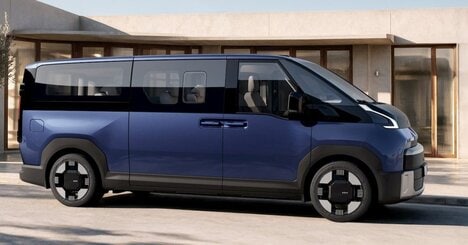
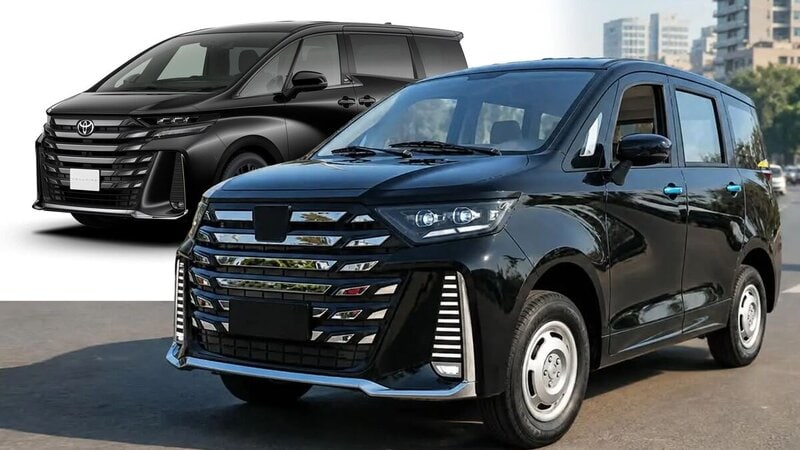
Nora EV is bringing compact family transport to Pakistan with the 'Metro,' a five-seat people mover that lets drivers go electric without wrestling a full-size van through crowded streets. The small MPV draws design cues from Toyota's Alphard and Vellfire, giving the budget-minded model a more upscale look.
A rear-mounted 5-hp motor keeps the Metro suited for short urban runs, and a range-extender version adds a small gasoline generator for buyers who want backup beyond charging stops. Nora EV also plans battery-swapping stations, which could cut waiting time for drivers who need to get moving again quickly.
For shoppers, this means a more familiar entry into electric family transport in Pakistan, with minivan styling and seating in a much smaller footprint. It also points to a hybridization strategy for low-speed EVs, where charging and gasoline backup can coexist rather than forcing a single routine.
Image Credit: Carscoops
What Makes This Trend Stand Out
- Compact Electric Mpvs
- Urban families gain access to right-sized electric people movers that blend minivan practicality with easier maneuverability in dense city environments.
- Battery-swap Mobility
- Swappable battery networks create faster energy replenishment models for small EVs where charging downtime remains a barrier to adoption.
- Range-extended Micro-evs
- Hybrid backup systems bridge consumer concerns around charging access by combining electric urban driving with gasoline-supported flexibility.
Sectors Adopting This
- Electric Vehicles
- Low-cost EV platforms are reshaping family transport by prioritizing compact footprints, practical seating, and localized infrastructure solutions.
- Urban Mobility
- Crowded cities present openings for smaller multi-passenger vehicles that reduce space constraints while preserving everyday household utility.
- Automotive Infrastructure
- Battery-swapping and distributed charging services introduce new service models around energy access, vehicle uptime, and neighborhood-scale mobility support.