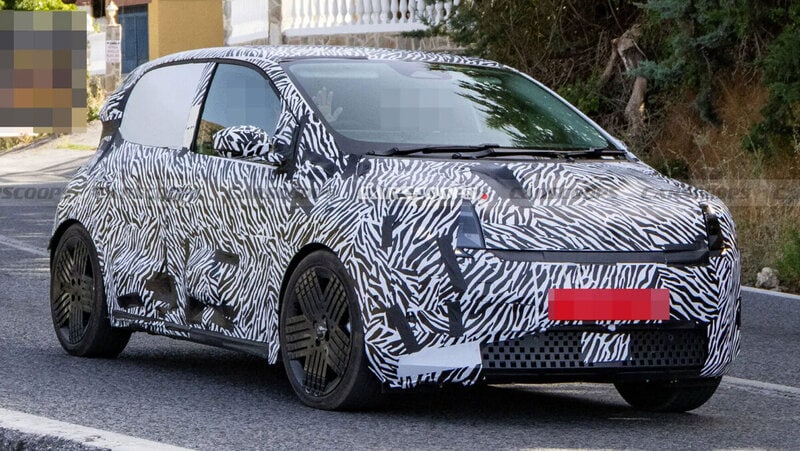
Nissan's PIXO is an electric city car with a reworked front end featuring squared headlights and a cube-like mesh intake. The A-segment hatchback pairs compact dimensions with distinctive styling and is built in Europe.
The PIXO is a restyled Renault Twingo with a streamlined rear, revised wheels and subtle exterior tweaks. Inside it should share the Twingo's layout with a 7-inch instrument cluster, a 10-inch infotainment screen, minimalist controls and flashy accents. Power comes from a 27.5 kWh battery and an electric motor rated at 80 hp and 129 lb-ft of torque.
Those numbers yield a 0-62 mph time of 12.1 seconds, a top speed of 81 mph and a WLTP range of about 163 miles. Estimated pricing around €19,500 positions the PIXO as an accessible entry-level EV for Europe.
Image Credit: Nissan
Key Themes Behind This Trend
- Affordable Micro-evs
- Low-cost compact electric models are reshaping entry-level mobility by making zero-emission driving more accessible to budget-conscious urban consumers.
- Shared Platform Styling
- Badge-engineered city cars with distinct exterior identities create room for automakers to reduce development costs while targeting different brand audiences.
- Minimalist Digital Cabins
- Small EV interiors with compact instrument displays, large infotainment screens and simplified controls signal a shift toward tech-forward value in economy vehicles.
Where This Applies
- Electric Vehicles
- Entry-level hatchbacks with modest batteries and practical urban range expand the market beyond premium EV buyers and intensify competition in affordable segments.
- Urban Mobility
- Compact electric cars tailored for dense European cities support new mobility patterns where easy parking, low running costs and emissions compliance carry high value.
- Automotive Manufacturing
- European-built small EVs based on shared architectures highlight efficiency gains in localized production, platform reuse and cost-sensitive electrification.