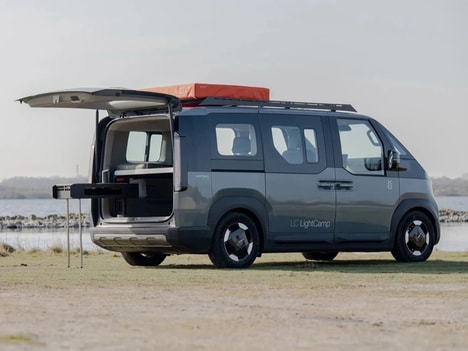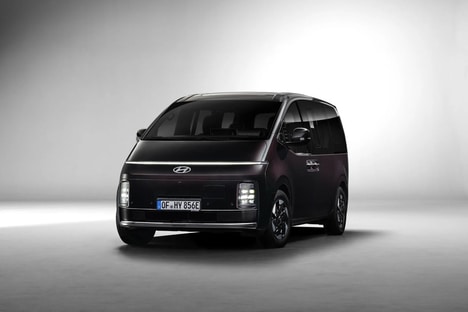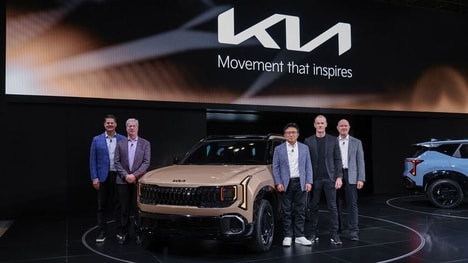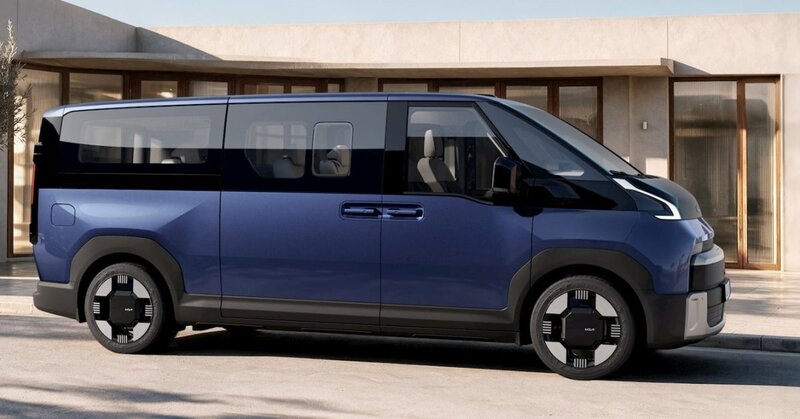
Kia's PV7 is a larger all-electric van on the E-GMP.S platform with a flat floor and modular top hats for passenger or cargo use. It measures 5,350 mm long with a 3,500 mm wheelbase and seats up to nine globally and 11 in Korea.
The PV7 will offer 71.5 kWh or 96.2 kWh NCM battery packs, with the Long Range Cargo exceeding 460 km WLTP. FWD is standard, AWD is planned; front powertrain makes 268 hp and 309 lb-ft, and the 800V architecture enables 10 to 80% charging in 25 minutes at 350 kW.
Cargo variants offer up to 8 m3 with high roof, payloads up to 1,200 kg, 550 mm loading height and space for three Euro pallets. V2L powers external tools; removable rail seats and variants support shuttle, rental, family or commercial use. Kia plans 23 PV7 variants with phased rollout in Korea and Europe second half 2027.
Image Credit: Kia
What Makes This Trend Stand Out
- Modular Electric Vans
- Flexible flat-floor platforms with interchangeable passenger and cargo configurations create new possibilities for fleets that need vehicles to shift between commercial, shuttle, rental, and family use.
- Ultra-fast Fleet Charging
- High-voltage charging systems that replenish large van batteries in under 30 minutes make electric commercial mobility more practical for time-sensitive logistics and passenger transport operations.
- Vehicle-powered Worksites
- Built-in power export capabilities turn electric vans into mobile energy sources for tools and equipment, expanding their value beyond transportation into field service and off-grid work environments.
Sectors Adopting This
- Commercial Transportation
- Long-range electric vans with high payload capacity and pallet-friendly cargo space signal a shift toward cleaner last-mile delivery, trade services, and urban freight models.
- Passenger Mobility
- Nine-to-eleven-seat electric van layouts support lower-emission shuttle, rideshare, airport transfer, and community transport services with reduced operating costs.
- Automotive Manufacturing
- Platform-based van architectures with multiple top hats and battery options point to more efficient product development strategies for serving niche commercial and consumer mobility segments.