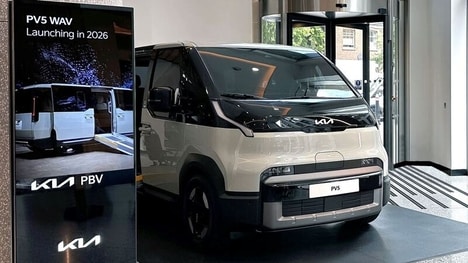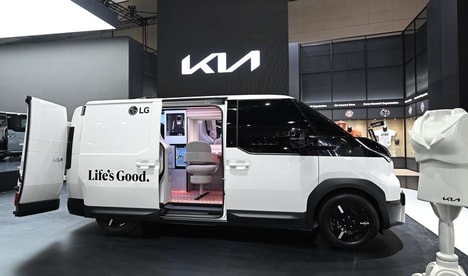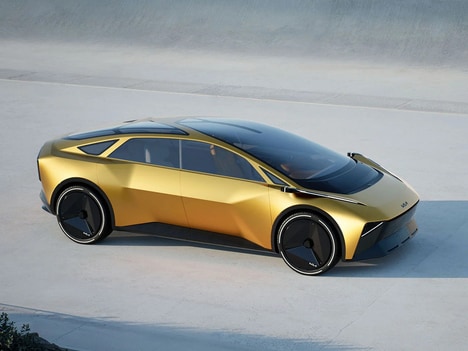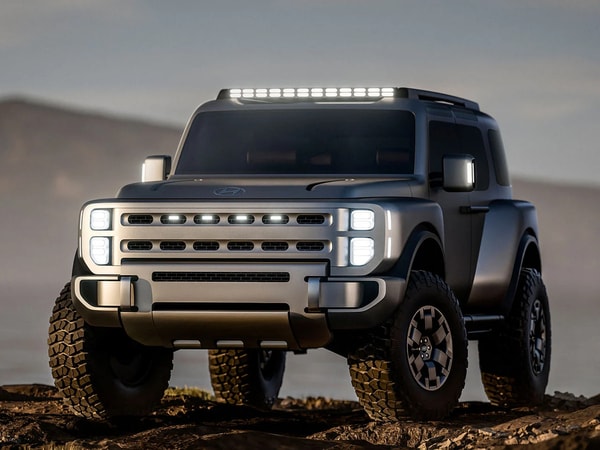
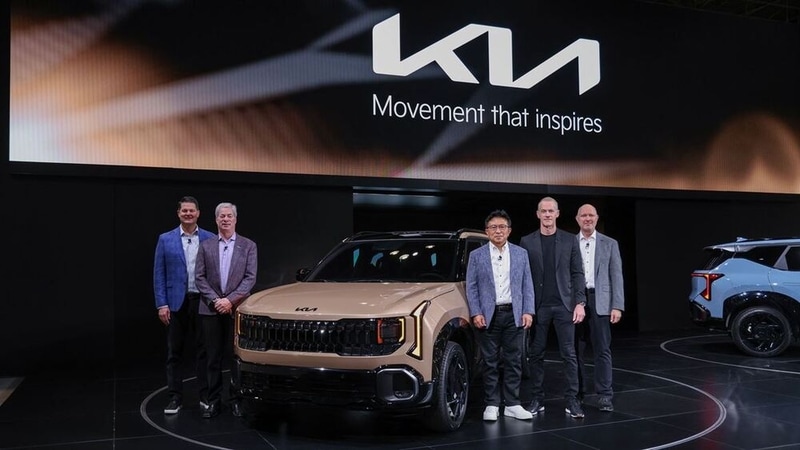
At the 2026 New York International Auto Show, Kia showcased three significant additions to its lineup — the all-new Seltos SUV, the 2027 EV3 compact electric vehicle, and the PV5 WAV accessible mobility concept. The latter is a wheelchair-accessible taxi developed in collaboration with BraunAbility.
The redesigned Seltos SUV offers a larger interior with increased rear legroom and cargo space, a panoramic dual 12.3-inch display interface, and three powertrain choices. The 2027 EV3, on the other hand, brings design cues from the larger EV9 into a smaller package. This model delivers an estimated range of up to 320 miles on an 81.4-kilowatt-hour battery with fast charging capability. The accessible PV5 WAV vehicle is based on Kia’s PBV (Platform Beyond Vehicle) strategy and is ADA-compliant. From its low step height to the optimized entry for wheelchair users, this model makes for an excellent solution to environmental and accessibility challenges in taxis and rideshare.
Image Credit: Kia
What's Driving This Trend
- Compact Long-range Electrification
- Smaller EVs delivering roughly 320-mile ranges suggest opportunities for denser energy packs and novel thermal management approaches in compact platforms.
- Accessibility-first Mobility
- The rise of WAVs and ADA-compliant taxi concepts indicates growing demand for integrated wheelchair access, seating reconfiguration, and inclusive interior design standards.
- Platform-beyond-vehicle Modularity
- Modular PBV strategies point toward adaptable vehicle architectures that enable rapid role specialization from passenger transport to purpose-built commercial uses.
Who This Affects Most
- Automotive Manufacturing
- Multi-powertrain lineups and shared design language across segments are driving interest in flexible assembly systems and component standardization.
- Urban Mobility and Rideshare
- ADA-compliant taxi concepts imply shifts in fleet procurement and service design to prioritize accessibility, range, and fast-charging uptime for urban operations.
- Assistive Technology and Accessibility Services
- Collaboration between OEMs and mobility-equipment firms highlights a market for integrated ramp systems, securement technologies, and user-centered vehicle interfaces.