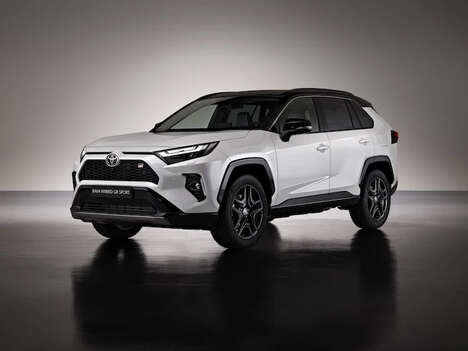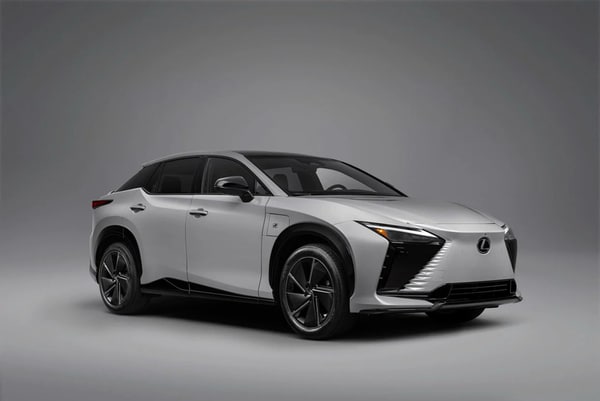
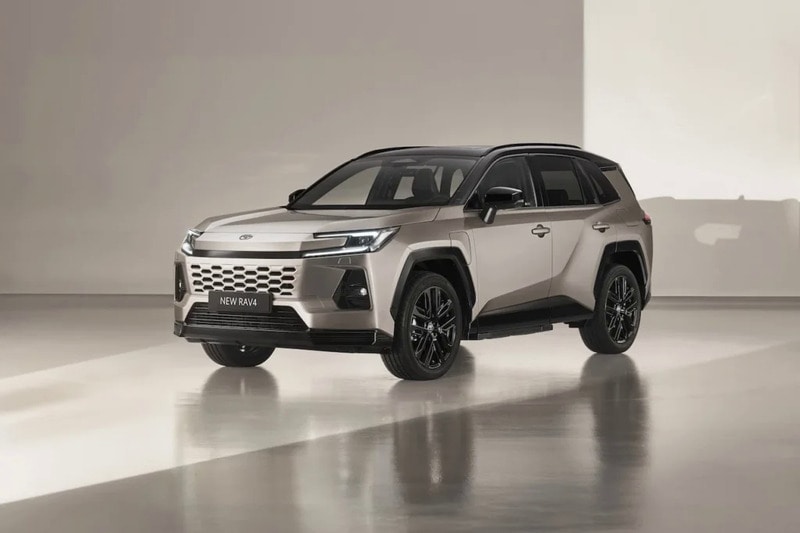
The 2026 Toyota RAV4 has been shown off by the brand as the sixth-generation version of its popular SUV model that's engineered with efficiency and style in the spotlight. The SUV will only come in plug-in hybrid electric vehicle (PHEV) options as part of the brand's shift away from gas-only models and is rated to deliver 100-kilometers of all-electric range per charge of the 22.7kWh lithium-ion battery. The geofencing technology will optimize electric driving by seamlessly switching between hybrid and electric modes based on driver habits and real-time data.
The 2026 Toyota RAV4 shows off an all-new exterior design and an interior cabin that has been completely refreshed over the previous version. This puts an expansive 12.9-inch infotainment display in focus and a 12.3-inch digital combimeter that's highly customizable.
What Makes This Trend Stand Out
- All-electric Range Optimization
- Next-generation PHEV SUVs like the 2026 Toyota RAV4 leverage advancements in battery technology to deliver substantial all-electric range, appealing to eco-conscious consumers seeking reduced emissions.
- Geofencing for Energy Efficiency
- Incorporating geofencing technology allows vehicles to smartly toggle between electric and hybrid modes, optimizing energy consumption based on real-time location and driving patterns.
- Enhanced Infotainment Integration
- The inclusion of expansive and customizable digital displays in modern SUVs reflects a consumer demand for high-tech, personalized driving experiences.
Sectors Adopting This
- Automotive Manufacturing
- Shifting focus towards PHEV models signifies a disruptive innovation opportunity within the automotive sector, steering traditional manufacturers to integrate more sustainable powertrain options.
- Battery Technology
- Advances in lithium-ion batteries are critical for achieving extended all-electric ranges in PHEVs, creating demand for innovation in energy storage technologies.
- Digital Technology and User Interfaces
- The evolution of in-car infotainment and user interface systems opens up opportunities for tech industries focused on connectivity, customization, and seamless user experiences.