Category
Autos
Racing Homage

Trend
Metropolitan Mobility: A challenge those in the auto industry are currently facing is boosting car ownership in metropolitan areas. As a result, specialty automobiles and car-related services specifically for city dwellers is observed. This becomes all the more important when one considers that Millennials -- large in numbers and just entering the age of disposable income -- tend to skew more toward city living.
Trend themes
As urban areas continue to grapple with traffic congestion, companies are developing automobiles and related services designed specifically for city dwellers, creating opportunities for disruptive innovation for urban transportation.
Electric car sharing programs are becoming increasingly common in metropolitan areas, allowing city dwellers access to transportation while also reducing carbon emissions and offering disruptive innovation opportunities for car sharing startups.
As urban populations grow, companies are developing compact cars designed for single passengers, offering affordable, environmentally-friendly transportation options for commuters and disrupting the traditional auto industry.
Industry implications
Companies focusing on developing innovative solutions for urban transportation, such as electric car sharing programs or specialty automobiles for city dwellers, are poised for growth within this industry.
As consumers demand more environmentally-friendly transportation options, companies focused on developing electric or hybrid cars are likely to see growth and create disruptive innovation opportunities.
Car sharing startups, particularly those that focus on electric car sharing programs or creating niche services for urban areas, present disruptive opportunities in the transportation industry.
Workshop question
Trend signals
Trend score 3.6 out of 10, from popularity 47%, activity 52%, freshness 8%.
Evidence
The 'SpeedOneSeat' Concept Vehicle is Designed for Racing and Cities
Automakers can explore the development of single-seat vehicles that meet the needs of modern city dwellers
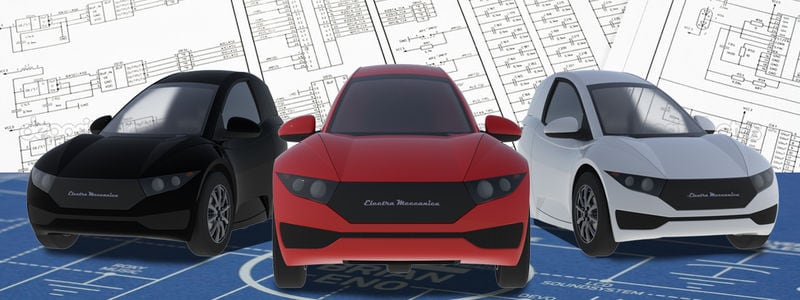
This Affordable Car Can Fit Only One Passenger
The emergence of affordable electric cars like the SOLO car presents an opportunity for the electric vehicle manufacturing industry to tap into a wider consumer base.
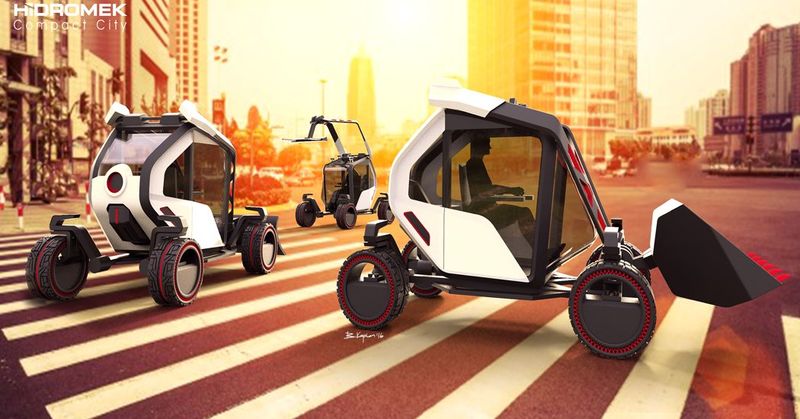
The Hidromek Compact City Vehicle Offers an Electric and Noise-Free Drive
The automotive industry can capitalize on the trend of electric city cars by developing and producing more environmentally friendly and compact vehicles for urban commuting.
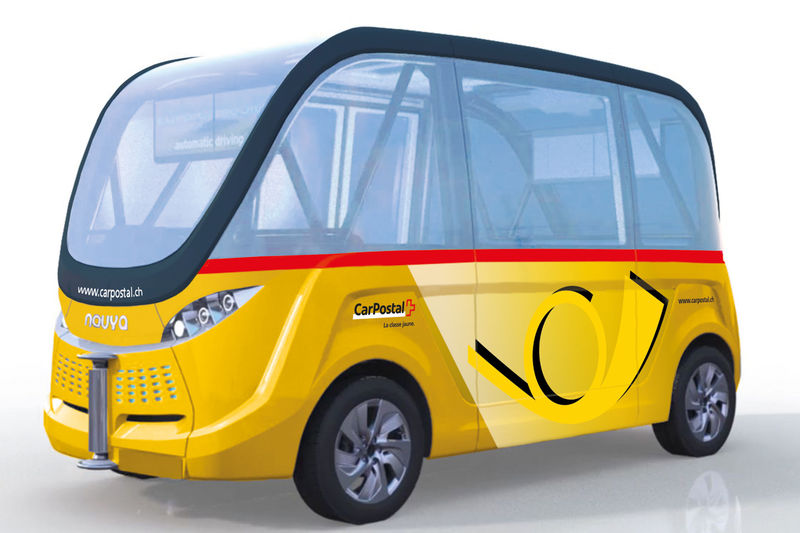
'BestMile' Buses are Designed to Take Passengers to Their Doorsteps
The transportation industry can explore the implementation of driverless shuttle buses for convenient and seamless passenger experiences.
This Car Sharing Program Makes car2go Vehicles Accessible In Israel
Collaboration between car sharing startups and government authorities can disrupt the transportation industry by offering sustainable and flexible mobility solutions.