Category
Life-Stages
Constructible Franchises
Digital culture is reflected in offline board game concepts.



Trend
Ironic Gaming: Innovative offline board game concepts that reference a pervasive digital culture are beginning to emerge in the entertainment realm. Without literal digital components, such offline activities suggest that even when unplugged, consumers are largely defined by the online culture that they are embedded in.
Trend themes
As our lives become more digital, offline gaming experiences are being designed to reflect that culture.
Board games that subtly teach valuable skills like coding are becoming increasingly popular among parents and educators alike.
Card and board games that incorporate aspects of internet culture like predictive search and linked articles are becoming more common.
Industry implications
Manufacturers can create gaming experiences that meet the growing need for offline technology.
Educators can develop new board game concepts that teach valuable technology skills and concepts.
Brands can create games that appeal to the current digital culture and generation of people who grew up playing video games.
Workshop question
Trend signals
Trend score 2.4 out of 10, from popularity 36%, activity 28%, freshness 8%.
Evidence
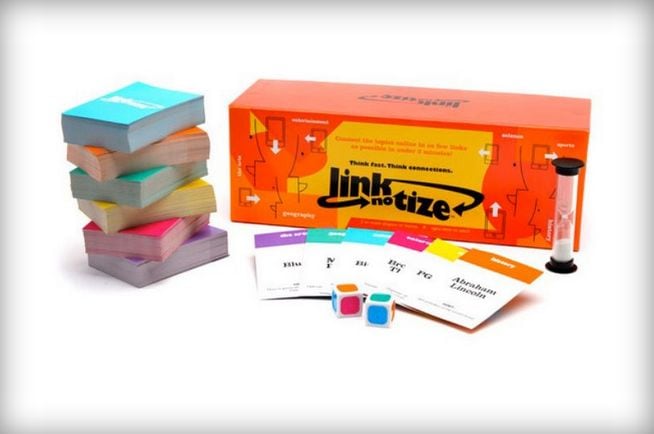
This Wikipedia Card Game Puts Your Internet Skills to Good Use
There is an opportunity to incorporate gaming elements such as those in Linknotize into educational materials, creating more engaging and enjoyable learning experiences for studen…
This Card Deck Design is Aesthetically Inspired by the Retro Computer Game
The gaming industry can create products that incorporate retro graphics to appeal to consumers who enjoy reminiscing.
The Query Game Plays Off Google's Predictive Search Feature
Incorporating popular online culture into board game design presents a niche opportunity to differentiate and appeal to younger audiences.
Mega Man: the Board Game Takes the Blue Bomber from the TV to the Table
The success of the Mega Man board game on Kickstarter highlights the potential for innovation and growth in the board game industry.
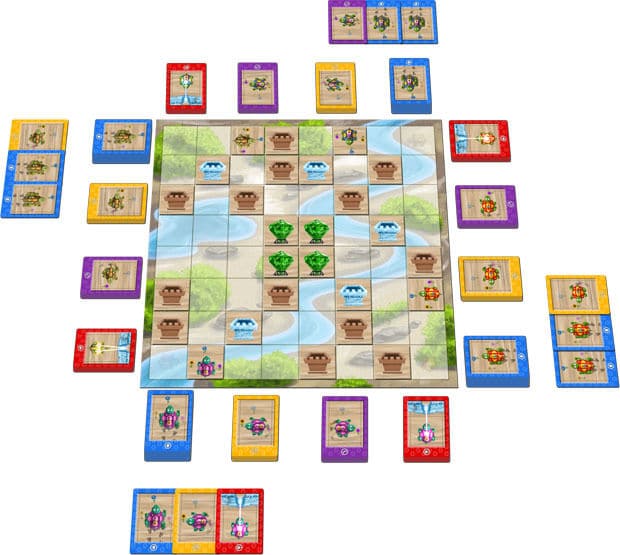
Robot Turtles Teaches Young Kids to Think Like Coders
Developing new board games and toys that teach children important skills such as programming and encourage learning through fun activities.