Category
Lifestyle
Assisted Choices
Religious references push the buttons of consumer shock.

Trend
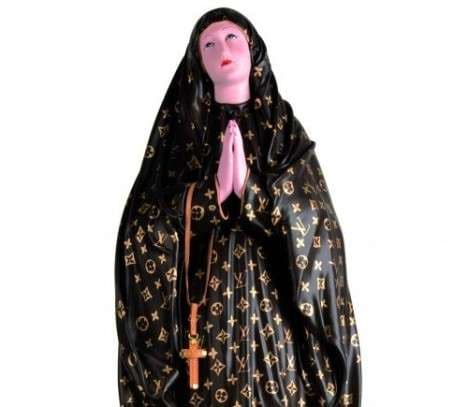
Blasphemous Branding: When it comes to shock value, some brands are upping the ante with campaigns and branded merchandise focused on religious themes. This level of shockvertising may border on offensive for some, but in a market populated by desensitized consumers, typical attempts at creating shock just don’t cut it. The brand must disturb, even to the point of upset, to make a point—and religion undeniably provides an avenue.
Trend themes
Major brands and campaigns are using religious references to create shock value and to appeal to desensitized consumers.
Brands are shedding traditional branding approaches to appeal to non-traditional audiences.
Haute fashion is increasingly using occult and taboo imagery to create memorable and edgy marketing campaigns.
Industry implications
Haute fashion is increasingly using controversial and taboo imagery to create edgy marketing campaigns.
Ad campaigns are turning to the use of religious, taboo, and controversial imagery to appeal to desensitized consumers and create memorable campaigns.
Religious institutions are needing to adapt to changing demographics and appeal to non-traditional audiences.
Trend signals
Trend score 5.3 out of 10, from popularity 74%, activity 76%, freshness 8%.
Evidence
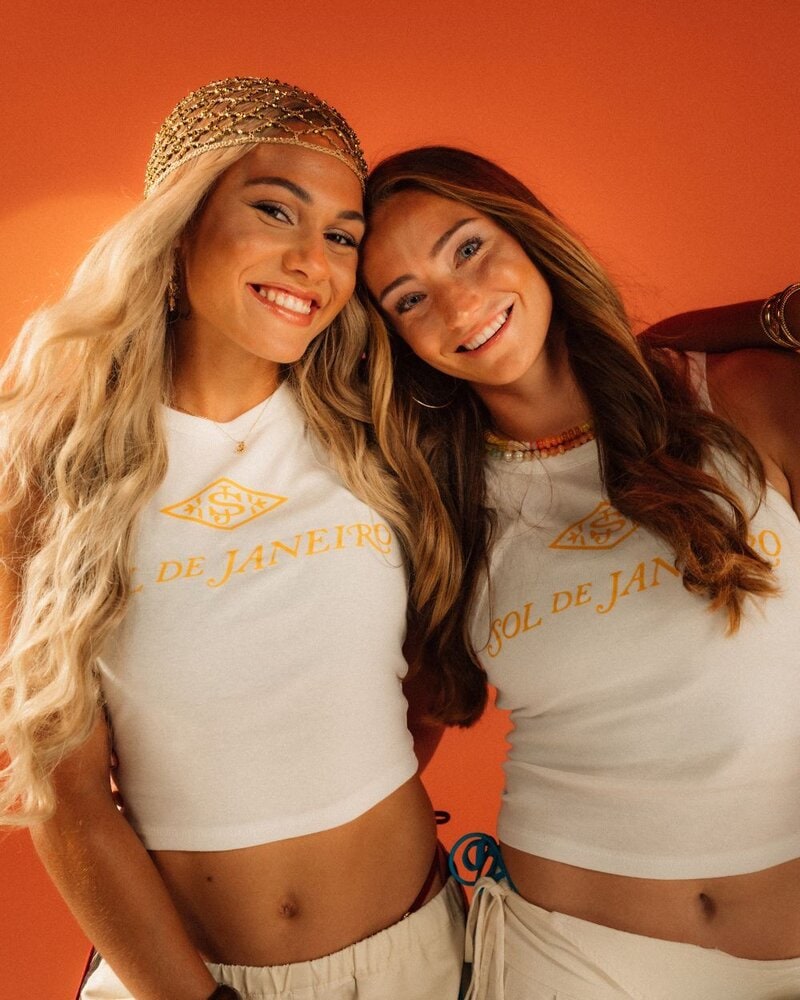
'Blasphemous' Campaign by Muckmouth
Opportunity for advertising agencies to create disruptive campaigns that challenge societal norms.
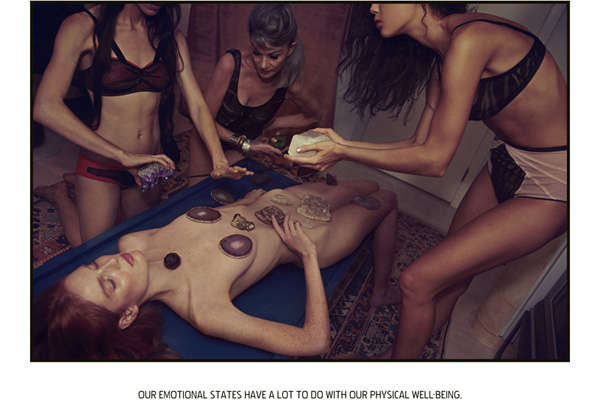
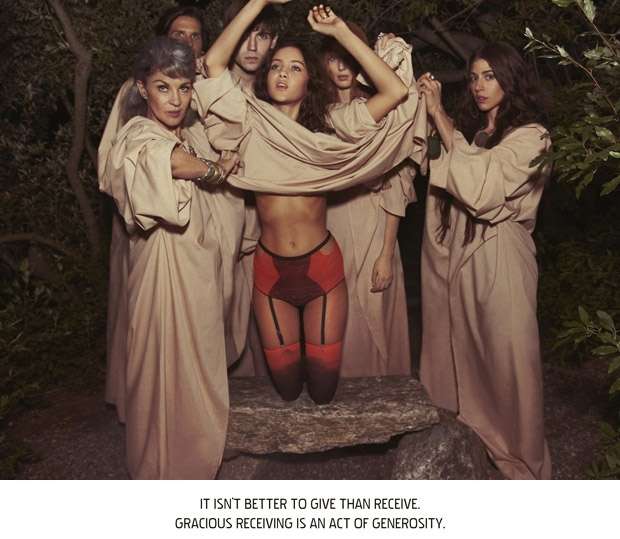
The Lake & Stars Lookbook Makes it a Ritual to Wear Pretty Panties
Brands can use unique marketing strategies and incorporate symbolic or ritualistic elements to build deeper connections with customers and generate buzz.
Tom Hines Photographs for the Lake & Stars Ritualize Campaign
Opportunity for lingerie and clothing brands to experiment with unconventional and provocative marketing campaigns.
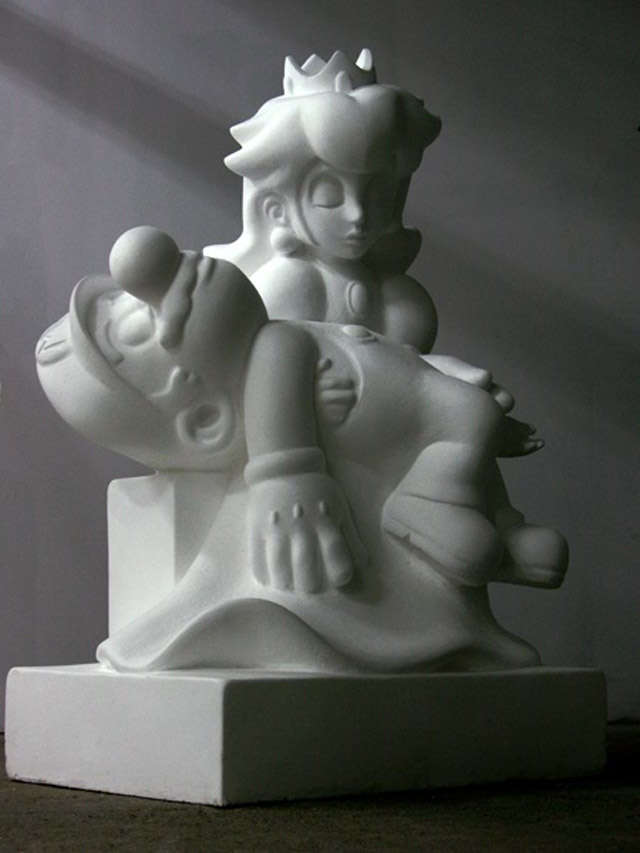
Kordian Lewandowskiego's 'Game Over' is Inspired by La Pieta
Opportunity for the art industry to embrace the convergence of religious and gaming themes, creating new and appealing artworks.
The Virgin Mary Louis Vuitton Statue Mixes Fashion and Religion
Artists and sculptors can explore the fusion of fashion and religion, creating avant-garde pieces that challenge conventional notions of religious art.

The One Community Church Adopts Non-Religious Exterior
Religious organizations can take advantage of innovative branding techniques to attract new and diverse followers.