Category
Lifestyle
Absorption Stacks
Virtual interactivity is changing the traditional purchasing experience.

What's Happening
Augmented Reality Shopping: The way we shop is undergoing a radical change, as retailers incorporate augmented reality by infusing traditional services with a virtual twist. The augmented reality shopping experience creates an increased ability to test out products and locate places to buy specific items, which may cause a shift in buyer behavior as the physical aspect of shopping becomes increasingly unnecessary.
Evidence
Airwalk Invisible Store can Only be Seen Through Smartphones
Retailers can leverage augmented reality technology to create new and exciting shopping experiences that attract customers and differentiate from competitors.
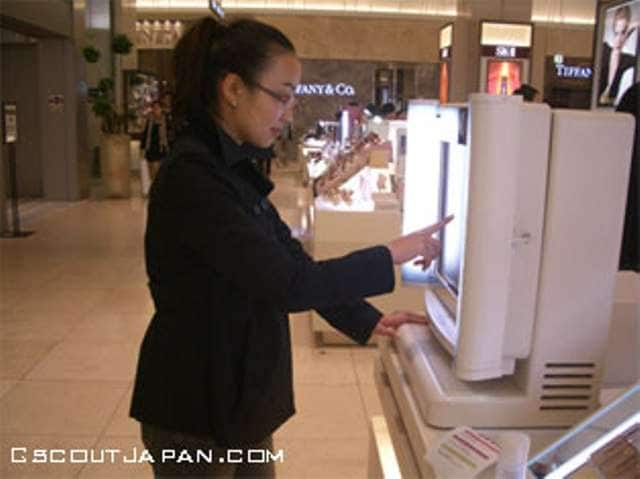
Shiseido Makeup Mirror Lets You Try on Cosmetics With Augmented Reality
The cosmetics industry can leverage virtual makeup mirrors to provide a unique customer experience that could potentially drive sales and increase customer satisfaction.
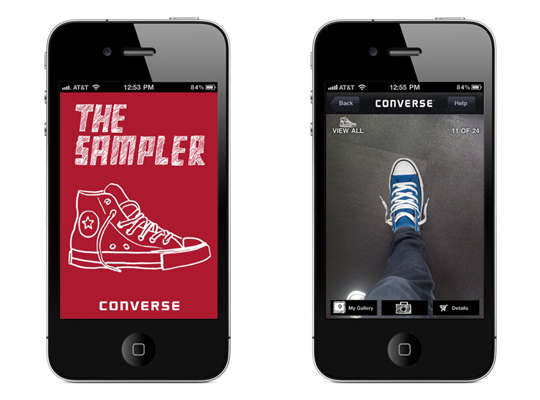
Try on Any Pair of Shoes with the Converse Sampler iPhone App
The retail industry can embrace augmented reality fitting rooms to enhance the shopping experience and increase online sales.
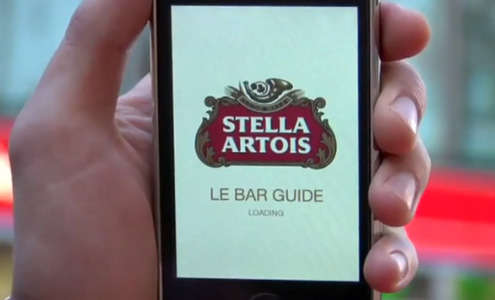
The Stella Artois 'Le Bar Guide' App Leads You to Your Favorite Beer
Restaurants, bars, and breweries within the food and beverage industry can use similar apps to promote their products and establishments.
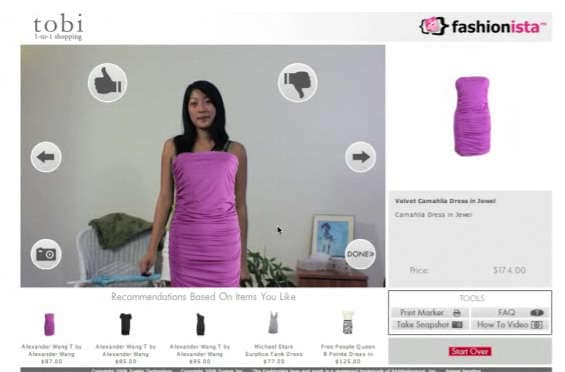
Try on Clothes With Tobi.com's Augmented Reality Dressing Room
Integration of augmented reality dressing room technology can drive sales and enhance customer engagement.
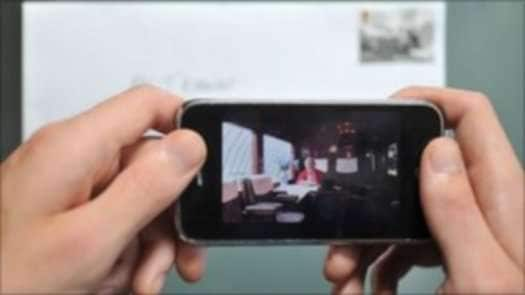
Royal Mail Intelligent Stamp Hits UK With Video
The integration of augmented reality in postage stamps can revitalize the postal industry by providing a unique and engaging customer experience.
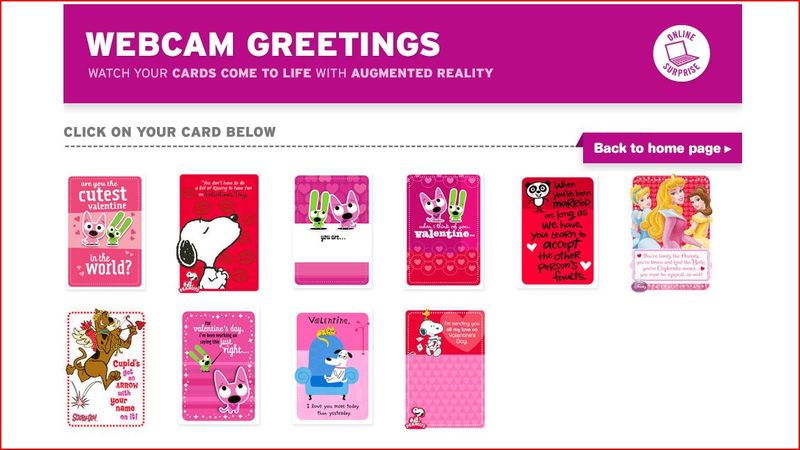
Hallmark Introduces Augmented Reality Greeting Cards
The introduction of AR and webcam greetings presents an opportunity for companies in the greeting card industry to incorporate new technologies and stand out in a crowded market.
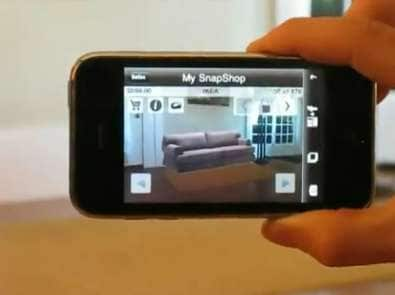
The iPhone Snapshop App Lets You Try Before You Buy
The integration of augmented reality in interior design provides opportunities for furniture and home decor companies to offer virtual try-on experiences to their customers.
Trend themes
As retailers use AR to infuse traditional shopping services with a virtual twist, there is a disruption opportunity for brands to enhance the overall consumer shopping experience.
Augmented reality fitting rooms are becoming more popular and are disrupting traditional shopping experiences, providing consumers with virtual ways to try on clothing.
The use of mixed reality technologies, like AR, are changing the way people shop for products and leisure experiences, and businesses need to provide new technology-based experiences to stay ahead of trends.
Industry implications
Retailers are using augmented reality to enhance customer experiences and optimize sales by letting customers see products in a simulated environment.
The use of augmented reality and the integration of mixed reality technologies are creating opportunities for new and innovative entertainment experiences.
As businesses integrate augmented reality into their marketing campaigns and products, augmented reality marketing is disrupting traditional advertising methods by providing more interactive and engaging experiences.
Trend signals
Trend score 4.8 out of 10, from popularity 81%, activity 56%, freshness 8%.