Category
Fashion
Trial Trinkets
Understanding the impact of social networks via social media-based cartography.
What's Happening
Social Mapping: With social media infiltrating the daily lives of consumers everywhere, many are becoming interested in its actual reach. Social media-based maps show consumers and businesses the impact of social networking on the connectivity of people all over the world and how one country, city or individual fits into the pervasive and strong grasp of social media.
Evidence
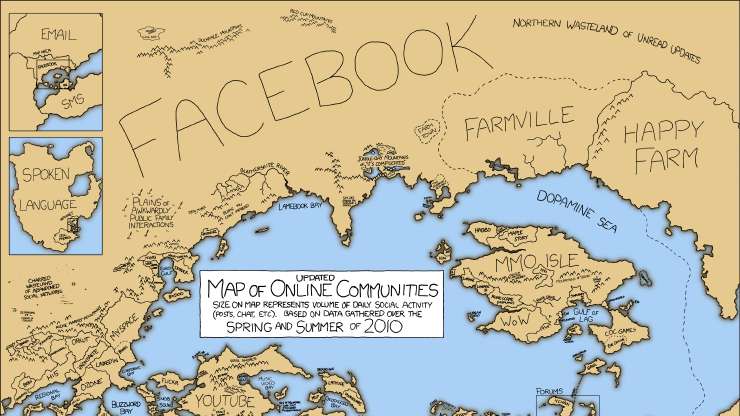
The Randall Munroe 'Online Communities' Maps Give Direction to n00bs
Social media companies can use online community maps to gauge their visibility, engagement levels and strategize ways to improve user experience on their platforms.
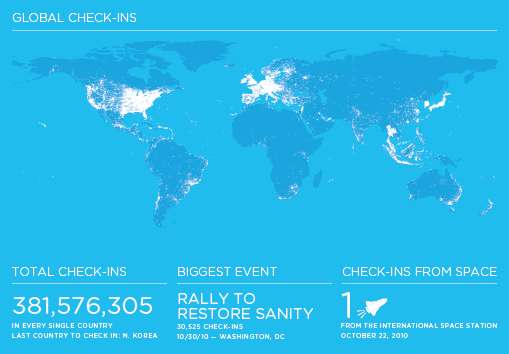
The Foursquare Infographic Illustrates Fascinating Facts
Opportunity for disruptive innovation in the social networking industry by developing new features and functionalities that can attract and retain a large user base.
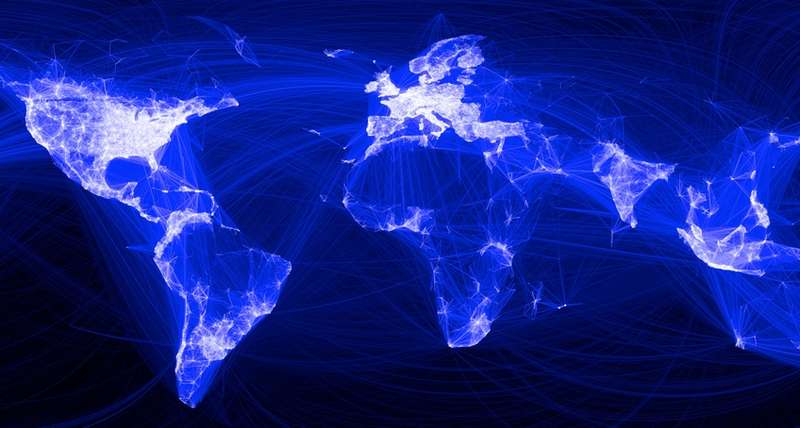
Facebook Map Highlights the World's Relationships
The Facebook map reinforces the importance of social networking platforms as a dominant industry, opening doors for new players in the market.
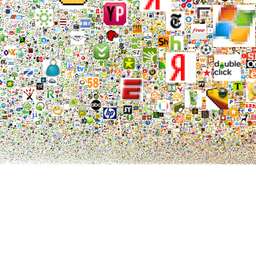
'Icons of the Web' Shows Just How Popular Websites Are
The visualizations of website traffic data can assist digital marketers in identifying popular online platforms for advertising and strategizing effective campaigns.
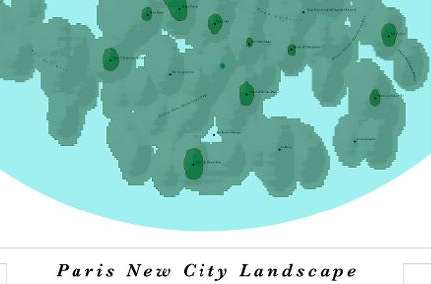
These New City Landscape Maps Use 'Tweetography' to Plot Density
Opportunity for marketing and advertising agencies to offer services that help businesses leverage the social media craze for effective campaigns.
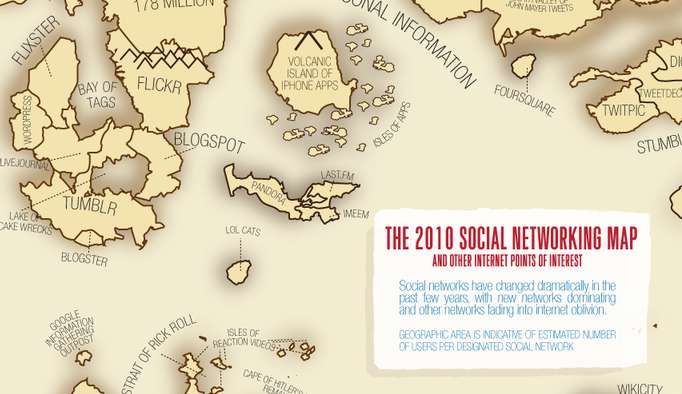
The 2010 Social Network World Map Provides an Outlook on Social Media
The rise of social networks creates a demand for businesses to develop effective marketing strategies to engage with their target audience on these platforms.
Trend themes
The use of social mapping in diverse industries such as marketing, urban planning and logistics, providing opportunities for customized product recommendations, better usage of public spaces and optimal delivery routes.
The creation of aesthetically-pleasing maps and infographics to analyze social media data, presenting opportunities for data-driven decision making, customer engagement and market analysis
The growth of location-based social networks like Foursquare presents opportunities for businesses to target customers based on their location, provide real-time personalized experiences and analyze foot traffic.
Industry implications
The use of social maps and infographics to target customers, provide personalized experiences and analyze market trends.
The use of social maps to understand public spaces and optimize urban design, mobility patterns and transportation logistics.
The analysis of social media data using maps and other visualizations to create data-informed decisions and opportunities for growth in various industries.
Trend signals
Trend score 3.7 out of 10, from popularity 47%, activity 55%, freshness 8%.