


Category
Lifestyle
Aisle Migration
Vehicle cameras add sensing modes for challenging road conditions.


What's Happening
Perception Layer: In-car camera systems are moving beyond standard video capture by adding onboard interpretation and advanced sensing capabilities. Brands promote these dash cams as capable of catching incidents, such as near-misses or sudden impacts, that basic recorders could miss, especially by extending perception in low-visibility scenarios through thermal imaging and radar-assisted sensing.
Why It's Happening
On unpredictable roads, glare, darkness, rain and fast-moving hazards can make ordinary footage less useful for capturing evidence and spotting risks as they develop. Drivers want awareness as events unfold, and standard dash cams struggle most in exactly those conditions. With new sensing approaches, in-vehicle cameras clearly see in hard-to-read conditions and flag danger sooner. For drivers, that means feeling safer on the road with a system that helps them prepare for what's ahead, not one that only shows what went wrong.
Evidence
The DDPAI Z90 Master Captures Footage From the Front, Rear and Interior
The automotive technology industry is poised for transformation with advanced in-vehicle surveillance systems that provide comprehensive visual documentation and connectivity.
The ‘MiNy360X’ Uses A 360-Degree Optical System For Comprehensive Capture
Compact optical systems and advanced imaging chips are reshaping in-car hardware by combining surveillance, safety and connectivity in a single aftermarket device.
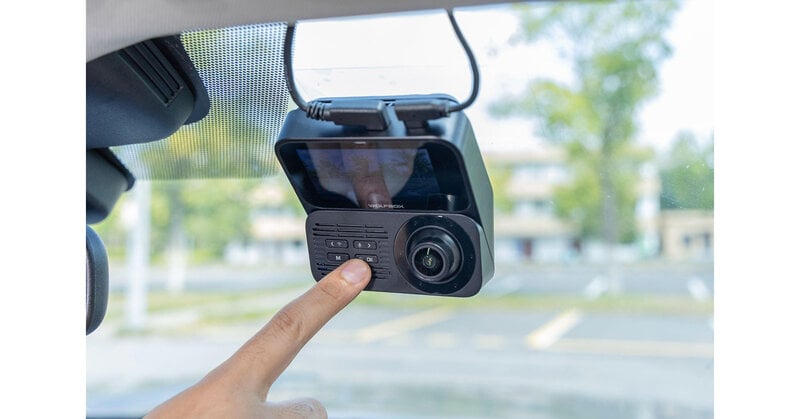
Wolfbox K9 Pro Combines Night Vision with Clearer Audio
Advanced dash camera platforms are expanding the role of connected vehicle accessories from passive recording devices into intelligent safety and evidence systems.
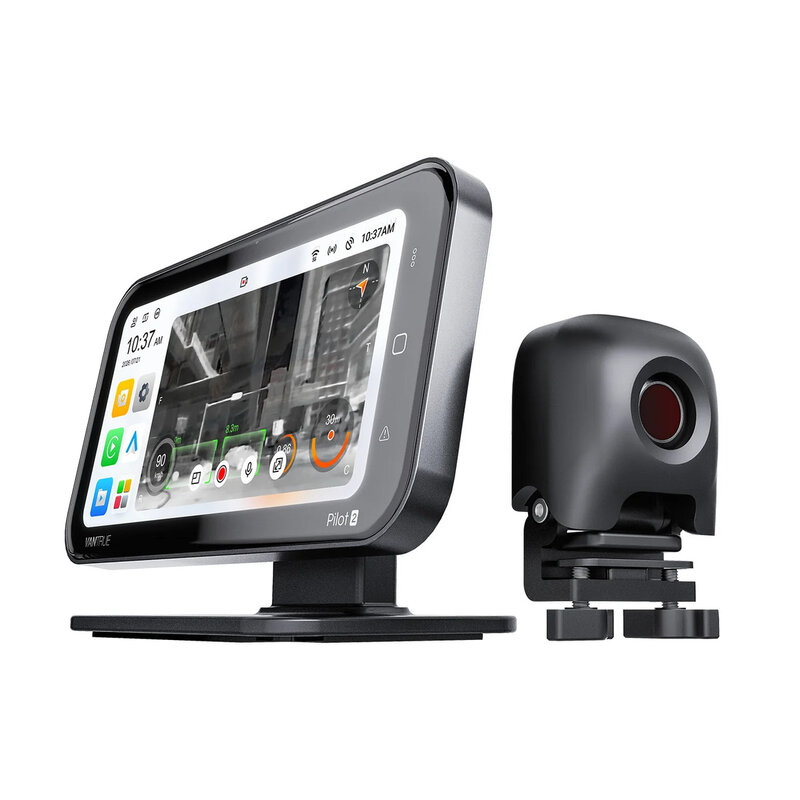
Vantrue Uses Thermal AI to Detect Vehicles, Pedestrians and Wildlife
Advanced sensing hardware and embedded AI are reshaping aftermarket vehicle safety by bringing driver-assistance capabilities to cars without factory-installed systems.
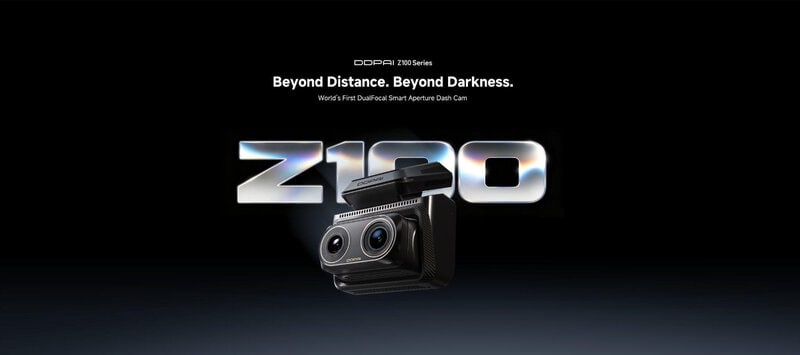
DDPAI Combines Dual-Focal Recording with Smart Aperture Control
Vehicle accessory makers can benefit from demand for intelligent recording systems that improve visibility, connectivity, and post-incident documentation.
Thinkware Adds Radar-Based Parking Protection To Its Latest Dash Cam
Radar integration in dash cams reflects a shift toward sensor-rich aftermarket devices that blur the line between consumer accessories and advanced driver-assistance systems.
Workshop question
How could your brand turn a familiar product into a more context-aware safety tool?
Trend themes
Dash cams that combine video, radar, thermal imaging and AI interpretation reveal opportunities for safety devices that function as real-time sensing platforms rather than passive recorders.
Low-light optimization, adaptive apertures, wide dynamic range and thermal feeds point to new value in recording systems built for glare, darkness, fog, rain and other evidence-compromising environments.
Radar-triggered monitoring, proximity detection and connected alerts are expanding parked-vehicle protection into a predictive security layer for unattended cars.
Industry implications
Advanced in-vehicle sensing creates openings for driver-assistance products that bridge consumer electronics, collision prevention and insurance-grade documentation.
App-linked cameras, cloud alerts, LTE connectivity and onboard AI suggest growth potential for personal devices that provide continuous awareness across mobile environments.
Richer incident data from multi-angle, audio-enhanced and sensor-assisted systems can reshape claims assessment, risk scoring and driver protection services.
Trajectory
Latest reading 6.4 for the week of Nov 2, 2026. Holding over the final 3 scored weeks (±0.0), at its peak of 6.4. Momentum 2.8/10, persistence 2.5/10.
6 Trend Hunter articles were grouped into the wider weekly cluster this trend was identified in, over 2 weeks.