



Category
Lifestyle
Assisted Choices
Lack of packaging conveys both literal transparency and eco-consciousness.


Trend
Anti-Package: The omnipresence of social media and shared opinion has placed a premium on transparency. This also creates consumers who expect brands to make a positive impact on the world in a way that is tangible. Minimized waste via unpackaged products achieves this while alleviating consumption guilt for consumers who are conscious of their carbon footprint.
Trend themes
The minimized waste trend via unpackaged products alleviates consumption guilt for environmentally conscious consumers.
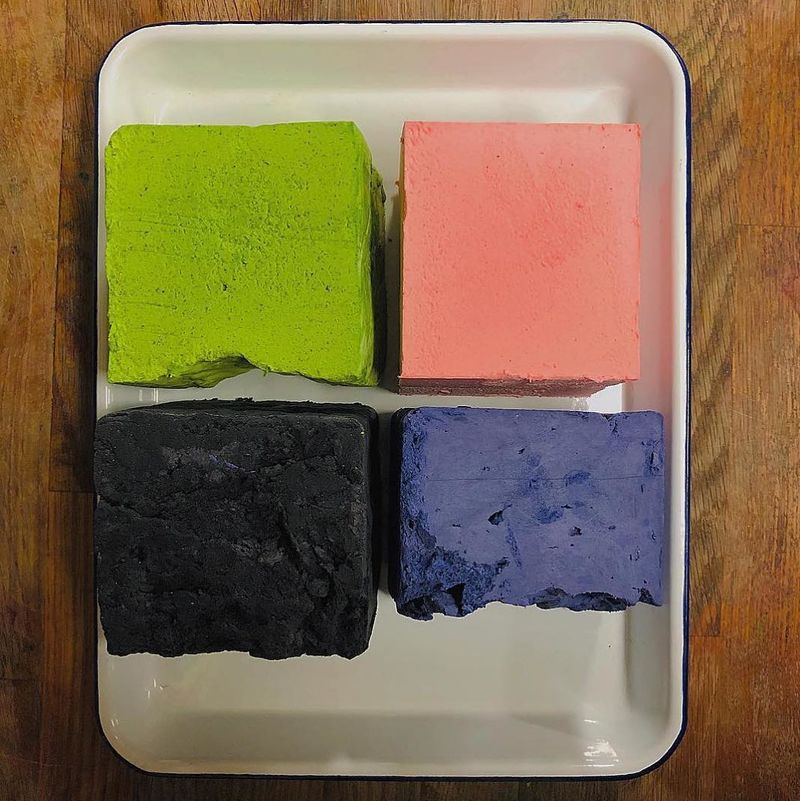
Edible packaging solutions such as Roza Janusz's Scoby provide disruptive innovation opportunities for food and packaging industries.
Lush Cosmetics' use of vegan ingredients such as aquafaba in the production of its package-free bath products matches the growing preference for plant-based consumer goods.
Industry implications
Entrepreneurs can invest in providing more sustainable product options, in response to consumer consciousness about environmental impact.
Innovation within the Beauty and Personal Care industry has become critical to provide eco-friendly solutions like package-free products that immensely contribute to zero-waste products and are relevant to sustainability trends.
The food service industry has the opportunity to embrace edible packaging solutions like Roza Janusz's Scoby, to address consumer concerns about waste and environmental impact of take-out packaging.
Workshop question
Trend signals
Trend score 5.2 out of 10, from popularity 85%, activity 62%, freshness 8%.
Evidence
Roza Janusz Uses Scoby as an Alternative to Plastic Take-Out Boxes
The food packaging industry can explore the use of fully edible packaging made from Scoby as a sustainable and eco-friendly packaging option.
Lush Cosmetics' Package-Free Shampoos are Made with Aquafaba
The cosmetics industry has the opportunity to develop more innovative, vegan and package-free products that cater to consumers needs.
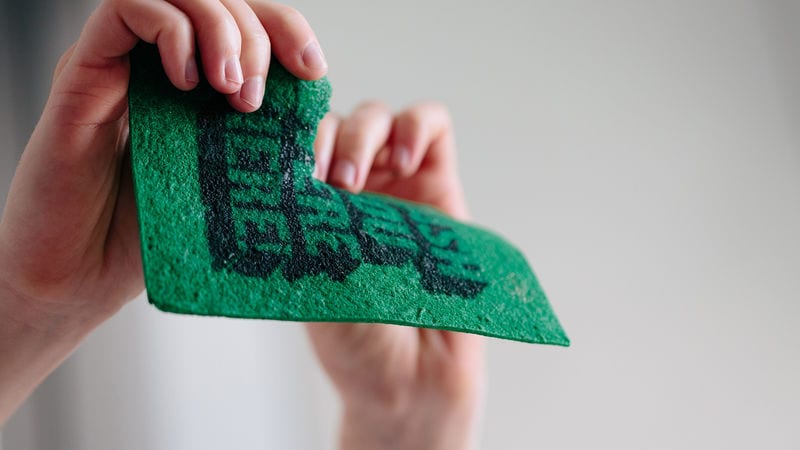
Lush Cosmetics' 'Washcards' Can Be Torn for Use in the Shower
Brands can innovate and explore eco-friendly or alternative forms of cosmetics to meet changing consumer preferences.
The Package Free Shop Features Eco-Friendly Products
The Package Free Shop provides a model for retailers to offer zero-waste products and packaging that cater to environmentally conscious consumers.
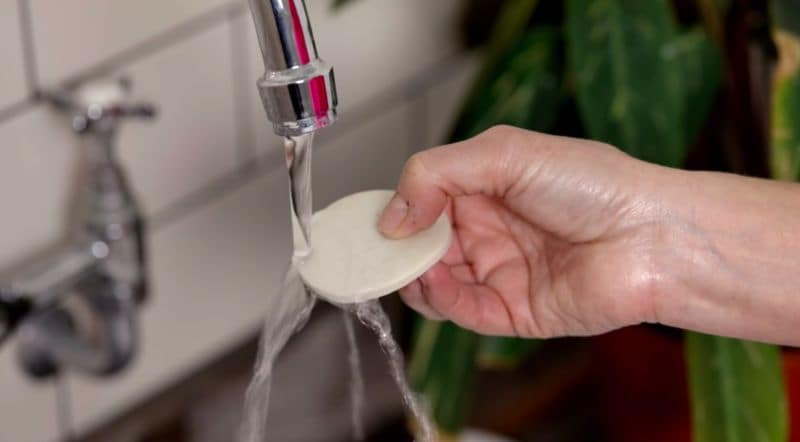
Lush's '7 To 3' Facial Rounds are Biodegradable and Package-Free
Lush Cosmetics' reusable facial rounds disrupt the conventional personal care products market.
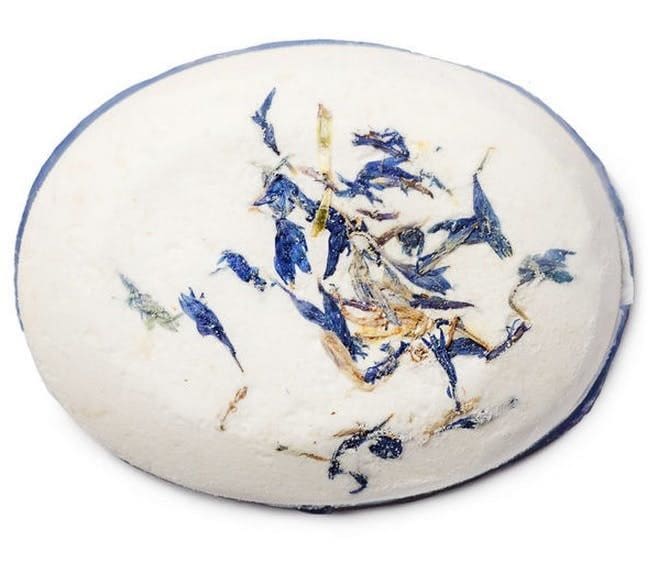
Lush Cosmetics' T'eo Absorbs Sweat and Neutralizes Underarm Odor
Lush Cosmetics' T'eo and its package-free, natural ingredients are disrupting the beauty and personal care industry by offering a sustainable, eco-friendly solution for deodorant.






