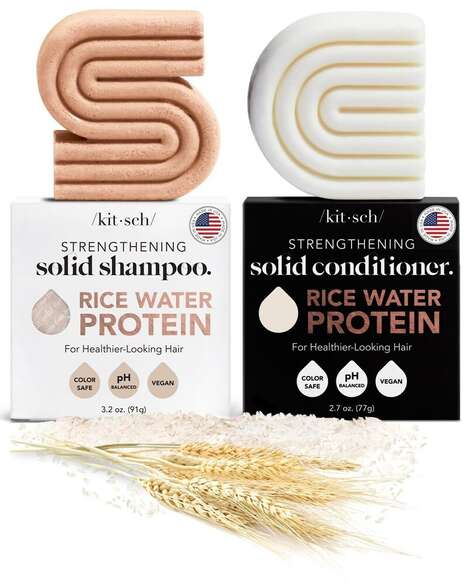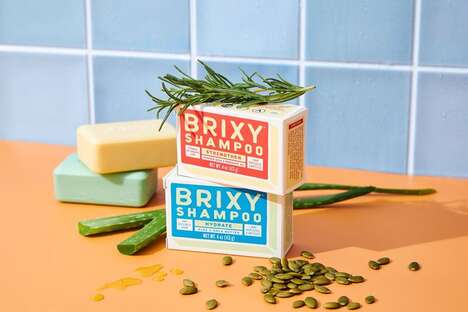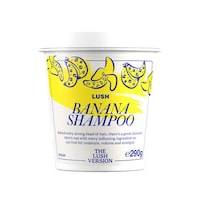
Lush Cosmetics is now adding to its range of innovative package-free bath products with four new vegan protein shampoos. While there are countless protein shampoos that are made with eggs, these ones from Lush feature aquafaba, also known as chickpea brine, which is commonly used in place of egg whites. With vegan meringues, cocktails, butter replacements and mayonnaise alternatives, consumers have gotten an introduction to aquafaba—but mostly through food products.
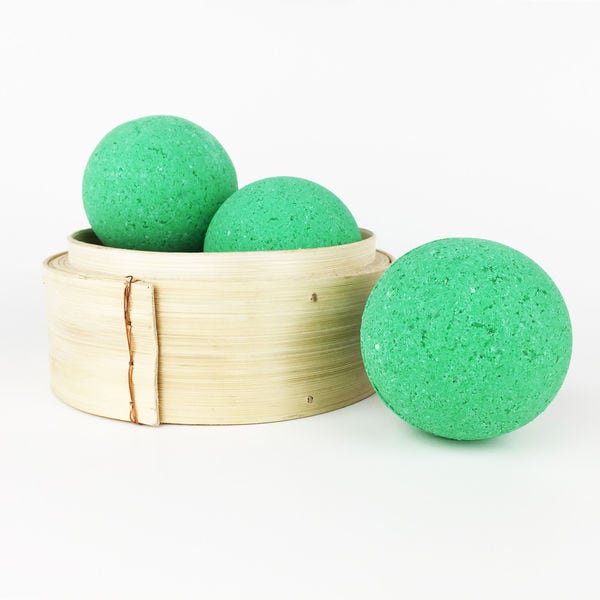
Lush's four new shampoos include Fix, Cafe, Black Stuff and Silica, each of which boasts a sponge-like form and unique ingredients to impart different benefits. While Cafe is infused with caffeine to stimulate the scalp, Fix tones blonde hair with chamomile and marigold extract.
Using these package-free soaps is as simple as lathering the bars directly onto wet hair thoroughly before washing.
Key Themes Behind This Trend
- Vegan Protein Products
- Opportunities arise for businesses to develop and market meat and dairy substitute products beyond traditional food products.
- Package-free Products
- Innovative package-free products can be developed and marketed in different industries beyond cosmetics.
- New Sources of Protein
- Companies can explore alternative sources of protein to develop healthier and more sustainable products for different industries.
Where This Applies
- Cosmetics Industry
- The cosmetics industry has the opportunity to develop more innovative, vegan and package-free products that cater to consumers needs.
- Food and Beverage Industry
- The food and beverage industry can explore alternative sources of protein for developing vegan substitutes and package-free products for a variety of consumers.
- Personal Care Industry
- The personal care industry can focus on developing package-free and vegan products that cater to consumers who are environmentally conscious and seek healthier products.