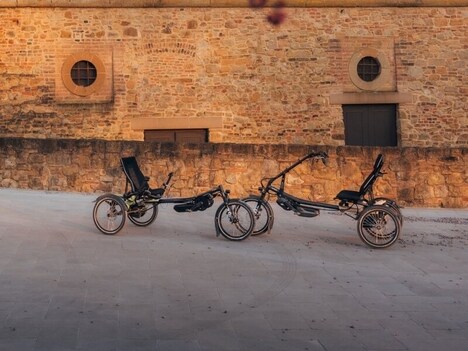
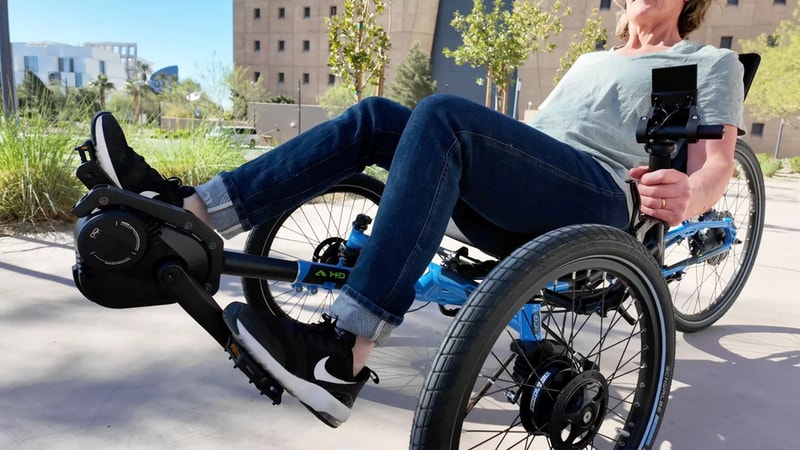
The ICE Trikes PERS Chainless recumbent bike has been introduced by the UK-based brand as a transportation solution that eliminates many of the components in a bike that can fail.
The bike is equipped with a fully electric drivetrain that has no chain, gear shifter and any other component that could potentially snap stretch or become dirt with everyday use. The bike utilizes the namesake Pedal Energy Recovery System (PERS) to translate pedal power to the 250W rear-hub motor to offer comfortable cycling no matter the conditions. Riders can enjoy five assist modes including Active, Muscular, Balanced, Punch and Dynamite to enjoy up to 400% of additional power boosting.
The ICE Trikes PERS Chainless recumbent bike is being offered in several models including the ICE Adventure, Adventure HD and the Sprint X Tour.
Image Credit: ICE Trikes
Why This Trend Is Growing
- Pedal-by-wire Drivetrains
- Electromechanical transmission of rider input to motors reduces mechanical complexity and opens space for sensor-driven customization of power delivery.
- Chainless Mobility
- By removing chains and traditional drivetrains, vehicles can achieve lower maintenance profiles and new form factors that integrate electronics and sealed systems.
- Adaptive E-assist Modes
- Multimode assistance profiles that scale torque and response introduce personalized riding experiences and data-driven tuning for different rider abilities and terrains.
Industries Being Reshaped
- Urban Micromobility
- Shared fleets and last-mile providers stand to benefit from simplified maintenance and modular electric drivetrains that increase uptime and reduce total cost of ownership.
- Bicycle Manufacturing
- Frame and component makers face opportunities to rethink structural integration as electrified, chainless systems shift the design priorities toward enclosed power units and electronics.
- Rehabilitation and Adaptive Transport
- Healthcare and mobility-aid sectors could incorporate pedal-assist recumbent platforms that enable lower-exertion exercise and accessible transportation for users with limited strength.