Category
Business
Assisted Conversion
Clothing libraries offer consumers a sustainable fashion solution.
Trend
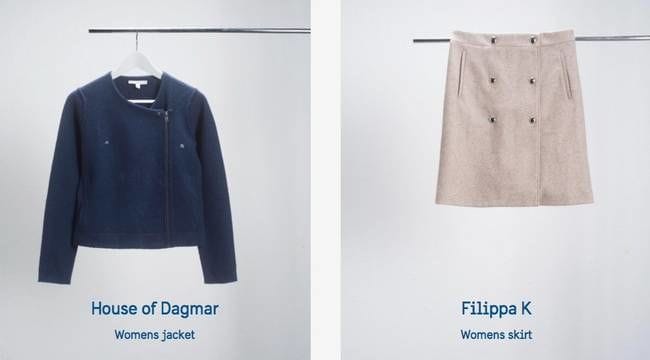
Shared Wardrobe: As consumers look for ways to live more simply, many are embracing new models of sharing and trading clothes inspired by the peer-to-peer economy. Often requiring membership and serving as a catalyst for community, such shareable fashion platforms speak to the new experience of personal style in the Instagram-era as something that's continually evolving. In addition to showcasing the far-reaching influence of the sharing economy, this shift highlights the new ways of accumulating products that extends past traditional retailer-to-consumer models.
Trend themes
The rise of the sharing economy and its emphasis on lending, borrowing, and sharing items has enticed fashion entrepreneurs to experiment with clothing rental and lending services.
The trend toward environmental sustainability and ethical fashion practices has inspired some business models for creating a more circular textile economy, such as upcycling, waste reduction, and on-demand garment rentals.
As consumers look for ways to embrace personal style through a constantly evolving fashion experience, more clothing lending and rental services are arising that allow shoppers to try new items more regularly and diversify their wardrobe without owning everything.
Industry implications
From on-demand app fashion rentals to P2P clothing lending platforms, rental-based fashion industry is growing exponentially to offer consumers budget-friendly options while also reducing fashion waste and clothing overconsumption.
The fashion industry is embracing a circular economy as a means to reduce textile waste. An opportunity exists for entrepreneurs in businesses that incentivize garment re-use, such as upcycling, textile recycling, and utilizing waste fabric materials.
With the rise of online clothing marketplaces that offer resale options, consumers are becoming more environmentally conscious. Business opportunities exist in the form of curated online marketplaces, consignment stores, and online auction networks.
Workshop question
Trend signals
Trend score 5.8 out of 10, from popularity 84%, activity 81%, freshness 8%.
Evidence
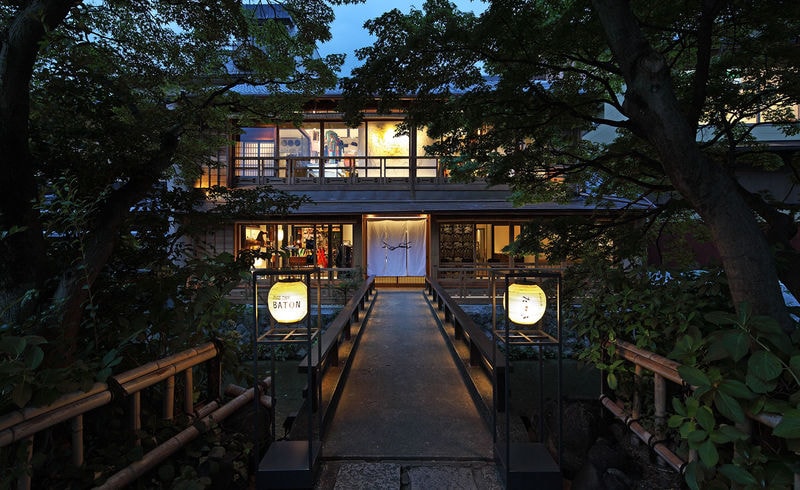
The Newly Opened 'Pass the Baton' in Kyoto Also Has a Cafe
Integrating upcycling and reclaimed fashion into stores can offer differentiation in a crowded market and appeal to consumers looking for sustainable and unique clothing options.
The Empty Shop is a Traveling Secondhand Store That Benefits Non-Profits
Disruptive innovation opportunity: Integrate upcycling and sustainable practices into the fashion industry to appeal to environmentally conscious consumers.
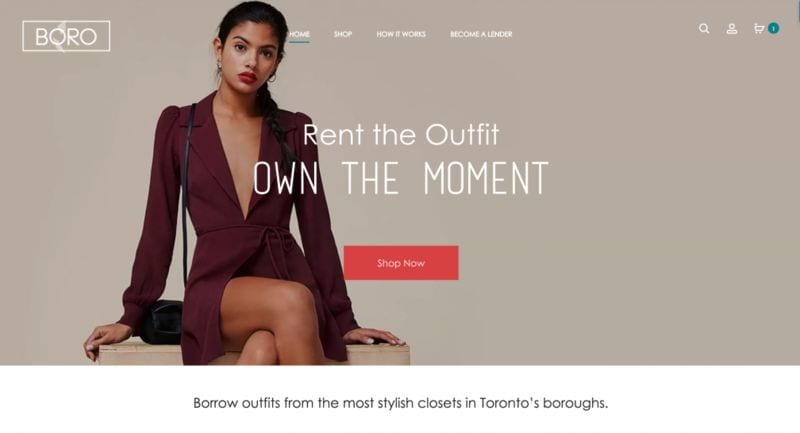
'Boro' Lets People Borrow Apparel and Accessories from Other Locals
The fashion rental industry can leverage the peer-to-peer model to offer a more extensive inventory of clothing options to customers.
The 'ShareWear' Collection is Designed to Be Shared Among Consumers
Fashion industry can explore the concept of shareable collections, offering consumers a new way to experience fashion while reducing clothing waste.
The Lena Fashion Library Allows Members to Borrow its Clothing
The fashion industry can capitalize on the rise of sustainable fashion libraries by creating similar services or incorporating sustainability into their existing business model.

'Armarium' is an App-Based Platform for Clothing Rentals
Disruptive innovation opportunity: Establish a business that specializes in renting out fashionable clothing and accessories.