



Category
Tech
Delegated Interfaces
Software developments allow consumers to organize digital memories.


Trend
Digitized Memory: As more and more information is stored online, consumers become increasingly concerned with the idea of digital preservation. As a result, software is being developed with the express purpose of collecting, storing and archiving information in a way that is easily accessible for consumers. Beyond the desire for all-in-one organizational capabilities, this progression speaks to the desire to cultivate a digital heritage or memory.
Trend themes
Development of software to collect, store and archive information in an easily accessible way.
Flexible and automatically back up files in cloud storage system.
Devices aimed at expanding smartphone capabilities with built-in battery that operate for up to five hours per charge.
Industry implications
Development of software and hardware to address digital preservation, personal cloud storage and wireless OS drives.
AI-powered photo and video management devices that automatically organize photos according to time, location and faces.
Creation of personal encrypted cloud backups to ensure cloud data security through encryption.
Workshop question
Trend signals
Trend score 3.6 out of 10, from popularity 53%, activity 49%, freshness 8%.
Evidence
The 'iLuun Air' Wireless USB Drive Works with iOS and Android Devices
Mobile technology companies can create and market wireless storage expansion devices.
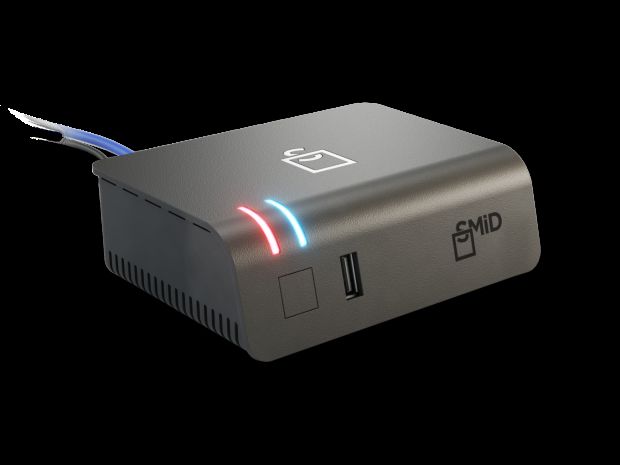
The 'SMiD Pro' Ensures Cloud Data Security Through Encryption
SMiD Pro's focus on cloud data security makes it a valuable addition to the cloud storage services industry for security-conscious consumers.
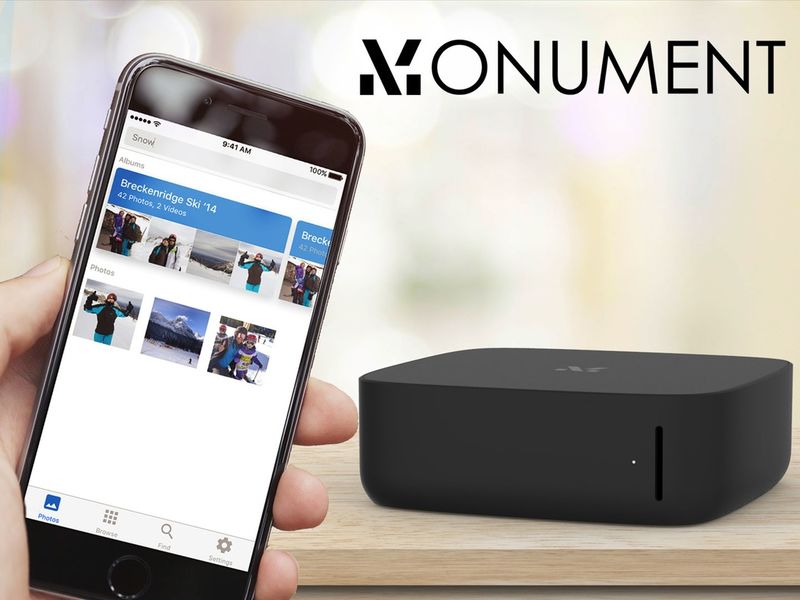
The Monument Photo Management Device is Powered by Artificial Intelligence
Disruptive innovation opportunity: Apply AI technology to improve photo management and organization systems.
The Pixel Photo and Video Album Brings Old Family Memories to Life
Smart albums can disrupt the traditional photo album market by offering unique features and benefits that attract online shoppers.
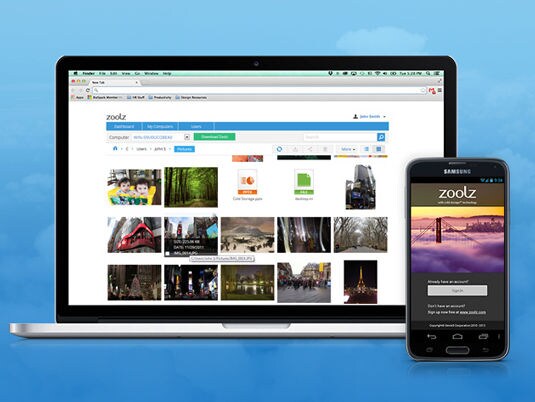
The Zoolz Cold Storage Platform Offers Large-Quantity File Backup
The cloud computing industry is being disrupted by automated cloud storage systems that offer customized and flexible storage options.

This New App Creates a Digital Scrapbook from Social Media Information
Disruptive innovation opportunity: Build advanced algorithms and technologies for efficient digital archiving.






